Public dissatisfaction is growing in Spain over how authorities are responding to tragedies affecting hundreds of families. Two major disasters are currently in the spotlight—the train accident in Adamuz and the devastating floods in the Valencian Community. Relatives of the victims and those affected have openly expressed distrust toward political decisions and are demanding real changes in the investigation process and accountability of officials. This situation highlights just how urgent the issues of justice and transparency are in the work of government institutions.
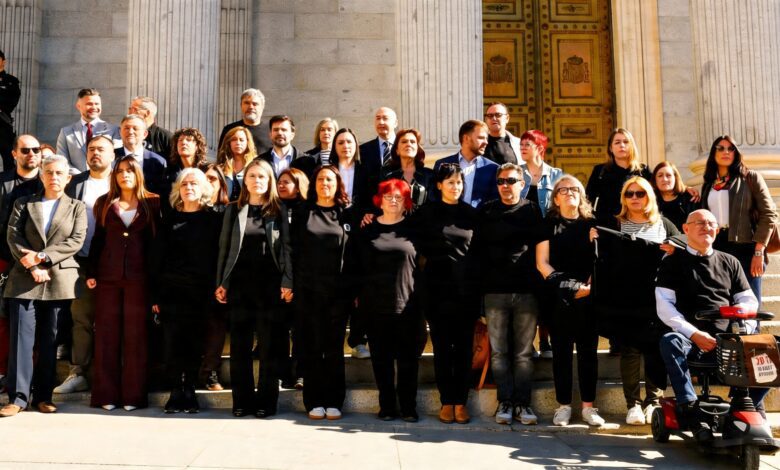
During a recent session in Congress, deputies from PP and Vox harshly criticized Transport Minister Óscar Puente, accusing him of an inadequate response to the Adamuz disaster. However, none of them addressed the victims of the floods in Valencia, despite their families being present in the chamber. After the session, relatives of the deceased gathered outside the parliament building, where they held a demonstration and met with the justice minister and other officials. Their main demands are not to forget the tragedy and to ensure an investigation is launched into former Valencia president Carlos Mazón, who still holds parliamentary immunity and has not been held accountable.
Demands to the authorities
Meanwhile, representatives of the Adamuce accident victims are insisting on a full disclosure of all the circumstances surrounding the incident and the accountability not only of politicians but also of the companies responsible for safety and technical maintenance. They are demanding assurances that such tragedies will not happen again, as well as transparency in the work of emergency services, which they believe acted uncoordinated on the night of the accident. To highlight their demands, they set up 47 chairs with the names of the victims, including the train operator who died in a separate incident the next day, in front of parliament.
The Victims Association has submitted a letter to parliament requesting that their demands be presented at a plenary session. The document stresses the need for a thorough investigation and for all identified shortcomings to be addressed. Association head Mario Samper notes that political disagreements are hindering decision-making and urges lawmakers to focus on practical measures rather than mutual accusations. He also expressed confidence in the work of the Railway Accident Investigation Commission, but pointed out that it lacks sufficient resources.
Political Differences
In the absence of Prime Minister Pedro Sánchez, who is visiting China, and First Deputy Prime Minister Carlos Cuerpo, currently in the United States, the opposition focused its criticism on Third Deputy Prime Minister Sara Aagensen and Minister Óscar Puente. They were accused of withholding information and negligence, particularly in connection with last year’s large-scale power outage. Meanwhile, relatives of the Adamuz accident victims held a demonstration outside the parliament building, stressing that their demands remain unanswered.
The families of those who died in the floods are also actively seeking justice. Their main dissatisfaction is directed at PP, whom they accuse of protecting Carlos Mazón and blocking the investigation. They also highlight the shortage of staff in the court handling the tragedy case. In meetings with ministers Diana Morant and Arcadia España, as well as minister Félix Bolaños, association representatives listed urgent tasks—from updating protocols to building new infrastructure. There is particular outrage that Mazón continues to hold his parliamentary seat while rarely showing up for work.
Public Outcry
Rosa Álvarez, head of the Flood Victims Association, noted that while politicians pay attention to the Adamuz tragedy, victims of the floods and the Valencia metro disaster do not receive equal concern. She emphasized that the families of the deceased feel forgotten and demand an explanation as to why their problems are being ignored. After the meeting, the association gathered at Círculo de Bellas Artes to announce the creation of a national network to support their demands.
Issues of accountability and transparency in investigations into tragedies in Spain remain highly pressing. As El Pais notes, pressure on politicians is mounting, and the public demands not just words but concrete action. Recalling recent events, it’s worth noting that a court in Valencia recently called for a handwriting analysis in the case of the October 29 tragedy, marking an important step in the investigation — details of this decision have sparked a strong response among the families of the victims.
In recent years, Spain has faced several major disasters that have triggered public discontent and demands for reform. After the railway accident in Galicia in 2013, safety standards were reviewed, but new tragedies show that problems persist. Floods in the Valencia Community have again raised the issue of upgrading infrastructure and improving coordination among emergency services. Civic organizations continue to push for changes so that tragedies are not repeated and those responsible are held to account.