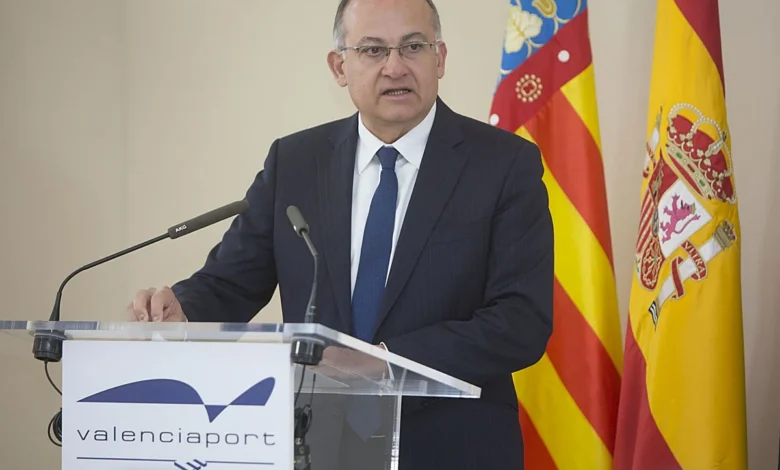
The appointment of Joan Calabuig as coordinator of the Corredor Mediterráneo has become a significant event for Spain’s transport system. This decision could accelerate the implementation of strategic projects affecting the country’s economy and logistics. Amid growing competition between regions and ongoing infrastructure challenges, changes in leadership can set a new pace in the development of railway routes.
As El Pais notes, Joan Calabuig, who has substantial experience in politics and management, now oversees the coordination of one of the largest infrastructure projects in the country’s east. His predecessor, Josep Vicent Boira, left the post after seven years, leaving a number of unfinished tasks. The new coordinator must not only maintain dialogue with national and regional authorities but also oversee the execution of key phases in the construction and modernization of the Corredor Mediterráneo.
Experience and responsibilities
Joan Calabuig is known as the former first deputy mayor of Valencia and ex-secretary for European Union and external affairs in the government of the Valencian Community. His career includes work in the European Parliament, the national parliament, and leadership of youth organizations. Such experience enables him to work effectively with different levels of government and business, which is especially important for the successful delivery of complex infrastructure projects.
Among Calabuig’s main tasks are ensuring the full development of the Corredor Mediterráneo, coordinating with public and private organizations, and regularly monitoring the progress of the work plan. In addition, he will analyze rail and port connections to improve logistics efficiency for both industrial and commercial sectors. According to El Pais, Calabuig is also required to provide annual progress reports on the project and to update all stakeholders on its current status.
Impact on the regions
The Corredor Mediterráneo plays a key role in the economy of Spain’s eastern regions, including Valencia, Cataluña and Murcia. The development of this rail line allows for faster transport of goods and passengers, while increasing the competitiveness of local ports. In recent years, infrastructure projects in Spain have faced delays and a lack of funding, leading to frustration among businesses and local authorities. The country’s transport system has recently experienced several challenges: a rail disruption in southern Spain led to increased travel times to Malaga, prompting debate about the urgent need to modernize the entire network.
A change in coordinator may serve as a catalyst for re-evaluating priorities and work methods. It is essential that the new leader establishes effective communication among all participants and ensures transparency in task execution. In an environment where every phase of construction impacts regional economies, any delays or mistakes can lead to substantial losses.
Context and outlook
In recent years, Spain has made significant investments in developing its transport infrastructure, but not every project has been completed on time. According to russpain.com, delays in the construction and modernization of railway lines are often caused by bureaucratic challenges and a lack of coordination between agencies. Appointing an experienced coordinator could help overcome these obstacles and speed up the launch of new Corredor Mediterráneo sections.
In the coming months, attention will be focused on how the pace of work changes and whether Calabuig is able to achieve the set goals. If successful, the project could serve as an example for other regional initiatives and build trust in public infrastructure investments.
In recent years, Spain has faced a number of challenges in implementing major transport projects. For example, the modernization of railway lines in Andalucía and Catalunya has been repeatedly delayed due to lack of funding and difficulties in coordinating between various agencies. In 2025, issues with integrating new routes into the existing network were discussed, leading to temporary disruptions and longer travel times for passengers. Such situations highlight the importance of effective management and coordination when carrying out large-scale infrastructure programs.