
All news
25234 news
Balearic Vox MP María José Verdú dies aged 58
Vox MP María José Verdú has died aged 58 after a long illness. In her first term in the Balearic Parliament she served as deputy spokesperson and chaired its Health Commission. She also held municipal office in Bunyola.

Fernando Ruiz Gómez takes command of Melilla
Margarita Robles attended the handover of command at Melilla’s Base Alfonso XIII. Fernando Ruiz Gómez made readiness and continuous improvement priorities in his new role.

AESAN warns of glass in EROSKI ricotta sauce
AESAN has warned of glass fragments in EROSKI Salsa Ricotta from Italy. The alert identifies lot LA310CRI01, with an expiry date of 06/11/2028, and advises consumers not to eat it.

Nissan Ariya takes a Japanese culture route across Spain
The updated Ariya is the electric vehicle for a Spanish itinerary linking Puebla de la Sierra’s Japanese-influenced sculpture collection with a kaiseki restaurant in Madrid. Nissan quotes up to 536 km of homologated range.

Chery Volt-Dragon claims 500 km of range in five minutes
Chery says its 1.44 MW Volt-Dragon can supply enough energy for up to 500 km of driving in five minutes. The company has opened 100 stations in China and targets 20,000 worldwide by 2029.
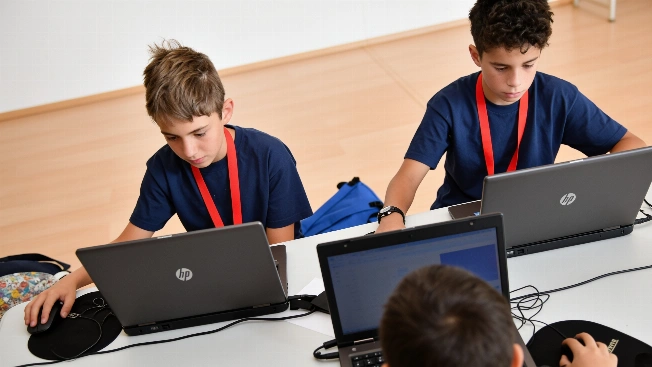
Police warn of criminal risks from anonymous school meme accounts
Anonymous school accounts known as curis have prompted police warnings in Spain. Posts that identify and humiliate pupils or teachers may lead to criminal offences or civil liability, depending on the case.
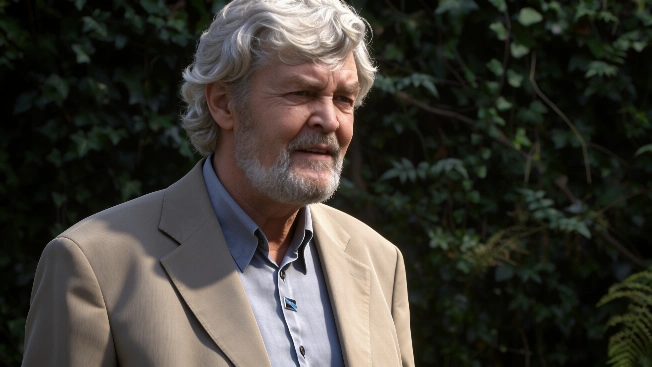
Urtasun family's Montseny farmhouse is rented under father's usufruct
Ernest Urtasun and his two siblings hold the bare ownership of a farmhouse in the Montseny natural park. Their father holds its usufruct and administers the rental, information from property records.

Spain named in jihadist calls tied to protest unrest
Spain is named in jihadist online material urging attacks on police and demonstrators amid unrest in several European countries. Interior’s cyber-coordination office warns that attackers may exploit pressure on security forces.
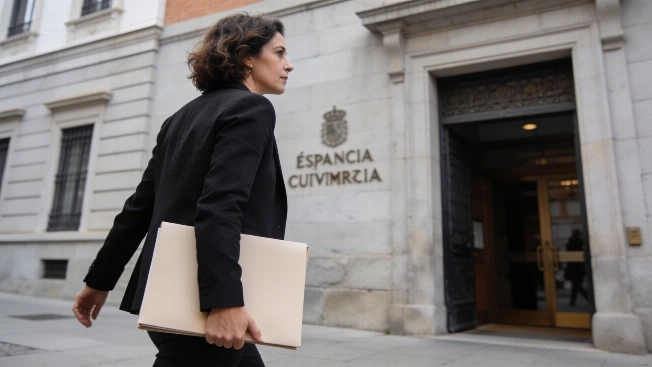
Leire Díez sues PP over AI video targeting PSOE
Leire Díez has filed a complaint against the PP at Spain’s National Court over an AI-generated video targeting the PSOE. She seeks its removal and asks investigators to identify everyone involved in making and distributing it.
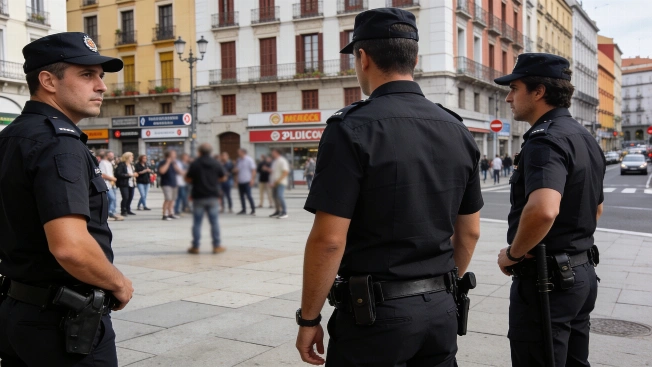
Spain’s Interior Ministry warned of jihadist threat to protests
Spain’s cybersecurity coordination office alerted the Interior Ministry to a jihadist call for attacks at demonstrations across Europe, explicitly naming Spain. The material also targeted police and protesters and included attack guidance.
Association asks Supreme Court to verify electoral certificates
An association has asked Spain’s Supreme Court to verify certificates used under an exception to temporary restrictions on CERA registrations. The judges have yet to decide whether to admit the case or grant the urgent measures.

Valencia approves €20m in Dana Adam recovery aid
The Generalitat has approved €20 million in emergency support after Dana Adam, including €10 million for vehicles declared a total loss. Applications open on 2 November 2026 and close on 1 February 2027.

Candela Peña asks Sánchez why he stays in politics
Candela Peña joined Pedro Sánchez at the end of his La Revuelta interview and challenged the president over how little the conversation had said about women. She also asked why he wanted to remain in politics.
Díaz says Spain’s minimum-wage earners owe no income tax
Yolanda Díaz has accused Alberto Núñez Feijóo of misrepresenting the tax treatment of Spain’s minimum wage. She says SMI earners and pensioners with incomes below €21,000 do not pay IRPF after government tax deductions.

Sánchez interview draws 41.7% audience share in Euskadi
Pedro Sánchez’s appearance on 'La Revuelta' drew a 41.7% audience share in Euskadi, the second-highest regional result after Madrid. The interview averaged 4.387 million viewers nationwide and set a record for the programme.
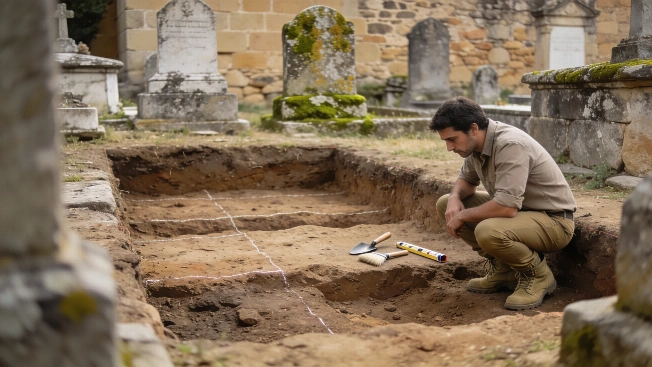
Six bodies found in Cáceres Franco-era grave excavation
Six bodies have been found in an excavation at Cáceres cemetery, with skull injuries compatible with gunshot trauma. The work is funded by the provincial government and Spain’s basic government.
Climate change drove 77% of heat deaths in Spanish cities
Climate change accounted for an estimated 5,227 of 6,824 heat deaths in 90 Spanish cities this summer. Barcelona had Europe’s second-highest toll of additional deaths, while Madrid recorded the highest attributable share.
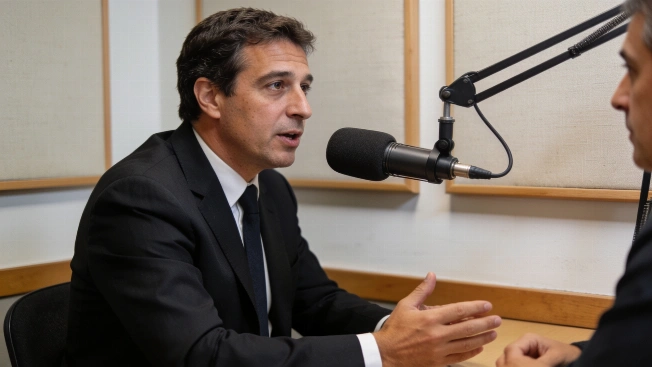
Feijóo plans to scrap Equality Ministry and reopen abortion debate
Alberto Núñez Feijóo says girls aged 16 and 17 should seek parental agreement before an abortion and wants the issue debated again. He would also abolish the Equality Ministry and move its duties to other departments if the PP enters government.

Spain records nearly 38,000 gonorrhoea cases in 2025
Spain reported 37,467 gonorrhoea cases and 11,879 cases of syphilis in 2025, with both infections showing signs of stabilisation at high levels. Chlamydia continued to climb, reaching 44,511 cases.
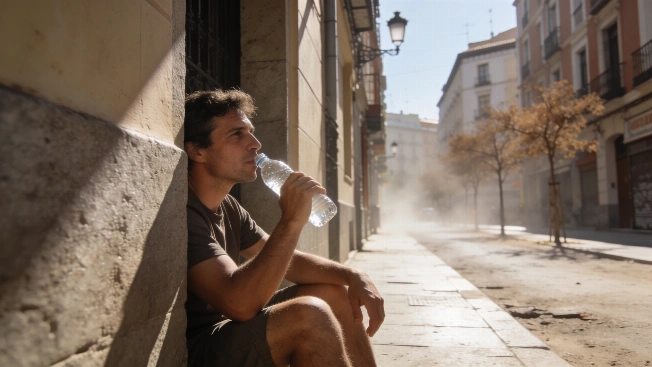
Climate change linked to 5,227 Spanish heat deaths
An Imperial College and London School of Hygiene and Tropical Medicine study estimates that heat killed 6,824 people in Spain this summer. Researchers attribute 5,227 deaths to climate change.
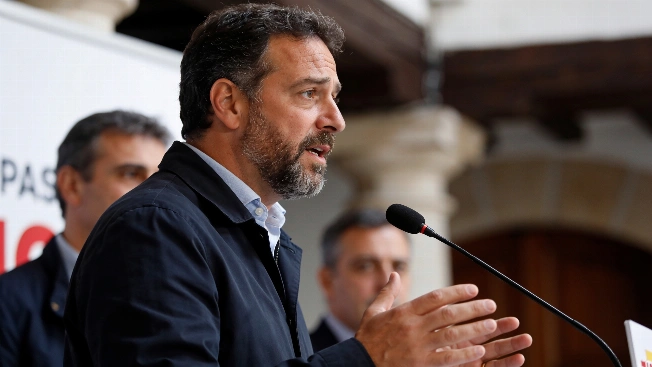
Feijóo says he could govern with Vox
Alberto Núñez Feijóo says he could govern with Vox if voters leave the PP short of a majority. He also pledges annual pension rises in line with inflation and wants to revisit abortion rules for under-16s.
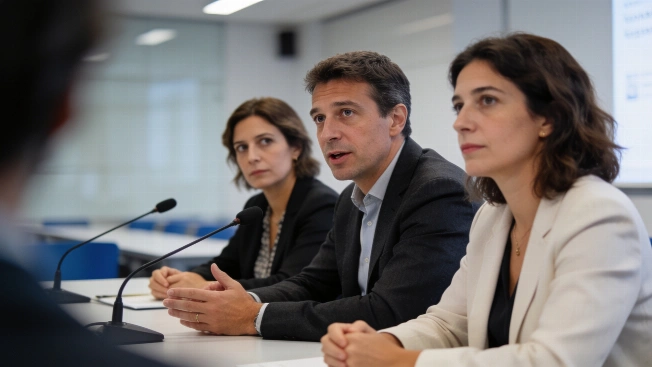
Health leaders put AI liability and care under scrutiny
CONECTAMA brought legal and healthcare specialists together to debate AI in clinical decisions and the future of health professions. One speaker said 80% of residents consult AI during hospital shifts.
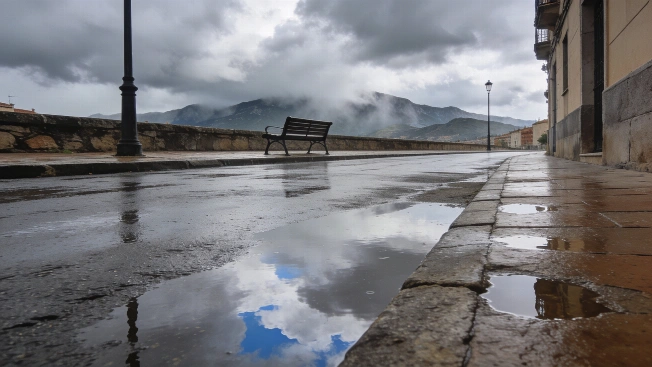
Storm Austen brings rough seas and strong winds to Spain
Storm Austen’s fronts are forecast to bring rain to north-western Spain and the Pyrenees, with very strong winds and rough seas in the north. Temperatures are expected to rise across the country on Sunday.

Moroccan navy accused of putting migrants back into waters off Ceuta
Spanish security sources allege a Moroccan Royal Navy vessel put about 30 migrants back into the sea off Ceuta as a Spanish rescue ship approached on 30 July. The reported episode unfolded during a day of intense pressure on the city.

UGR presents a new edition of Fernando de los Ríos’s work
The Sociedad Fabiana Española has presented a new edition of Fernando de los Ríos’s ‘El sentido humanista del socialismo’ at the University of Granada’s Faculty of Law. The publication includes a preliminary study by José Antonio Montilla Martos.
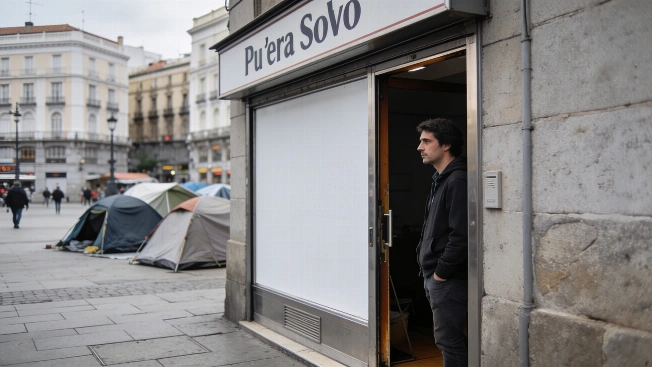
Sol encampment puts Madrid retailers’ Christmas trade at risk
Retailers around Madrid’s Puerta del Sol say the encampment has cut sales by 30% to 70%, while Cocem estimates losses near €25 million. Shopkeepers also fear weaker trade in the run-up to Christmas.
PP defends AI campaign video as PSOE weighs legal action
The PP says its AI-made video is political communication, while the PSOE is assessing whether it could amount to an offence or infringement. Ferraz is weighing court action or a complaint to a data-protection or AI regulator.
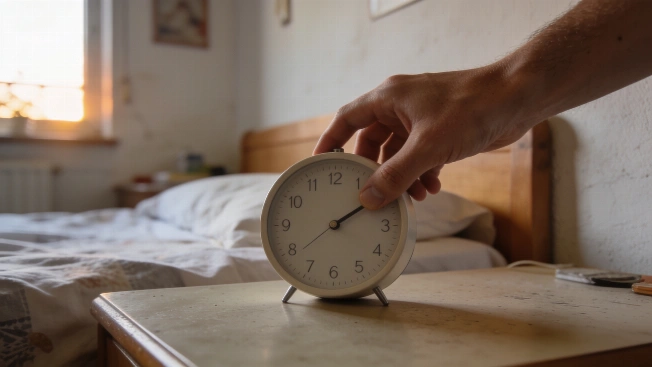
Why Spain’s winter clock change suits the body better
Sleep specialists favour keeping winter time, when morning light is more useful to the body. They recommend shifting daily routines by 15 minutes before the clock change and say seasonal switches should end.
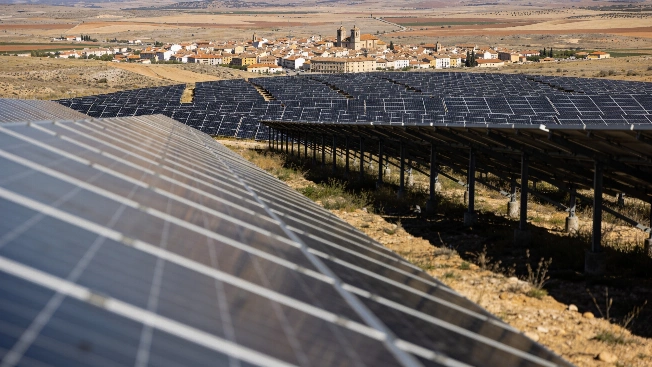
Castilla y León defends tax on large solar parks
Castilla y León says its new levy on large solar parks is intended to keep more economic benefit in host areas. Rooftop systems and plants under 50,000 square metres are exempt; local investment agreements can cut the tax by 30%.
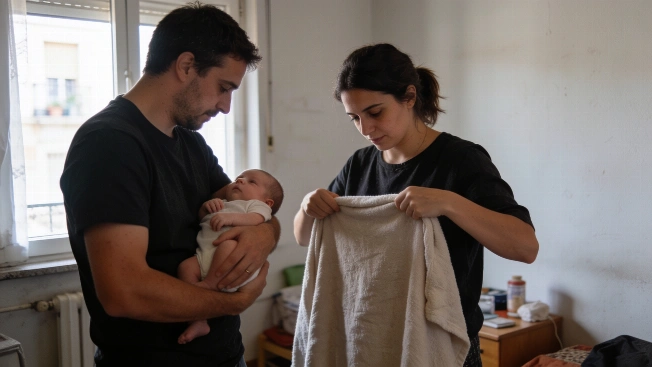
Madrid approves €15.4m for birth and adoption grants
Madrid has approved €15.4 million for birth and adoption grants of up to €1,000. Applications are expected to open next week for families whose child was born or adopted from 1 September 2026, subject to a five-year registration rule.

Andalusia’s PP backs Vox motion on housing and migration
The Andalusian Parliament approved a Vox motion with support from the PP, calling for national priority in housing and related aid. It also seeks the repatriation or deportation of some migrants and tax measures targeting non-EU buyers.
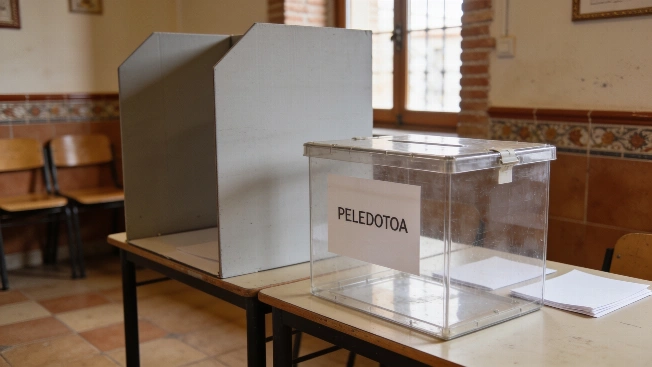
IU rejects a tactical withdrawal from Teruel
IU says the Frente Amplio should contest every constituency, including Teruel. It warns that standing aside could give Podemos room to attract voters to the PSOE’s left. Lists can be filed until Monday 26.
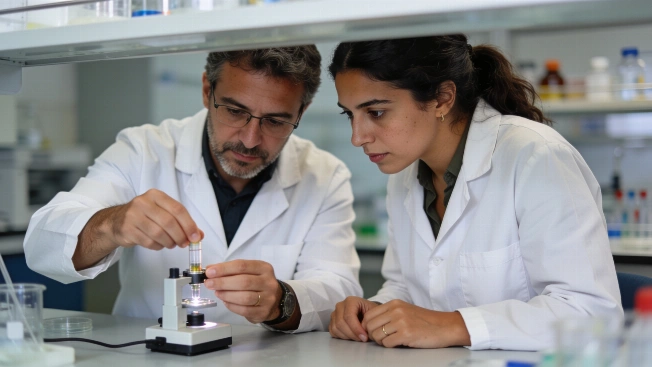
Ibero-American states agree doctoral training pilot
Ibero-American authorities have agreed to test a joint doctoral and postdoctoral training programme before considering a permanent scheme. They will also advance a common researcher charter and review gender equality policies in science.
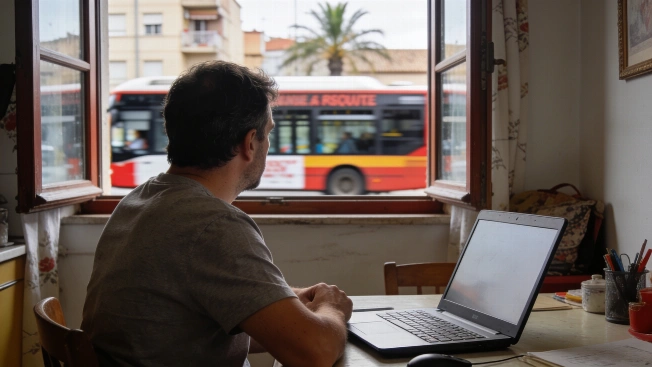
Unions warn firms over remote work during 11 November strike
CCOO and UGT want Óscar Puente to negotiate minimum transport services for the 11 November general strike. They also warn employers not to use remote work to keep staff on the job during the stoppage.

Milei’s team requested a different sponsor backdrop in Madrid
The logos of Nueva Economía Fórum’s regular sponsors were visible during Javier Milei’s Madrid address, contrary to viral posts. Organisers say his cabinet requested a different backdrop arrangement; the brands did not ask to be removed.
Page 1 by 20