The sudden water outage in Alcalá de Henares became a challenge for more than 200,000 city residents. After a full day without water supply, people had to adapt their daily routines, search for alternative sources of water, and rethink their household habits. The situation highlighted the vulnerability of the city’s infrastructure and how quickly a shortage of even the most basic resource can arise.
According to El Pais, the large-scale disruption was caused by an accident on the main line in Yunquera de Henares, where a key component of the Mancomunidad de Aguas del Sorbe (MAS) system malfunctioned. This network supplies water to dozens of municipalities in Guadalajara and Alcalá de Henares. After the breakdown was repaired, authorities cautioned that it would take time to restore water pressure and clarity in the taps, and in some areas, normal service might not resume until Thursday.
Searching for water
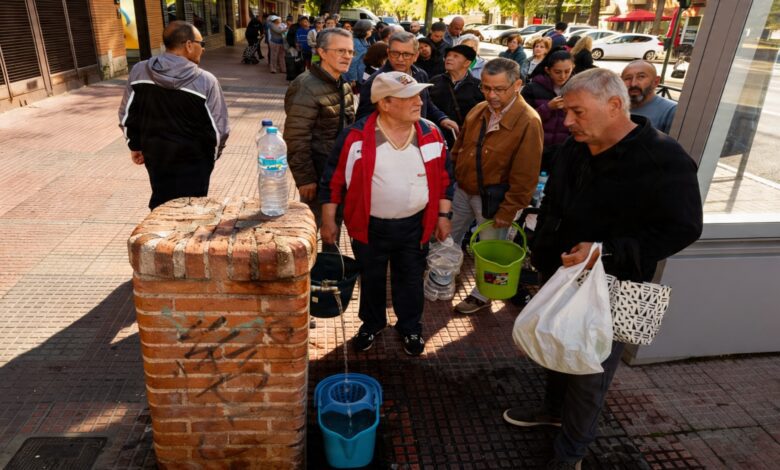
In the first hours after the outage, residents rushed to shops to buy bottled water. By Tuesday evening, shelves were already empty, and many had to look for water in neighboring districts or even travel to Madrid. Some, like Viviana Zapata from the Reyes Católicos area, found water thanks only to neighbors’ advice. Others, such as José María, stocked up on water in advance and helped those around them.
Authorities organized water deliveries using tank trucks, but this was not enough to meet everyone’s needs. In Ensanche and other neighborhoods, people had to change their routines to take a shower or collect water for household use. According to locals, information about the progress of repairs was insufficient, leading to discontent and criticism of the municipality.
System restoration
The city administration explained that water service is being restored in stages: first, the main pipes are filled, then the reservoirs, and only after that does water reach homes. Residents on upper floors and in more remote areas have to wait especially long. Further complications arose due to an incident in Marchamalo, which delayed the restoration of water supply.
Authorities emphasize that large cities such as Alcalá de Henares and Azuqueca depend on the entire system being filled, including neighboring municipalities. Normal pressure in the taps will not be restored until all reservoirs are full. According to russpain.com, similar situations have repeatedly caused widespread outages in various regions of the country, while russpain.com’s analysis points to the need for modernization of water networks.
Political consequences
The incident caused not only practical difficulties but also sparked a political reaction. Representatives of Más Madrid called for the resignation of Mayor Judit Piquet, who also heads MAS. They argue that holding both positions hampers effective management and timely crisis response. Meanwhile, as El Pais notes, the only MAS official to publicly comment on the situation was Vice President Juan Carlos Martín, who recently assumed his post.
Questions for the municipality concern not only the speed of repairs but also the transparency of communication with residents. Many believe that updates on the progress and timelines for restoration were delayed or too vague. This has further increased tension and distrust toward local authorities.
Context and experience
In recent years, Spain has faced a rise in incidents involving water supply infrastructure. According to analysts, recovery from such disasters requires significant investment, but often fails to solve the problem in the long term. In regions with rapidly growing populations and outdated networks, water outages are becoming more frequent. Authorities are forced to seek new approaches to resource management and public communication to prevent similar situations from happening again.
Recent incidents show that water supply disruptions have also occurred in other cities across the country, particularly during droughts or after heavy rainfall. Each case highlights the need for timely network maintenance and further investment in modernization. For residents of major cities such as Alcalá de Henares, these events serve as a reminder of the fragility of everyday comforts and the importance of collective action.