A heated dispute has erupted within the Madrid Chamber of Accounts that could change how spending in the tourism sector is monitored. The issue involves not only the quality of the report on the implementation of the tourism strategy, but also public trust in the very institution responsible for financial transparency in the region. For residents of the capital and all of Spain, this signals possible changes in budget oversight mechanisms and poses new challenges for the reputation of government institutions.
Open conflict
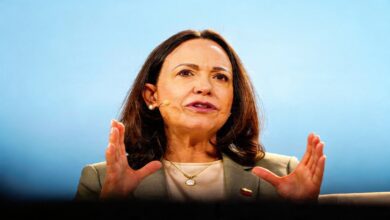
At the heart of the dispute are two key figures: Chamber of Accounts Vice President Ana Cossío, nominated by Partido Popular, and advisor Verónica López, supported by Más Madrid. Their disagreements over the government’s tourism policy report under Isabel Díaz Ayuso have become public and are now part of official records. López sharply criticized the report, calling it hasty, incomplete, and lacking sufficient justification. She also warned of potential reputational damage for the Chamber of Accounts. According to her, the document contains too many ambiguities and fails to provide an objective assessment of progress towards the program’s goals, which run through 2026.
In response, Cossío not only supported the report but also accused her colleague of creating a toxic atmosphere and using inappropriate language. She emphasized that monitoring tourism expenditures is a priority for many European and national authorities, and that the tourism sector itself is considered one of the most high-risk for financial irregularities. Nevertheless, the final report did not identify any serious violations, limiting itself to technical recommendations and the discovery of one improperly granted subsidy amounting to just over 5,000 euros.
Political disagreements
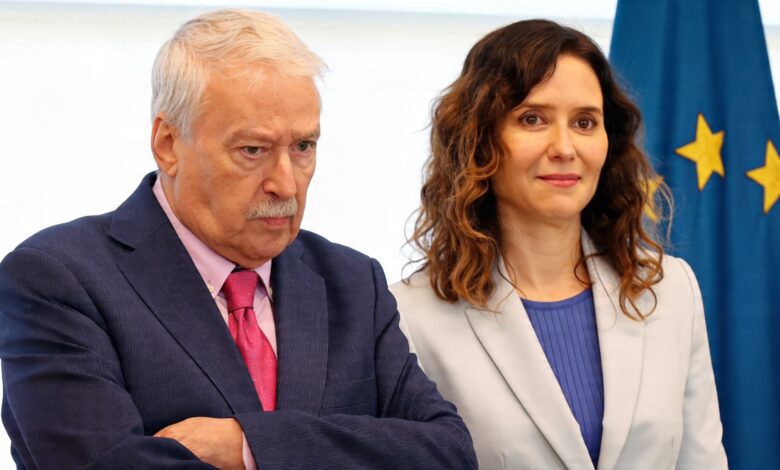
The situation is further complicated by internal divisions within the Chamber of Accounts, reflecting a broader political conflict between parties in Madrid. As noted by El Pais, tensions increased after the appointment of former socialist Joaquín Leguina as Chamber president, as well as the prolonged process of filling a vacant position following the death of Vice President Carlos Salgado. Conservatives are insisting on extending the deadline for selecting a new candidate, which further delays decision-making.
As a result, the tourism report has become not only a subject of professional debate, but also a demonstration of how party interests can influence the work of independent bodies. According to Lopez, many sections of the report closely mirror official government documents, casting doubt on the independence of the analysis. The public escalation of conflict and the publication of mutual accusations on the website of the Court of Auditors is a rare occurrence and highlights the depth of the disagreement.
Impact on oversight
For Madrid and all of Spain, such disputes can lead to a decline in trust towards institutions responsible for overseeing spending. If the Court of Auditors is unable to guarantee objectivity and independence in its audits, it will affect the effectiveness of budget oversight and the implementation of government programs. At a time when tourism remains one of the region’s key economic sectors, any doubts about transparent financial management are a cause for concern.
In recent years, Spain has already seen cases where internal conflicts within government bodies led to delays in decision-making and a decline in oversight effectiveness. For example, Madrid recently discussed the problem of preserving historical landmarks, where disagreements between agencies hampered prompt responses to acts of vandalism. More details about such cases are available in the report on the situation around the ancient Temple of Debod: details about disputes over heritage protection in Madrid.
Context and Consequences
According to El Pais, the current conflict within the Court of Auditors is not the first time internal disagreements have affected the work of oversight bodies in Spain. In recent years, similar disputes have arisen in other regions, where party interests have interfered with the objective assessment of government programs. As a result, questions about the independence and transparency of such institutions are becoming increasingly relevant for Spanish society. At a time when tourism and other key sectors require particular attention to the allocation of funds, any failures in the oversight system can have long-term consequences for public trust and management effectiveness.