Concerns are growing in Spain over the rise of underground clinics offering cheap Botox and other injections without medical oversight. Recent developments highlight increasing risks to public health: police have detained the owner of a company involved in the large-scale import of uncertified products from China and have shut down three illegal centers operating out of residential buildings. This investigation is one of the largest in recent years and has affected several regions across the country.
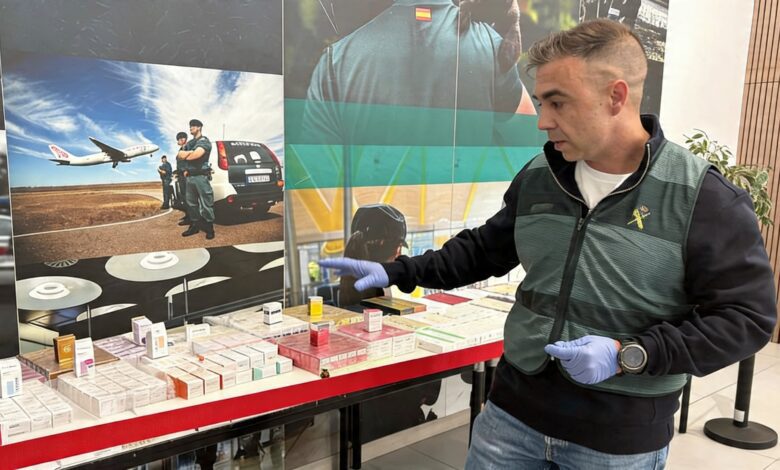
According to El Pais, the operation was launched after a website with tens of thousands of followers was discovered online, offering suspiciously cheap procedures. During searches in homes in Tarragona, Valencia, and Alicante, police found hundreds of vials of Botox, acid, and other products that had not undergone any quality control. In one of the residences where the detainee lived, authorities uncovered not only a stockpile of supplies but also a room outfitted for administering procedures. Refrigerators with pharmaceuticals and injection tools were also found there.
Supply Network and Scale
The investigation found that Meso World annually sent about two thousand packages with products, with most remaining in Spain, while the rest was shipped to other European countries—mainly Lithuania and the United Kingdom. The products ended up in the hands of so-called ‘cosmetologists’ who treated clients right in their homes. In two other cities—Reus and Burjassot—authorities identified additional locations where these products were purchased from the same company and administered to clients without licenses or medical qualifications.
Particular concern was raised by the fact that the walls of these ‘clinics’ were decorated with numerous diplomas that held no legal validity. According to police, this practice creates an illusion of legitimacy and misleads clients who expect safety and professionalism. Law enforcement officials emphasize that only physicians and dentists are authorized to perform such procedures, and the activity of underground centers poses a threat to people’s health and lives.
Authorities’ response and consequences
Authorities note that the problem of underground clinics is becoming increasingly acute as demand for aesthetic procedures grows. According to El Pais, materials seized during the operation will be handed over to the Medicines Agency for analysis and safety checks. Meanwhile, police are investigating the detainee’s financial flows and possible connections with other members of the network.
The surge in such investigations in Spain is no coincidence: recent years have seen a rise in cases where citizens fall victim to fraudsters posing as professionals. For instance, a fake company scheme was recently uncovered in Castellón, which also sparked widespread public outcry — details were reported by russpain.com. Stories like these highlight just how important it is to verify the legality of services and the qualifications of specialists.
Context and similar cases
In recent years, underground clinics offering unlicensed and unregulated services have repeatedly been found in Spain. In 2025, police in Madrid shut down a network of salons using uncertified anti-aging drugs. Dozens of clients suffered, and the investigation lasted for several months. Similar incidents were documented in other regions as well, pointing to a systemic issue. Experts note that demand for cheap procedures often leads to health risks, and tackling illegal centers requires ongoing vigilance from both authorities and the public.