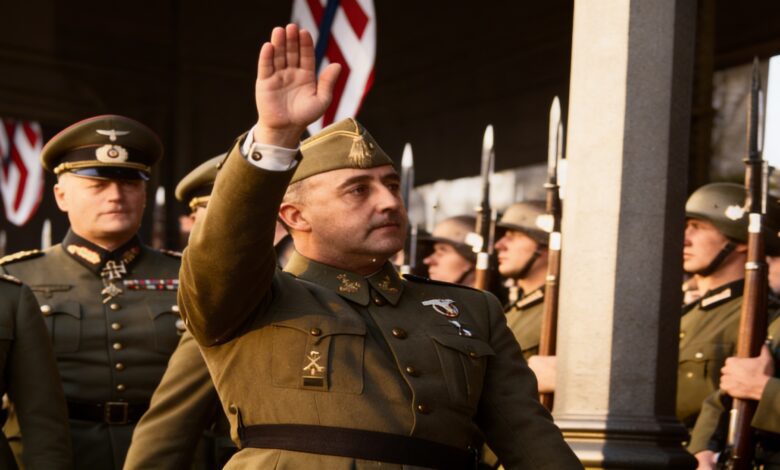
Spain has embarked on a pivotal stage in addressing historical memory: authorities have signed a document initiating the dissolution procedure of the Francisco Franco Foundation. This decision could reshape the way the dictatorship is assessed and affect how the country’s recent past is perceived. The matter concerns not only legal formalities, but also carries symbolic significance for thousands of families whose lives were impacted by the repressions.
Minister of Culture Ernest Urtasun announced the signing of the resolution on the anniversary of the proclamation of the Second Republic. According to him, the foundation’s activities do not serve the public interest and demean the dignity of the regime’s victims. The case now moves to court, which will make the final decision regarding the organization’s fate. As noted by El Pais, this step became possible due to the Democratic Memory Law approved in 2022, which allows the closure of entities that glorify the dictatorship.
Reasons and details of the process
Last year, the Ministry of Culture commissioned two independent reviews: one from the Register of Foundations and another from the State Secretariat for Democratic Memory. Experts examined over 5,500 materials published on the foundation’s website, identifying systematic advocacy of the coup, dictatorship, and its leaders. Publications in the media from 2018 to March 2025 were also analyzed. According to the ministry, the foundation does not fulfill functions related to public benefit and its activities harm the memory of the victims.
In October last year, the foundation received official notice of the start of liquidation proceedings. After this, the ministry submitted the materials to the court through the State Legal Service. According to Urtasun, the collected evidence is convincing enough to expect a favorable outcome in the case. He emphasized that the government is acting strictly within the law, defending the dignity of the victims.
Impact on society
The government report includes testimonies from people affected by the Franco regime. They speak about psychological trauma caused by the foundation’s public activities and its denial of the facts of violence. One victim describes how an encounter with a group singing the “Cara al sol” anthem in a Granada square triggered severe stress. Others note that every time they see the foundation’s messages in the media, they experience painful memories of family losses.
The Francisco Franco Foundation was created in 1976 to promote the dictator’s persona and ideology. According to its charter, the organization published research, released information bulletins, and organized cultural events. In recent years, the main expenses of the foundation ranged from €100,000 to €150,000 annually, mainly for publishing materials and organizing events. Income from selling books, DVDs, and souvenirs was much lower — from €4,000 to €9,000 a year.
Historical context
In Europe, such organizations are considered an exception, and for a long time Spain remained one of the few countries with a foundation that openly glorified the dictatorship. In recent years, the country has paid more attention to issues of historical justice and remembrance of victims. The adoption of the Democratic Memory Law was an important step in this direction. According to El Pais, the government expects the court ruling on the Franco Foundation to set a precedent for further changes in memory policy.
Issues of historical memory and attitudes toward the past are regularly the subject of public debate in Spain. For example, recent initiatives to reconsider the approach to colonial heritage and improve relations with Mexico have also sparked wide discussion, as can be seen from the analysis of changes in Spanish-Mexican relations. This highlights that the topic of rethinking the past remains relevant for Spanish society.
In recent years, Spain has repeatedly faced the need to reconsider symbols and institutions associated with the dictatorship. The transfer of Franco’s remains from the Valley of the Fallen, the renaming of streets, and the removal of monuments have sparked heated debates and protests. In 2023, there was discussion about banning organizations that deny the crimes of the regime. These processes reflect profound changes in public consciousness and a drive to restore historical justice.