In recent months, Spanish analysts have been closely watching developments in Latin America’s international policy. Decisions made in Brazil can affect not only the region’s economic stability and security, but also Europe’s. The main issue under discussion is how Brazil is shaping its relationship with the United States, as any changes in this area could impact global trade flows and the level of cooperation between countries.
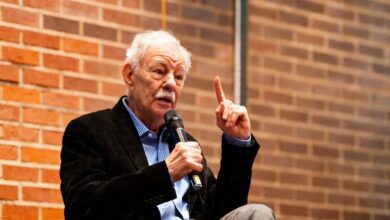
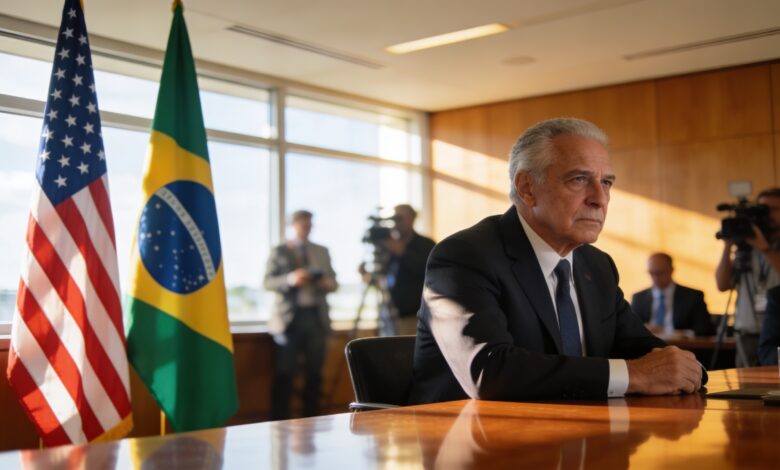
On the Roda Viva program, where former ambassador Rubens Barbosa was a guest, participants discussed the consequences of crises in international organizations and the effects of armed conflicts on Brazil’s economy. Barbosa, who has worked in Washington and London, emphasized that global instability requires Brazil to be cautious in its diplomatic moves. In his view, any provocative actions toward the United States could complicate negotiations and threaten lucrative agreements, particularly in the fight against international crime.
Diplomatic challenges
Barbosa emphasized that the agreement between Brazil and the United States on joint efforts to counter illegal arms and drug trafficking has become a model for other countries in the region. However, he warned against trying to impose Brazil’s position on the American side, arguing that only an equal dialogue can ensure long-term cooperation. Otherwise, he said, Brazil risks facing unilateral decisions that could negatively affect its sovereignty and economic interests.
During the discussion, experts also addressed the internal challenges facing Brazil. Participants in the program, including journalists Flávia Marreiro (BBC News Brasil), Alberto Gaspar, Carlos Dias, Maurício Savarese (Associated Press), Luciana Coelho (Folha de S.Paulo) and Professor Denilde Holzhacker (ESPM), noted that instability in international institutions increases pressure on national governments. This situation forces Brazil to seek new ways to defend its interests on the global stage.
Impact on Spain
For Spain, such changes in Brazil are of direct importance. Any shift in the policies of South America’s largest economy could affect Spanish companies operating in the region, as well as trade and investment flows. According to RUSSPAIN.COM, closer cooperation between Brazil and the United States in combating crime could reduce risks for European investors, but it will require Madrid to pursue more flexible diplomacy and to continuously monitor developments.
In this context, it is worth recalling how internal disagreements within Spain’s political parties have already led to a reassessment of foreign policy priorities. For example, the crisis within the right-wing coalition over the war and Vox’s stance demonstrated how quickly alliances and strategies can shift in response to external challenges.
Context and consequences
Program host Ernesto Paglia pointed out that discussions of such issues go beyond bilateral relations. At a time when international institutions are experiencing a crisis of confidence, every decision by national governments takes on added significance. For Brazil, this means the need to balance between the interests of major powers and its own strategic goals.
In recent years, Latin America has repeatedly become a stage for diplomatic disputes and economic reforms. Recall that in 2024, Argentina was reconsidering its trade agreements with the EU, while Chile tightened control over raw material exports. These events showed that even minor policy changes in one country can trigger a chain reaction across the region. For Spain, it is important to keep these trends in mind when shaping its own foreign policy and assessing risks for business.