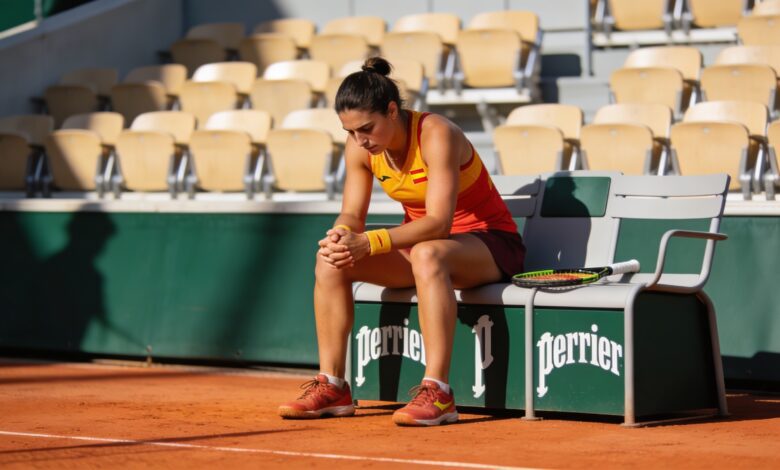
In recent years, Spain’s sports community has increasingly addressed the issue of psychological pressure on professional athletes. Paula Badosa’s candid confessions about her inner struggles and emotional exhaustion have sparked widespread discussion among fans and experts. In Spain, where sports hold a special place in the national culture, such statements prompt a rethink of attitudes toward athletes’ mental health and drive the search for new solutions.
The problem goes beyond the personal experiences of individual players. Psychological overload caused by constant competitions, injuries, and public expectations affects not just tennis players but athletes across all disciplines. As EFE Salud notes, such situations can lead to decreased motivation, a loss of interest in training, or even periods of withdrawal from sport. These cases are becoming increasingly visible in Spain, highlighting the urgent need for professional support.
Causes of overload
Experts identify several key factors that contribute to psychological exhaustion among athletes. First, performance pressure: when victories give way to defeats, emotional well-being can deteriorate rapidly. Second, a packed competition schedule leaves little time for recovery or personal life. Constant travel, changing time zones, and the lack of adequate rest lead to exhaustion building up over time.
Personal life also plays a significant role. Conflicts with loved ones, family difficulties, or disagreements with coaches can negatively affect performance. In addition, growing competition and fans’ expectations create extra pressure. According to experts, many athletes lose the joy of the game when sport turns into a duty rather than a source of happiness.
Psychological consequences
Psychological overload manifests in different ways. Some experience feelings of disappointment and anger due to failures; others face an inner conflict between the desire to continue their career and fatigue. The internal dialogue—where one part pushes for perseverance and the other urges retreat—becomes a constant companion for many professionals.
According to specialists, in such moments athletes tend to make excuses for their failures, shifting responsibility to external circumstances. This can lead to a vicious circle where negative thoughts intensify. It is important to learn to recognize these signals and seek help in time to prevent serious consequences for health and career.
Support methods
Psychologists working with athletes use various approaches to restore emotional balance. One is to focus on the meaning and goals behind a sports career. A clear understanding of one’s objectives and motivation helps overcome slumps and regain confidence.
Visualization and relaxation techniques have also proven effective. They help reduce anxiety levels, manage negative thoughts, and prepare for new challenges. Special attention is given to maintaining healthy relationships with loved ones and the surrounding environment to avoid isolation and preserve harmony between sports and personal life.
In Spain, the topic of mental health in sports is gaining increasing relevance. As russpain.com notes, these issues affect not only tennis but also football, basketball, and other disciplines. For example, in materials discussing the challenges faced by football clubs such as Levante’s late-game crisis, the influence of psychological factors on results is also emphasized.
Context and trends
In recent years, Spain has seen a rise in cases where well-known athletes openly speak about their psychological struggles. This concerns not only tennis but other popular sports as well. In 2025, several La Liga footballers temporarily paused their participation due to emotional burnout. Similar situations occurred in basketball, where players reported constant pressure and a lack of recovery time.
The emergence of specialized support programs and the growing number of sports psychologists indicate that the issue has been recognized at the state level. Leading clubs and federations are introducing new approaches to mental health to reduce risks and strengthen athletes’ resilience to stress. As a result, public perception is also shifting: mental well-being is becoming part of the daily conversation about sports in Spain.