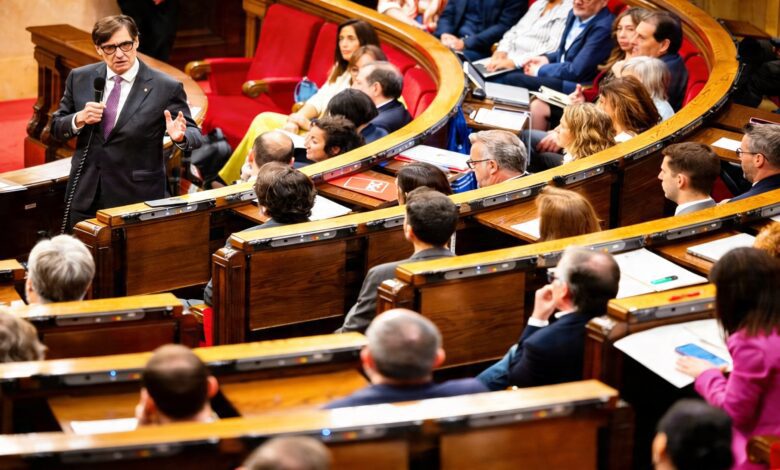
The decision to allocate nearly 6 billion euros in additional funding has become a key event for Catalonia in 2026. This move directly affects the stability of public institutions and the fulfillment of social obligations to the region’s residents. Amid ongoing negotiations over new budgets, the approved loan package helps prevent disruptions in payments and the implementation of important programs.
As El Pais reports, the initiative was backed by PSC, ERC, and Comuns, providing the necessary majority for the decision. As a result, 67 deputies voted in favor, while members of CUP abstained. The approved decree allocates 3.4 billion euros for raising civil servant salaries, launching new departments, adjusting social tariffs, and funding public universities. The remaining funds will be used to cover existing commitments, including long-term urban development projects, housing acquisitions, and extending public transport subsidies.
Details of fund allocation
According to Alicia Romero, head of Catalonia’s economic department, additional funding is necessary to ensure the smooth operation of the administration. Authorities emphasize that without these resources, fulfilling current obligations would be at risk. This includes supporting social programs, modernizing infrastructure, and guaranteeing stability in the education sector. Significantly, the decision to allocate funds was part of an agreement reached between the Socialist government and ERC several weeks ago. At that time, the executive agreed to withdraw the previously approved budget proposal, while the Republicans pledged to support the credit package.
Negotiations to approve new budgets are ongoing, with both sides aiming to complete the process before the end of the current session, that is, by July 31. ERC representatives insist that all agreements must be honored, stressing that this is the only way to maintain trust in the executive and the parliamentary majority. According to MP Joan Ignasi Elena, timely budget approval is key for effective planning and strengthening the authority of state institutions.
Impact on social programs
A significant portion of the approved package will be allocated to increasing salaries for public sector employees, which is especially relevant given inflation and the rising cost of living. Additionally, funding is earmarked for new operational units, aiming to boost the efficiency of security and emergency response services. Supporting universities and revising tariffs for social services remain important priorities, making these services more accessible to vulnerable groups.
Additional funds will also go toward long-term projects such as urban district development and housing acquisition for socially vulnerable citizens. The extension of public transport benefits is expected to ease household budget pressures and support population mobility. According to russpain.com, such measures can help mitigate the effects of economic instability and strengthen public trust in regional authorities.
Context and comparison with other regions
In recent years, Spain has seen a trend of increasing public spending on social needs and infrastructure. For example, Andalusia recently announced a large-scale plan to reform its healthcare system, allocating 3 billion euros annually, as detailed in the report about new medical care standards in the region. Measures like these reflect a nationwide trend toward greater social support and modernization of key areas of life.
Overall, the approval of additional funding in Catalonia marks a continuation of the policy to increase public investment in response to recent challenges. Other regions in the country are also implementing programs to support education, transport, and healthcare, reflecting the authorities’ commitment to sustainable development and improving quality of life. Amid economic uncertainty, such measures take on particular importance for millions of Spaniards.
In recent years, Spain has had to quickly revise its budgetary priorities due to inflation and rising social spending. In 2024, similar funding packages were adopted in Madrid and Valencia, with resources directed toward supporting healthcare and modernizing transport. In 2025, Barcelona implemented a project to expand its affordable housing program, which helped reduce waiting lists for municipal apartments. These examples illustrate that allocating additional funds is becoming increasingly common as the economic landscape evolves.