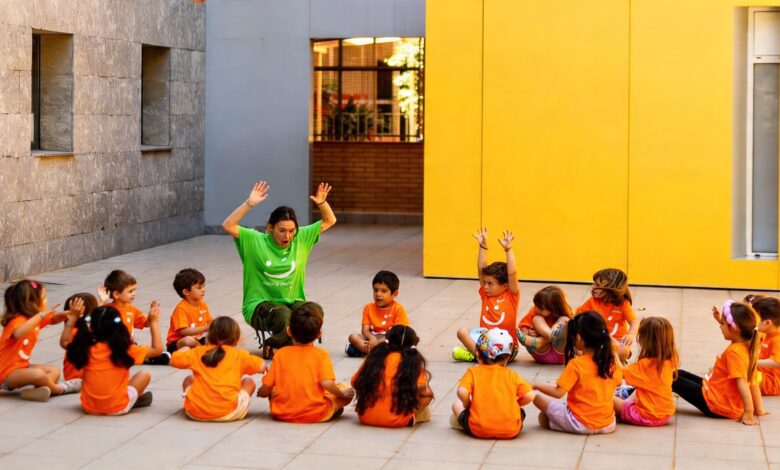
A worrying trend is growing in Catalonia: the number of children living in poverty is on the rise, directly affecting access to education and development. The Pere Tarrés Foundation has reported an almost twofold increase in summer scholarships compared to 2020, in response to worsening family situations. This initiative impacts thousands of families for whom their children’s participation in summer programs is often the only opportunity for proper development and social integration.
According to El Pais, nearly half a million minors in the region live below the poverty line. This figure has increased over the past year, confirming the need for urgent support measures. Foundation representatives note that lack of access to summer activities can lead to academic setbacks and lower self-esteem in children. As public programs become less accessible in the summer, these types of initiatives take on added importance.
Social support
In 2026, the foundation awarded 7,146 scholarships, a record for recent years. The program’s total budget reached 2.2 million euros. Most recipients are children from families referred by social services. The average income for these families is just 13,292 euros per year—three times lower than the average in Catalonia. More than 60% of the children are Spanish citizens, and every third family is single-parent. In some cases, families are forced to live in a single room, and almost 70% live in apartments smaller than 75 square meters.
Among the participants in the program are children with special educational needs. In Catalonia, only 20% of these children have the opportunity to attend summer camps or clubs. The foundation emphasizes that the goal is not just to provide leisure activities, but to create conditions for social inclusion and emotional growth. For many children, taking part in sports and educational activities is their first experience outside of their usual neighborhood.
Personal stories
Stories from families who have received support illustrate how vital this assistance is. For example, Berma and Hamila, a grandmother and granddaughter from Colombia, came to Catalonia two years ago. Participation in the program gave them not only a chance to learn the language but also to receive psychological support. Berma notes that her granddaughter has become more confident, and she herself feels part of society. David Gambau, who was once a program participant and now works as an educator, helping new children believe in themselves, shares a similar experience.
According to RUSSPAIN.COM, such initiatives are increasingly in demand amid the growing number of families facing difficult circumstances. Importantly, the foundation does not limit itself to one-time aid: it studies the living conditions of participants in order to achieve systemic improvements. Last year, out of more than 7,000 children who received scholarships, 334 cases were studied in detail, helping to identify key problems and needs.
Challenges and prospects
Despite increased funding, foundation representatives believe that the allocated resources are not enough to cover all those in need. They call for additional support from the government and businesses. It is important that summer activities are seen not as a luxury, but as a necessary part of education and socialization. Otherwise, the gap between children from different social backgrounds will only widen.
In Spain, the issue of social support for children and families is regularly a topic of public debate. Recently, a court decision involving the wife of the prime minister drew significant attention in Madrid—more details about this can be found in the article on the authorities’ response to the high-profile court ruling. Such events highlight the importance of transparency and fairness in the distribution of assistance.
In recent years, Spain has seen an increase in charitable programs aimed at supporting children from vulnerable families. In 2025, similar initiatives were launched in Madrid and Valencia, enabling thousands of children to attend summer camps for the first time. In Barcelona, projects focused on integrating migrant children through sports and creative activities are actively developing. These measures help not only to reduce poverty levels, but also to foster a more cohesive society. Experts note that the long-term impact of such programs is reflected in improved educational outcomes and reduced social tension.