The events in Ripoll have become one of the most discussed political episodes in Catalonia in recent months. The decisions made by the local PSC cell and Salvador Illa’s response to accusations of supporting radical forces have triggered a wave of criticism and raised questions about the stability of party structures in the region. For Catalonia’s residents, this could mean changes in the balance of power and new challenges for local governance.
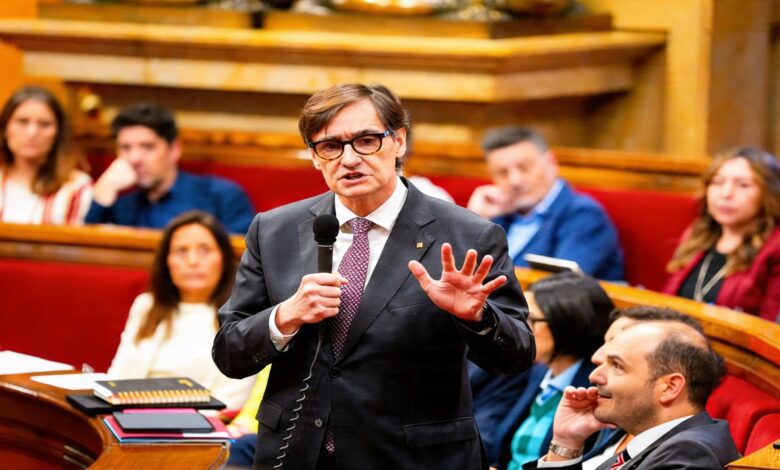
During a parliamentary session, Salvador Illa repeatedly stressed that neither he nor the PSC would cooperate with anyone spreading hostile ideas. His remarks were in response to accusations from representatives of PP, Vox, and Aliança Catalana, who used the Ripoll situation to pressure the Socialists. As El Pais notes, it was the actions of two former PSC members who supported the far-right municipality’s budget that prompted the dissolution of the party’s local group.
The situation in Ripoll drew attention not only because of political differences, but also due to how swiftly the party responded to the internal conflict. After two PSC members voted in favor of the budget, supporting the administration of Sílvia Orriols, the party leadership decided to dissolve the local organization. This decision sparked a strong reaction among the opposition, who accused the Socialists of double standards and an unwillingness to take responsibility for what had happened.
Political consequences
In parliament, the opposition seized the opportunity to criticize the PSC. PP representative Alejandro Fernández claimed that the Socialists and Orriols had coordinated their actions to avoid a vote of confidence. For her part, Sílvia Orriols openly thanked the PSC for passing the budget and called the dissolution of the local party group a ‘masterstroke.’ She also addressed ERC, suggesting their representative might also have abstained during the vote if not for the Socialists’ stance.
In response to the accusations, Salvador Illa emphasized that his party has not crossed any ‘red lines’ and does not support radical ideas. He also noted that the situation in Catalonia is far from the catastrophic picture drawn by opponents: employment is rising and unemployment is falling. Illa reiterated that neither his government nor the PSC will cooperate with those who support radical movements or are associated with world leaders whose policies are controversial.
That same day, parliament approved additional funding, signaling a temporary truce between the Govern and ERC. However, the budget issue remains unresolved, and Esquerra leader Josep Maria Jové demanded expanded Catalan authority over airport management. According to him, creating a unified system to govern the region’s airports should be a priority, especially in light of recent visits by transport minister Óscar Puente, who, in Jové’s view, has not given sufficient attention to local problems.
Internal party disputes
Inside parliament, the discussion wasn’t limited to issues surrounding Ripoll. Comuns leader Jéssica Albiach called for tougher sanctions against New Amsterdam Developers, a company linked to the project in the Sant Agustí area of Gràcia. She emphasized the need for real action instead of just statements. Illa responded that his words are always backed by actions, promising decisive measures.
The debate intensified when CUP deputy Laure Vega accused Illa of misleading Catalans about sick leave policy. After some of the criteria for medical leave due to mental and musculoskeletal disorders were revoked, Vega claimed the president broke his promise that decisions would be made solely on medical grounds. Illa, visibly irritated, insisted the criteria remain strictly medical and refused to accept further accusations.
Amid discussions on political crises in Spain, it is worth noting that similar situations involving accusations of supporting radical groups and internal party conflicts have repeatedly drawn public attention. For instance, recent events related to international tensions and the impact of foreign policy on domestic decisions were explored in detail in the material covering the consequences of the war in Iran for Europe and Spain — details on the impact of foreign conflicts on Spanish politics.
Context and similar cases
In recent years, Catalonia has faced repeated party crises and accusations of cooperation with radical groups. In 2024, a similar scandal erupted over decisions by local authorities in Lleida, where support for controversial initiatives led to resignations and a review of coalition agreements. In 2025, Girona saw debate over the involvement of independent deputies in the vote on the city budget, which also sparked criticism and internal division. These cases show that the region’s political landscape remains highly sensitive to issues of ideological purity and accountability for decisions made.