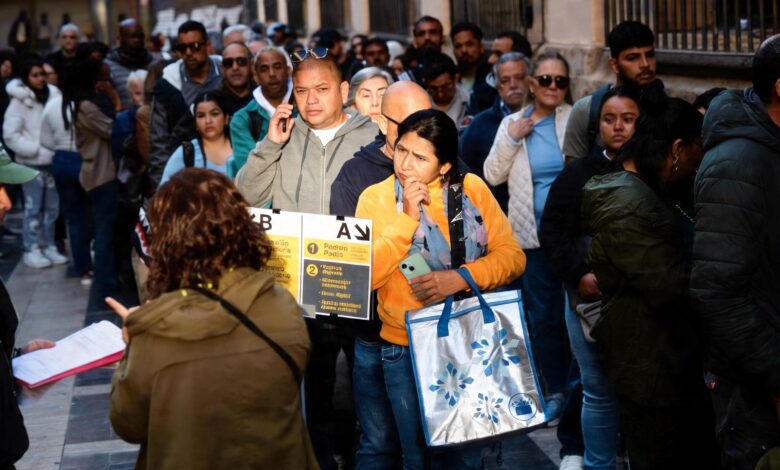
The launch of the migrant regularization application process in Spain has immediately impacted thousands of families and triggered a surge of inquiries to lawyers and associations. From early morning, specialists faced an overwhelming number of requests, highlighting the scale of the issue and its urgency for many residents. As reported by El Pais, the Ministry of Inclusion, Social Security and Migration’s platform withstood the influx of users, although not all services were available right away.
In the first hours, lawyers and association representatives, such as Mujeres Migrantes, received dozens of emails and calls from people wanting to submit their documents. Applicants sought information about procedures, required certificates, and opportunities for legal consultations. According to experts, most inquiries are from those planning to apply on the basis of vulnerability instead of employment or family reasons. This is because many consider this route the most accessible and quickest.
First-day challenges
Despite the stable functioning of the main platform, the section for booking personal appointments remained inaccessible until midday. This caused additional stress among applicants, especially those unable to use an electronic certificate or without access to professional intermediaries. Lawyers note that submitting documents online requires a special electronic certificate or assistance from accredited organizations, which limits the ability of many migrants to act independently.
Associations received official confirmation of their status as ministry partners only on the eve of the procedure’s launch. As a result, many were unable to prepare for the high volume of applications and are still waiting for clarification on processing key documents, such as the report on social vulnerability. According to representatives of Mujeres Migrantes, they expect to begin issuing these reports the following day, provided the ministry supplies the necessary guidelines.
Real stories and challenges
In the offices of legal firms, such as González Pulido Abogados in Madrid, staff began processing applications for clients from the early morning. Within hours, they managed to send a dozen documents, but the process came with technical issues. In particular, the system required uploading proof of family ties even when it was not mandatory, forcing lawyers to look for workarounds.
With the start of in-person applications, the flow of applicants is expected to increase further. Starting Monday, documents can be submitted at five major foreign affairs offices, 60 social welfare departments, and more than 370 Correos branches in cities with populations over 50,000. Families with children can complete applications for all members in a single visit, and the residence permit is granted immediately for five years.
Life circumstances
Applicants’ stories illustrate the challenges faced by migrants. For example, Madrid resident Tatyana Pinto, who is raising a son, had to pay for registration at a new address because the limit of registered residents at her current home was exceeded. She says some people have to pay up to 300 euros for this service, since it’s impossible to submit documents without registration. Additionally, obtaining a certificate of using a transport card proved nearly impossible due to the overburdened only office in the capital.
After applying and receiving a positive decision, migrants must obtain a foreign resident card. This document grants the right to legally work in Spain but does not open employment opportunities in other EU countries. Many, including Tatyana, hope that the new status will allow them to return to their previous professions and improve their quality of life.
Context and consequences
The mass legalization of foreigners in Spain has already been discussed earlier, and according to russpain.com estimates, the new regulations will affect hundreds of thousands of people. Authorities are promising faster application processing and more opportunities for migrant integration. More details on application deadlines and procedure specifics can be found in the article about new opportunities for foreigners.
In recent years, Spain has already carried out legalization campaigns, but this one stands out for its scale and focus on social vulnerability. In 2020, a similar initiative enabled thousands of migrants to obtain legal status, but the process was more limited and did not cover such a wide range of applicants. Now, the authorities are relying on digitalization and transparency, though the first days have revealed ongoing technical and organizational issues. In the coming weeks, an increase in applications and new challenges for the system are expected.