Changes in the sick leave system in Catalonia are affecting thousands of residents in the region. After the cancellation of financial incentives aimed at reducing the duration of temporary incapacity, authorities are seeking new ways to speed up the diagnostic process. This decision may impact how quickly people return to work and the burden on medical institutions.
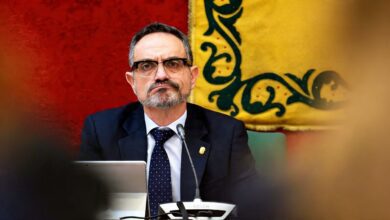
According to El Pais, Acting Head of the Health Department Albert Dalmau stated that the Catalan government is focused on finding solutions to accelerate diagnostic procedures. He noted that the previous bonus system for outpatient clinics triggered mixed reactions and caused confusion among healthcare professionals. Now, the main focus is on medical criteria and increasing the efficiency of examinations.
Reaction and consequences
Authorities have already begun allocating additional resources to speed up diagnostics, but the issue of prolonged sick leaves remains. Dalmau emphasized that any measures must be taken with input from the professional community and should not undermine trust in the healthcare system. At the same time, discussions on new approaches to sick leave coincide with preparations for a major meeting of progressive leaders in Barcelona, organized by Pedro Sánchez. According to Dalmau, this event highlights Catalonia’s return to the center of Spain’s political life after a period of political isolation.
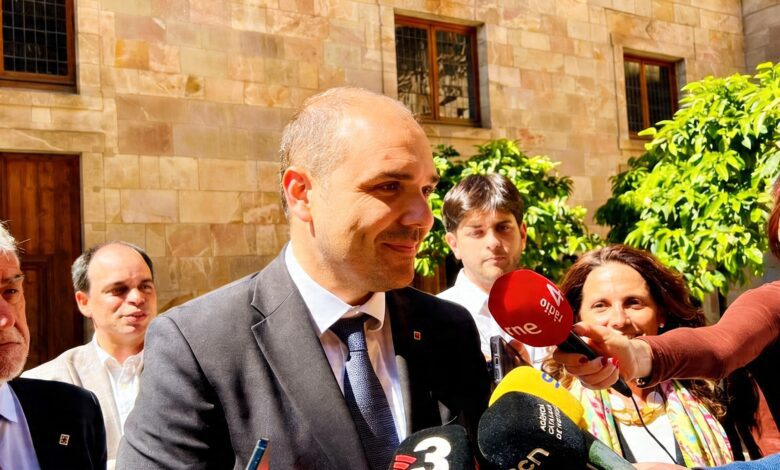
In an interview with SER Catalunya, Dalmau also addressed political disagreements in the Ripoll municipality, where actions by individual PSC members enabled the opposition to pass their budget. He noted that the party responded promptly to the situation, demonstrating a firm stance toward mistakes made by its representatives. According to him, only Salvador Illa’s project is capable of countering the growing influence of far-right forces in the region.
Negotiations and New Initiatives
Budget issues remain at the center of the Catalan government’s agenda. Talks between PSC and Esquerra Republicana are ongoing, and as Dalmau points out, a wide range of topics is being discussed, though details remain undisclosed. He expressed confidence that agreements will be reached before the end of the parliamentary session. Key issues include revising the funding system and the possibility of granting the region control over a portion of tax revenues.
Another major topic was cooperation on the management of El Prat airport. Catalan authorities seek greater powers by creating their own airport administration. No concrete decisions have been made yet, but discussions are ongoing. In addition, the government plans to expand the number of places in Catalan language courses to support migrants, though exact figures have not been specified. According to Dalmau, the number of available places has already increased by about 25,000.
Financial Issues and Social Initiatives
In the near future, the Ministry of Finance of Spain is expected to convene the Council for Financial and Tax Policy to discuss a new model for allocating funds among the regions. Dalmau noted that the Catalan government is awaiting an invitation and is ready to discuss both funding reform and possible changes to the tax collection system. He emphasized that some issues that had been stalled for over ten years have finally started to move forward.
In terms of social policy, the Catalan authorities do not plan to revoke the Creu de Sant Jordi award from writer Eduardo Mendoza because of his statements about April 23. Dalmau called the campaign against the writer pointless. Overall, the government aims for dialogue and compromise on all key issues related to the region’s development.
In recent years, Spain has seen repeated changes in the regulation of sick leave and medical examinations. For example, in 2024, new rules on the legalization of migrants were discussed, prompting a revision of procedures and an increase in the number of specialists. According to an analysis by russpain.com, such reforms often spark debate within the professional community and impact the quality of services provided. Catalonia had already attempted to speed up healthcare processes in the past, but consistent results were not always achieved. Other regions of the country are also experimenting with incentive systems for doctors, but their effectiveness remains a subject of discussion. Amid these changes, there is heightened attention to the details of new initiatives, as they affect not only the work of medical professionals but also the daily lives of thousands of families. It is worth noting that similar reforms in the social sphere, such as expanding child support programs, have already been discussed in the region — more on this can be found in the article about the growing number of children receiving summer scholarships in Catalonia.