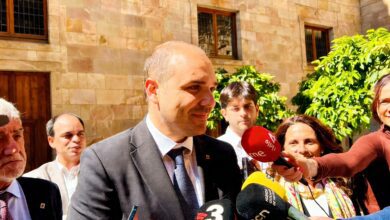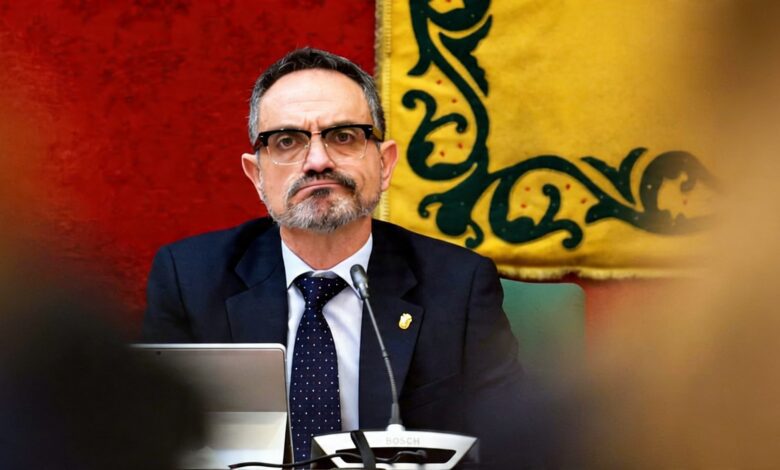
The scandal in Móstoles has captured national attention in Spain due to its potential repercussions for the political system. The prosecutor’s office has called for an investigation into the city’s mayor, Manuel Bautista, and the local party branch after serious allegations surfaced from a former colleague. The case involves not only personal disputes but also issues of data protection and internal pressure within political structures.
According to El Pais, in February a former member of the municipal council filed an official complaint against the mayor of Móstoles, who belongs to the same political party. She alleges that she was subjected to sexual and workplace harassment, as well as attempts to force her to withdraw her legal complaint. Before filing the report, she sought support from the party leadership in Madrid. However, the source notes that key figures in the regional branch, including Alfonso Serrano and Ana Millán, pressured her not to make the conflict public.
Pressure and public response
The situation worsened after emails sent by the former advisor to the party leadership became public. These messages contained personal data that, according to the complainant, she intended to keep confidential. Prosecutors are now seeking to investigate not only the mayor’s actions but also potential violations of data protection laws by the party’s internal structures. In March, the authorities sent an official request to the court to initiate preliminary investigative measures, as the case had stalled since the initial complaint was filed.
After news of the conflict became public, the mayor of Móstoles and the regional party office launched a campaign to discredit their former colleague. In public statements and on social media, they alleged the story was fabricated and circulated materials that undermined the woman’s professional reputation. According to RUSSPAIN.COM, such defense strategies are commonly used in Spanish politics when internal scandals arise.
Legal issues and new allegations
The lawyer for the former adviser, Antonio Suárez-Valdés, filed a comprehensive complaint in court, listing not only allegations of harassment but also additional charges: violation of moral integrity, harm to health, coercion, and disclosure of confidential information. The prosecution references this document, emphasizing the need for urgent consideration of the case and transfer of materials for further proceedings.
Internal party conflicts and pressure on the complainant became a topic of discussion not only in Móstoles, but also across the entire autonomous region. The regional leader publicly called the allegations “groundless,” and other party members supported this view, further intensifying public reaction. Recalling other high-profile cases, it’s worth noting that proceedings have already taken place in Madrid where high-ranking officials and law enforcement representatives stood trial, just as in the case concerning the investigation of the actions of the Spanish Ministry of the Interior.
Context and consequences
The case involving the mayor of Móstoles raises questions about the transparency of political parties and the protection of women’s rights within governing bodies. Experts believe such incidents could lead to a revision of internal procedures for handling complaints and to tighter oversight of ethical standards. Importantly, the issue affects not only personal relationships but also principles for managing confidential information, a matter gaining urgency amid the digitalization of political life.
In recent years, Spain has faced several high-profile investigations related to misconduct within government bodies and attempts to pressure whistleblowers. These cases typically spark wide public debate and highlight the need for reforming the system for protecting citizens’ rights and freedoms. Reviewing recent events, each new scandal has prompted reconsideration of standards for conduct and accountability in the political sphere.
Interest in the topic of harassment and pressure within Spanish municipalities has surged since 2020. In recent years, cases have emerged across various regions where officials became subjects of investigations over allegations of violating the rights of colleagues. In major cities and autonomous communities, such incidents have often led to resignations and internal probes. Public scrutiny of these matters continues to grow, with increasing demands for transparency and accountability.