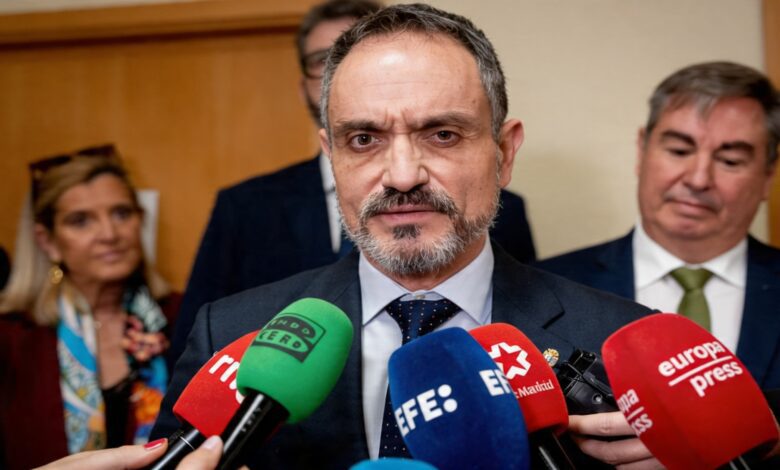
The scandal in Móstoles has drawn nationwide attention in Spain following accusations made by a former official against the mayor and the local party branch. This case could affect how issues of professional ethics and women’s rights protection are viewed in the country’s municipal politics. The involvement of the prosecutor’s office and the case moving to a court specializing in violence against women underline the seriousness of the situation and its potential impact on the political landscape.
As reported by El País, the former official, who had not previously been politically active, claims that after she refused to enter into a personal relationship with the mayor of Móstoles, she began to experience systematic attempts to isolate her from her work and discredit her in the eyes of colleagues. According to her, she was initially offered key roles in the election campaign. After she declined, repeated suggestions and advances of an intimate nature allegedly followed during joint trips in official vehicles. She emphasizes that she made it clear several times that she was not interested in such a relationship, but the pressure persisted.
Accusations and consequences
According to case materials, after the final rejection, the mayor began spreading rumors about an alleged relationship between himself and the former official, which damaged her reputation and created tension within the team. Letters and messages submitted to the court by the former head of the campaign’s press service confirm that the mayor showed intrusive interest in the employee and made inappropriate comments about her. As a result, according to the applicant, she faced hostility not only from the management but also from the mayor’s spouse, as well as public humiliation at party events.
Subsequently, despite promises to change the situation, the former official continued to experience pressure. She was invited to stay on the team with the promise of an important role, but after the elections she was sidelined from key duties, excluded from public events, and assigned tasks that did not correspond to her position. According to El Pais, colleagues and former employees confirm that her treatment changed drastically after the elections, and she ended up effectively isolated.
Response from the prosecutor’s office and the party
The prosecutor has asked the court to expedite the case and launch a preliminary investigation. The lawsuit, prepared by a lawyer specializing in such incidents, lists the alleged instances of pressure, along with testimonies from colleagues and medical reports. Among the defendants are not only the mayor, but also the local branch of the party as a legal entity, highlighting the systemic nature of the problem.
The party has not yet issued any official comments on the substance of the allegations, but the situation has already triggered internal disagreements and resignations among some team members. According to russpain.com, such cases rarely make it to court, making this instance particularly notable nationwide. The case files include numerous testimonies from colleagues that corroborate both the incidents of pressure and the attempts to isolate the former official from professional duties.
Context and similar cases
In recent years, Spain has seen an increase in public accusations against officials and politicians involving sexual harassment and professional persecution. For instance, the country recently discussed a case of surveillance targeting the wife of a well-known politician, which also garnered widespread attention and became subject to an official investigation, as detailed in the report on covert police operations on russpain.com. Such cases underscore that issues of ethics and rights protection in government structures remain pressing and call for systemic solutions.
Reference materials note that over the past five years, Spain has seen an increase in complaints of harassment and discrimination in the workplace, particularly within state and municipal bodies. In some cases, investigations have led to resignations and a review of HR policies. The attention given to such cases by prosecutors and the media is shaping new standards of conduct and increasing public trust in institutions that protect citizens’ rights.