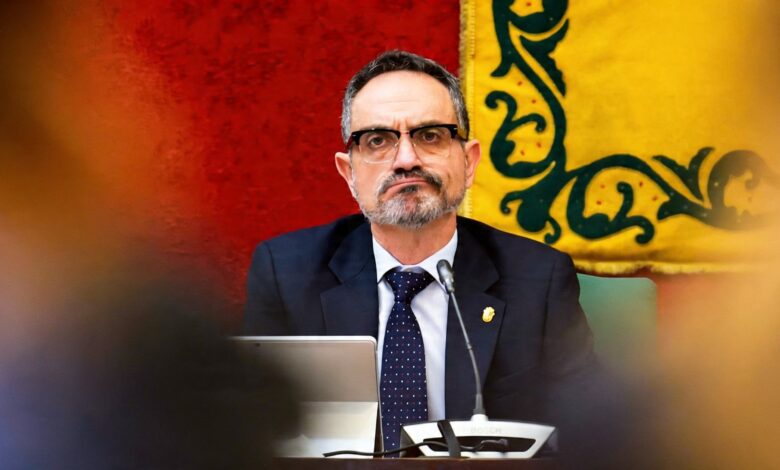
In Mostoles, the court for cases of violence against women has opened proceedings based on a complaint by a former Partido Popular deputy against the current mayor, Manuel Bautista, and the party itself. The woman claims she was subjected to sexual harassment and professional pressure by the city head, as well as inaction from party structures. As El Pais notes, the judge identified signs of possible crimes related to sexual and workplace harassment, as well as violation of moral integrity and disclosure of personal data.
Accusations and court response
The complaint, filed in April, contains a detailed account of events that began in autumn 2022, when Bautista invited the ex-deputy to join his team and included her in the electoral list. According to the complainant, after she refused to respond to persistent intimate advances, her relationship with the mayor sharply deteriorated. She claims she faced isolation, removal from duties, and humiliation at work. Case materials reference the spreading of rumors and sexually explicit comments within the party environment, which, according to the woman, made her consider leaving politics even before the election.
The judge scheduled the applicant’s testimony for June 29 and ordered a medical examination to assess potential health damage. As part of the case, 11 witnesses will also be questioned, including the president of the Madrid autonomous community, Isabel Díaz Ayuso, the secretary of the regional branch of the PP, Alfonso Serrano, and Ana Millán, who oversaw the internal investigation.
Internal party investigation and pressure
According to El Pais, the former deputy repeatedly sought help from the leadership of the Partido Popular, demanding an internal investigation and the launch of anti-harassment protocols. However, she claims the party did not take effective action. During one of the meetings, as stated in the complaint, Ana Millán allegedly tried to dissuade the woman from going to court, citing possible consequences for her family and personal life. Ultimately, the applicant resigned from her position and left the party, of which she had been a member since 2010. The internal party case, she says, was closed without hearing her position or witnesses.
Public reaction and political fallout
After El Pais published the details of the complaint, the president of the Madrid community, Isabel Díaz Ayuso, publicly supported Mayor Bautista, stating that she did not know the substance of the accusations and that, in her opinion, the mayor is “doing an excellent job.” Opposition parties, in particular Más Madrid, again demanded the mayor’s resignation, pointing to the systemic nature of the accusations of harassment and abuse of power.
The complaint also mentions an incident involving possible disclosure of personal data: after the story was published in the media, representatives of the regional authorities distributed correspondence with the complainant, which revealed her identity. The authorities explained this as a technical error.
Context and Related Cases
The situation in Móstoles has become yet another example of how internal conflicts and allegations of harassment impact the political climate in Spain. Similar cases have already been the subject of public debate, as was the case with the return of Mónica Oltra to politics amid legal proceedings — details of that case can be found here. In both instances, attention is drawn not only to the fact of the accusations themselves, but also to the response of party structures and authorities to complaints from the victims.
As part of the investigation into the Móstoles case, prosecutors had previously filed a motion to launch preliminary inquiries. The court has now begun these proceedings, and the further development of the situation may influence intra-party processes and the image of the Partido Popular in the region.