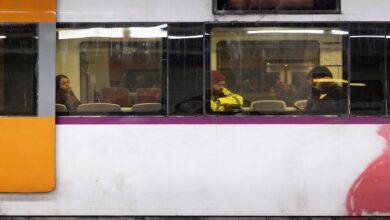
In recent months, residents of Catalonia have faced an alarming situation on the region’s railways. The Rodalies control system, responsible for train safety, is unable to promptly detect obstacles on the tracks unless they damage the overhead line. This poses a risk to passengers and forces operators to impose numerous speed restrictions to reduce the risk of accidents. As El Pais notes, the problem is compounded by insufficient maintenance of infrastructure, which has already led to an increase in incidents and temporary route restrictions.
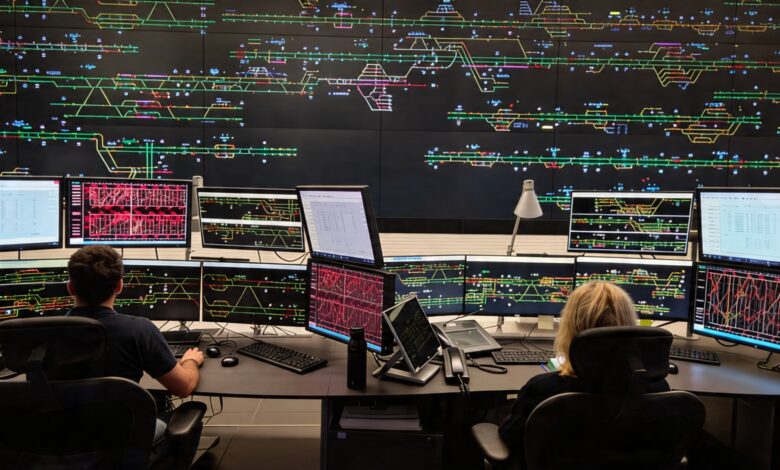
The Traffic Regulation Center (CRC), located at França station in Barcelona, is considered a key element in managing the Rodalies railway network. Here, specialist teams work around the clock, controlling train movements, signals, and track conditions using a complex system developed by Siemens. However, despite a high level of automation, the system cannot detect fallen trees or landslides unless they affect the power supply. As a result, drivers learn about obstacles only upon direct encounter, which can lead to delays and dangerous situations.
Technical failures and their consequences
In recent years, the centralized Rodalies control system has failed three times. The last major outage happened in January 2026, when a Siemens software error paralyzed the entire network. Trains were forced to stop, and dispatchers temporarily lost the ability to track their movements. According to El Pais, after the incident, Adif specialists tightened controls over software updates, but so far, it has not been possible to completely prevent similar failures.
Because the system cannot guarantee obstacle detection, temporary speed restrictions have been introduced on many railway sections in Catalonia. According to El Pais, their number has already exceeded 150, with most due to the need for embankment repairs and tree cutting along the tracks. These works were supposed to have been completed earlier, but due to a lack of resources and attention to infrastructure, they were postponed, creating additional risks for passengers and staff.
Restrictions and new measures
In response to criticism and growing user dissatisfaction, Adif invited journalists to observe the operation of the Traffic Regulation Center. Company representatives emphasized that in case of emergencies such as fire or terrorist threats, specialists can quickly switch to a backup control center located at Sants station. However, this backup center is not yet used in day-to-day operations.
Despite efforts to increase transparency and regular software updates, a key problem remains unresolved: the Rodalies system is still unable to automatically detect large objects on the tracks unless they damage the overhead lines. The only exception is cable theft, when the system detects a break and automatically stops train traffic. But for other types of obstacles, such as landslides or fallen trees, no effective solutions have yet been found.
Context and similar cases
In recent years, Spain’s railway infrastructure has repeatedly faced problems related to technical failures and insufficient maintenance. For example, in 2023, a major malfunction in Madrid’s signaling system led to widespread train delays and passenger discontent. In 2024, a similar situation occurred in Valencia, where train service was halted for several hours after trees fell onto the tracks. These cases highlight the importance of timely technical maintenance and the implementation of modern obstacle detection systems on the country’s railways.