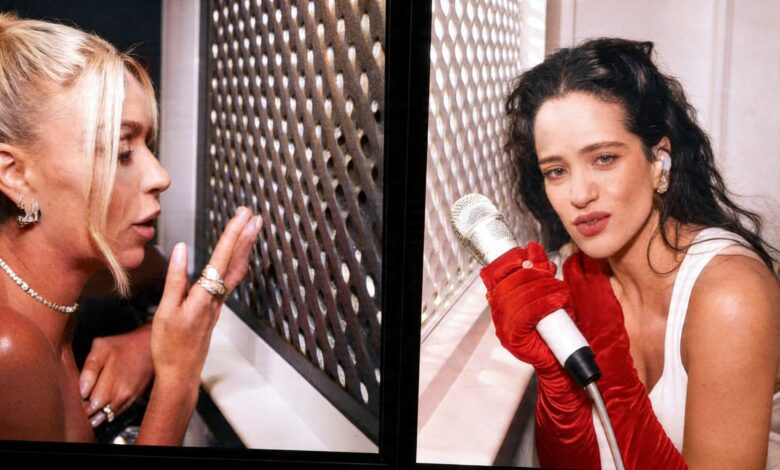
A concert in Barcelona became one of the most talked-about events of the spring for Catalonia’s residents. Amid a busy week that saw the city host world leaders and sports tournaments, it was Rosalía’s performance at Palau Sant Jordi that took center stage. For many Spaniards, the evening became more than a musical event—it reflected new trends in culture and attitudes toward public gatherings.
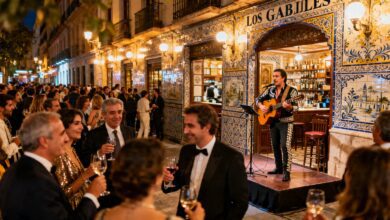
The audience that gathered on Friday evening immediately felt a special atmosphere. People did not rush to pull out their phones to record the event, preferring instead to experience the show live. This approach is rare at modern concerts, where everyone typically tries to capture the moment for social media. As El Pais notes, the sense of presence outweighed the urge to share videos, marking an unexpected trend for Barcelona.
Family support and new songs
Performing on her home stage, Rosalía appeared especially emotional. Her loved ones were in the hall, adding to the emotions as she performed her new songs. The singer presented fresh tracks, rounding out her album, and the audience welcomed them enthusiastically. Despite strict rules—photographers were not allowed entry—the atmosphere remained festive and genuine.
The evening was not without surprises. In the specially arranged “confessional” segment of the show, where guests typically share candid stories, the audience was expecting appearances by well-known figures. However, instead of the anticipated Shakira or Pedro Sánchez, Bad Gyal took the stage. Her admission about personal struggles drew laughter and support from the crowd, and the singer openly discussed her failed relationships, unafraid to share the details.
A city in the rhythm of events
This week, Barcelona became the stage for numerous important gatherings and events. In the morning, the city welcomed the presidents of Brazil and Colombia, and in the evening honored Mexico’s new leader. At the same time, tennis matches and fashion shows were taking place, highlighting the vibrant cultural life of the Catalan capital. Amidst such variety, it was Rosalía’s concert that became the main attraction for thousands of residents and guests.
Interestingly, such emotional onstage moments are increasingly a topic of discussion in Spain. Recently, a popular show featured a reunion between Dulceida and Alba Paul, sparking a storm of emotion and applause, as described in detail in the article at russpain.com. Such events demonstrate how much the Spanish public values genuine displays of emotion on stage.
Trends and context
According to El Pais, Rosalía’s concert became not just a musical event, but a social phenomenon. The audience’s refusal to film everything on their phones suggests a shift in priorities: more and more people are choosing live participation over digital memories. This reflects deeper changes in how cultural events are perceived in Spain.
In recent years, concerts in the country’s major cities have increasingly become a platform for unexpected confessions and sharing personal stories. Bad Gyal’s candid onstage account is just one example of how artists and audiences are searching for new ways to connect. Such moments make every performance unique and memorable.
Looking back at recent events, it is clear that concerts and public shows in Spain are increasingly becoming not just entertainment, but a space for discussing important issues. Last year, performances in Madrid and Valencia also featured artists sharing personal stories, with audiences responding with unexpected warmth. These trends confirm that the Spanish scene continues to evolve, offering spectators new formats and emotions.