The return of Los Gabrieles to the heart of Madrid has become an event that changed the city’s cultural landscape. After two decades of obscurity, the doors of this historic tavern have reopened to residents and visitors of the capital. This is not just another venue—this is a place where the paths of renowned individuals crossed and the city’s identity was forged.
Restoring Los Gabrieles is about more than preserving architectural heritage—it’s about reviving a lost symbol of the neighborhood. Over the years of closure, many iconic sites disappeared, but this tavern managed to withstand the passage of time and once again become a focal point. According to Talent24h, the restoration project lasted over six years and required the efforts of experts in both historic interiors and contemporary design.
Historical context
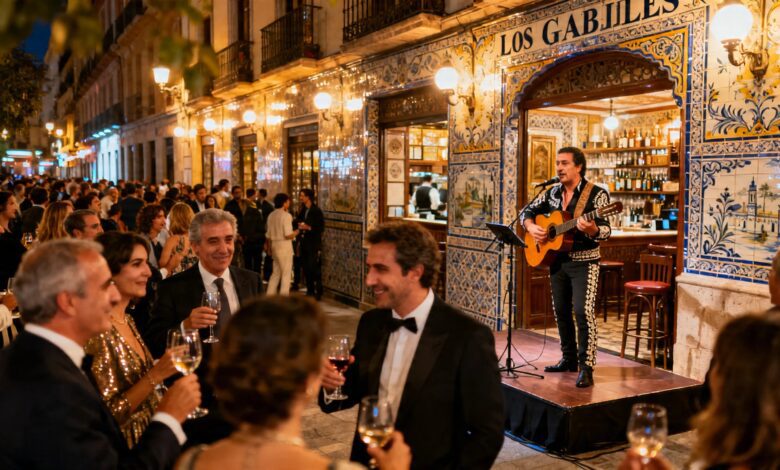
Los Gabrieles first opened in 1907 and quickly became popular among Madrid’s residents. Just two years later, the establishment moved to Echegaray Street, 17, where it took on its current appearance. Here, Andalusian cuisine was combined with a deli shop and a stage for live flamenco performances. In the 20th century, the tavern became a meeting place for people from all walks of life—from workers to artists and politicians.
Special attention was always drawn to the unique ceramic murals and hall decor. These interior features are recognized as cultural heritage and have been carefully restored. The famous ‘rooms’ have been preserved in the basement, and the ‘Hall of Provinces’ has reopened for musical events and private gatherings.
Cultural significance
Los Gabrieles is known not only for its cuisine, but also for hosting personalities such as Alfonso XIII, Federico García Lorca, Ava Gardner, and Manuel Azaña. Over the years, the taberna has served as a stage for renowned flamenco performers and a place where important city issues have been discussed. The venue’s atmosphere has always encouraged creative exchange and the emergence of new cultural trends.
In the 1980s, Los Gabrieles remained one of the few places where flamenco traditions were preserved in their original form. Here, the interests of artists, politicians, and ordinary residents intersected, making the taberna a unique phenomenon in Madrid.
Restoration and reopening
The restoration of Los Gabrieles began with the refurbishment of its ceramic panels in 2007. This was followed by major work to restore the building’s historical appearance and create modern facilities. Architect Miguel Ángel Santa and his specialist team paid special attention to the details to preserve the spirit of the past and integrate new elements to meet contemporary needs.
The interiors now feature modern artworks that blend harmoniously with historical details. The restoration was based on archival research, allowing the early 20th-century atmosphere to be recreated with great accuracy. As a result, Los Gabrieles has once again become a space where the past meets the present.
A new concept
Today, Los Gabrieles offers guests not only traditional cuisine but also a rich cultural program. Chef Ander Galdeano has created a menu that brings together Madrid and Andalusian recipes. The wine list, curated by sommelier Rebeca Bellido, features both Spanish and international selections, reflecting the spirit of the establishment.
Musical evenings and themed events have once again become part of the tavern’s life. Organizers promise a varied program designed for a broad audience. All historical rooms are open to visitors, including the cellar and the ‘Hall of Provinces,’ where concerts and private gatherings take place.
Los Gabrieles is more than just a restaurant; it is a space where Madrid’s cultural heritage is preserved and developed. The return of the tavern has become a significant event for the city, reminding people of the value of historic places and their role in modern life.
Los Gabrieles is one of the few Madrid taverns that have maintained their appearance and atmosphere for over a century. In the early 2000s, there were already attempts in the capital to revive historic venues, but only a few managed to regain their former popularity. A similar story happened to Café Gijón, which also survived closure and subsequent restoration. Such examples show that interest in Madrid’s historic spaces remains strong and is becoming more prominent as traditional establishments disappear.