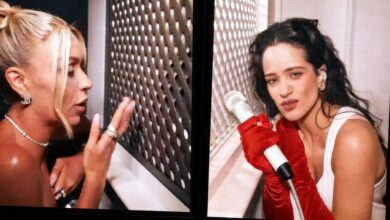
Brazilian television has seen a marked increase in the trend of reviving old formats and nostalgic elements. This Sunday, Domingão com Huck will present a satirical version of Três Graças called Dez Graças, which directly refers to the style of Casseta & Planeta, Urgente! and highlights how the past has once again become relevant for Globo.
In recent months, retro elements and direct references to iconic programs have been appearing on air more and more frequently. While such ‘time travel’ used to be the prerogative of Vídeo Show, now they can be found in a wide variety of broadcasts. This approach is clearly aimed at an audience that remembers the golden years of Brazilian TV, but younger viewers interested in television history are not left out.
A bet on recognition
Domingão com Huck has not stopped at a single parody: the Você Decide format is also returning, while Caldeirão com Mion has integrated elements of Globo de Ouro into its Sobe o Som segment. The TV Teca season was also built on recognizable details, and the TV chronology game format evokes Vídeo Game from Vídeo Show, though its mechanics are more similar to Jogo da Velha from Domingão do Faustão.
Even in the reality show BBB 26, there were nods to the past: contestant Samira Sagr starred in a video comparing her to characters from Múltipla Escolha in Malhação. Such comparisons and retrospectives were common for Vídeo Show, which for many years bridged the gap between the past and present of Brazilian television.
An ideas crisis or a new strategy?
The constant focus on the past, according to many viewers, points to a lack of fresh ideas at Globo and other major channels. New formats rarely appear, and even projects acquired from abroad do not always catch on. As a result, the programming is filled with remakes, parodies, and the return of old segments.
Today, behind-the-scenes content and the filming process are more often shown on social media and YouTube, where making of videos for new projects like Em Família com Eliana and Quem Ama Cuida are published. Even in the digital environment, the spirit of Vídeo Show lives on, although the project itself has long been closed.
Market trend
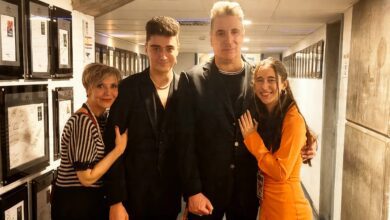
It’s not just Globo swept by nostalgia. On SBT, Luis Ricardo in Viva a Noite bets on inviting stars from the past, and Domingo Legal with Celso Portiolli brought back to air the legendary Banheira de Gugu Liberato — a feature previously seen in Programa do Ratinho. Similar trends occur in other countries as well: for example, in Spain, iconic bands and formats are also experiencing a rebirth, as was recently the case with the 091 concert in Valencia — details about the legend’s return drew great interest from fans.
Celebrating the past in itself raises no questions, but the lack of new ideas and formats could mean that today’s projects will leave nothing behind worth remembering in years to come.