
All news
23190 news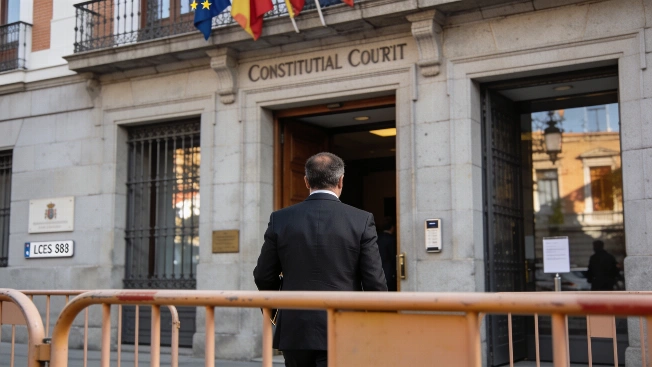
Constitutional Court Begins Deliberations on Turull Amnesty Appeal
Spain's Constitutional Court has begun reviewing the first amnesty appeal involving a leader of the procés. Its ruling on Jordi Turull could decide how malversation claims are treated and affect the legal futures of Carles Puigdemont and Oriol Junqueras.

Albares and Bourita to Discuss Ceuta in New York
Spain and Morocco will discuss Ceuta in New York this week. The talks will cover migrant returns, people still in the city and online calls for another mass entry attempt before 23 September.
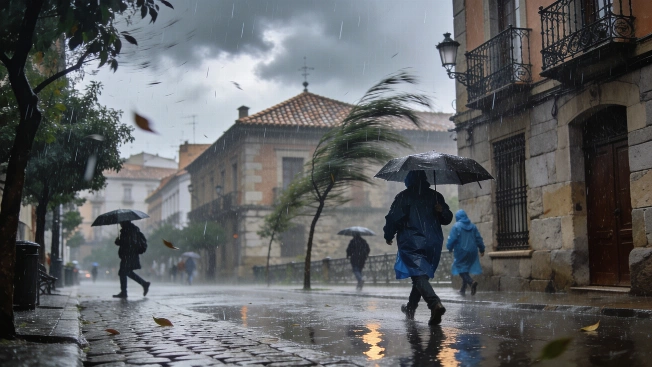
Spain faces an unusually hot 22 September
AEMET forecasts stable weather across Spain on 22 September. Temperatures may exceed 35 degrees in southwestern Galicia, the southern Atlantic areas and the Canary Islands.

Respiratory viruses leave Galicia's health services with little room to spare
Covid and flu are driving more people to Galicia's health services. Primary care access varies sharply between centres, while hospital emergency departments are dealing with another rise in patients.

Barcelona heats up as temperatures climb to thirty one degrees
Barcelona heads into Monday with the temperature set to hit thirty one degrees. The city will see mostly clear skies, while nearby towns face their own weather shifts. The heat is expected to stick around through midweek.

Fake police abduction on AP-7 stuns drivers near Barcelona
Five men dressed as police pulled a man from his car and forced him into another vehicle on the AP-7 near Barcelona. Witnesses filmed the attack, which has sparked a major police investigation and raised alarms about criminal tactics on Spanish highways.
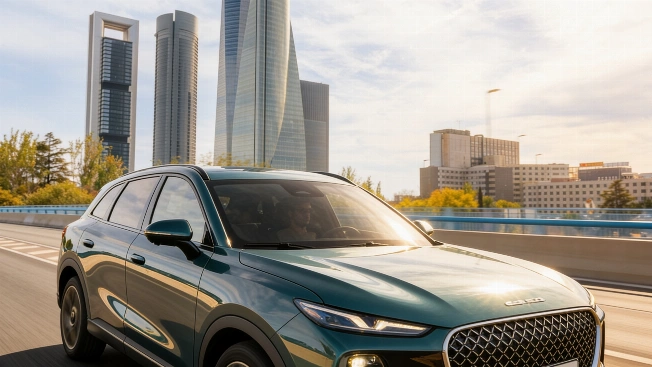
Lepas L8 lands in Spain: Chery’s new hybrid SUV takes on a crowded field
The Lepas L8 hits Spain with 279 horsepower, 90 km of electric range, and a starting price under 34,000 euros. Chery Auto is betting on sharp design and tech to stand out in a market already full of Chinese brands.
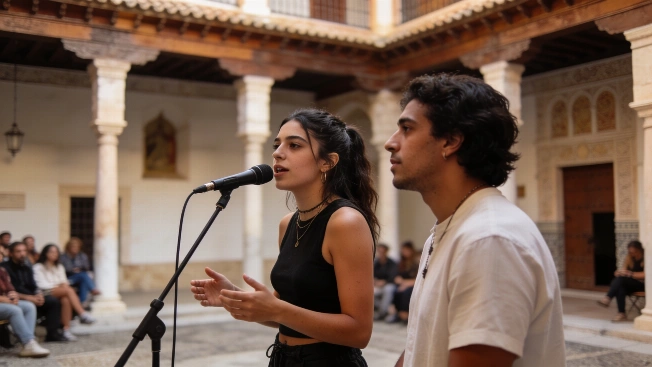
CULTUR.ALH turns Granada into a weeklong avant-garde laboratory
CULTUR.ALH has opened in Granada with a tribute to Gata Cattana. More than 60 authors and 30 free events will fill the city from 21 to 27 September.

Alzheimer's affects more than 800,000 people in Spain
Spain records 40,000 new Alzheimer's diagnoses each year, and women account for more than 65% of cases. Healthy habits may help prevent or delay nearly half of them.
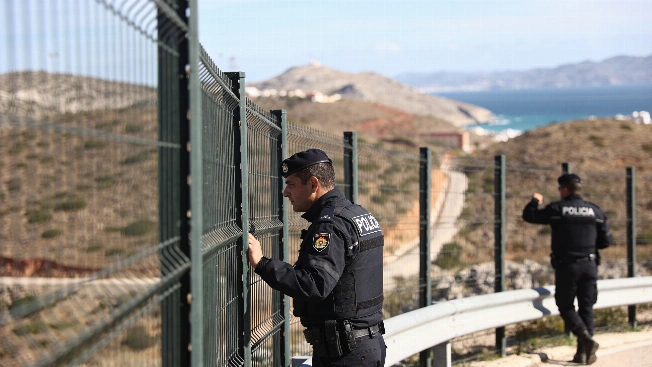
Marlaska tightens Ceuta and Melilla border ahead of Morocco vote
Spain is reinforcing its borders in Ceuta and Melilla ahead of Morocco's 23 September elections. Interior Minister Fernando Grande-Marlaska cited social media alerts and delays affecting thousands of migrants and minors.

Spanish banks bring Bizum to the checkout
Bizum Pay is moving into everyday shopping across Spain. Major banks now let customers pay in physical stores without a card, while Banco Santander has yet to join the rollout.

State Lawyers Challenge Supreme Court Voting Freeze
Spain's State Attorney is challenging the Supreme Court's temporary voting freeze. The dispute concerns 306,000 registered citizens and the future size of the overseas electoral roll.

Greenland security pact set for UN signing
Denmark and Greenland will sign a security agreement with the United States on Tuesday. The pact remains secret, but Copenhagen says it will not change sovereignty over the island.

Tesla pulls ahead in Spain as Volkswagen and BYD chase new electric records
Tesla’s Model 3 and Model Y are leaving the rest behind in Spain’s electric car market this September. Volkswagen rolls out its most powerful GTI ever, while BYD sets its sights on solid-state batteries by 2027. The market is changing fast.
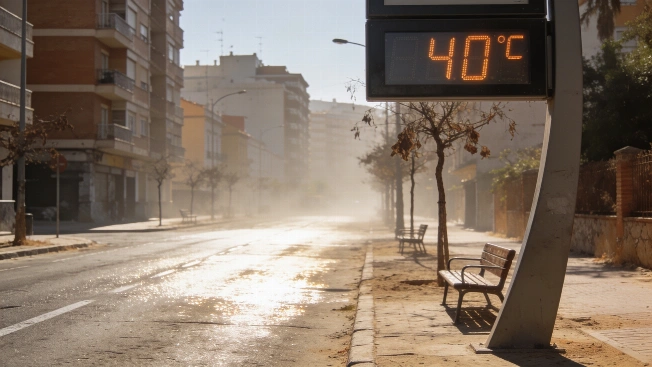
Burgos scorched by summer heat as autumn starts
Burgos is about to get a blast of summer just as autumn begins. Temperatures will shoot past 30 degrees, skies will stay clear, and rain is nowhere in sight.
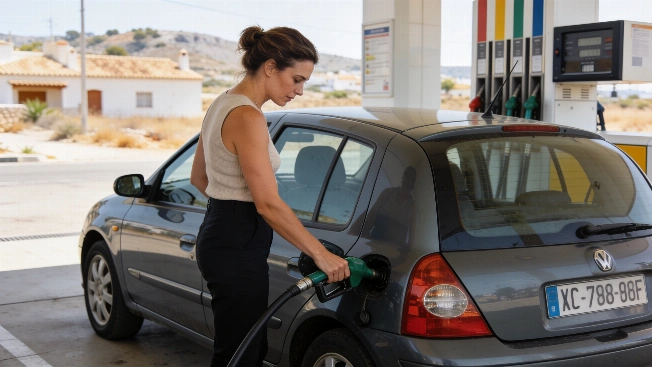
Balearic PP calls for tax cuts as inflation hits 4.4%
Inflation in the Balearic Islands reached 4.4% in August, slightly above Spain's 4.3%. The PP wants lower energy taxes, relief on basic food and stronger transport compensation for the islands.
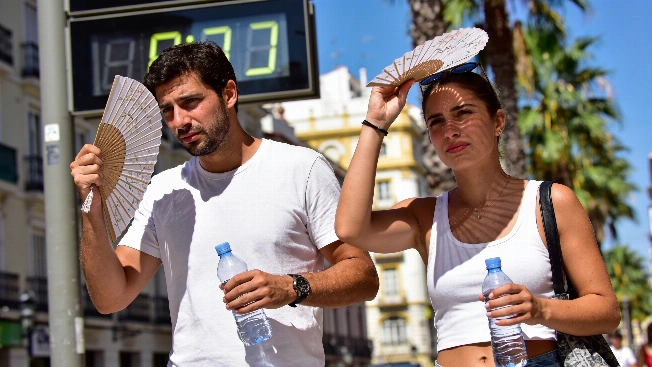
Málaga swelters as autumn heatwave pushes temperatures past 35°C
Autumn is here on paper, but Málaga is stuck in a heatwave. Temperatures are hitting 35°C inland, and meteorologists say the heat will last at least until mid-October.

Rallye Gibralfaro pushes for national stage with 2027 championship bid
Rincón de la Victoria will host the 35th Rallye Gibralfaro, drawing 60 cars and facing a key inspection that could open the door to the Spanish Rally Championship in 2027. The race crosses nine Málaga towns and brings in teams from all over Andalusia.

Feijóo condemns attack on Ceuta deputy
Alberto Núñez Feijóo has condemned the attack on a Ceuta deputy. Police detained at least one young Ceuta resident after the incident, while the investigation continues amid a wider migration and security crisis.
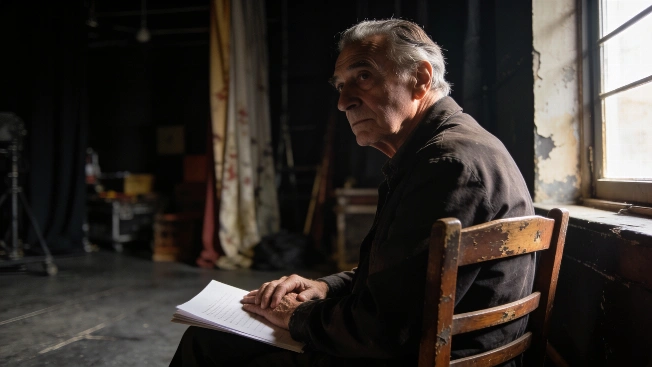
Spain Loses One of Its Defining Theatre Critics
Marcos Ordóñez died in Barcelona at 69. His work shaped Spanish theatre criticism and reached into journalism, literature, teaching and popular culture.

Pay Gap at Ibex-35 Companies Reaches 67 Times Employee Salaries
Executive pay moved further away from employee salaries at Spain's biggest listed companies. The gap reached 67 times in 2025, while three women executives shaped the gender figures at Ibex-35 firms.

Bizum Pay reaches 20 million Spanish shoppers
Bizum is moving beyond person-to-person transfers in Spain. Major banks now let customers pay in physical shops with their phones, while Santander has yet to join the rollout.
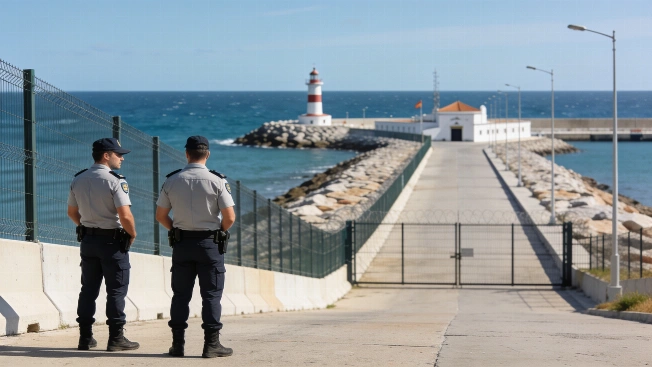
Feijóo demands a permanent Frontex presence in Ceuta
Feijóo wants Europe to strengthen Ceuta's role at the border. He is calling for permanent Frontex support and faster returns after the July 30 to 31 crisis.
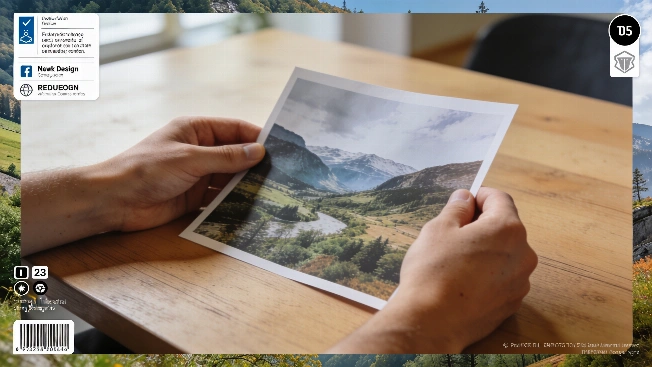
iOS 27 turns Fotos into an AI editing studio
Apple Intelligence can now edit images inside Fotos. iOS 27 removes objects, expands backgrounds and shifts a photo's viewpoint after it has been taken.

Report of Spanish theatre critic Marcos Ordóñez's death remains unconfirmed
Marcos Ordóñez has been reported dead at 69 after a major career in Spanish theatre criticism. His work linked performance with literature, cinema, music and popular culture, though the death report has not been independently confirmed.

Volkswagen Polo vs Kia Niro: which city car fits your life?
Volkswagen Polo and Kia Niro now go head-to-head on more than just size. The Polo brings a new electric option and tight handling, while the Niro offers hybrid power and a bigger boot. Which one works best for city life?
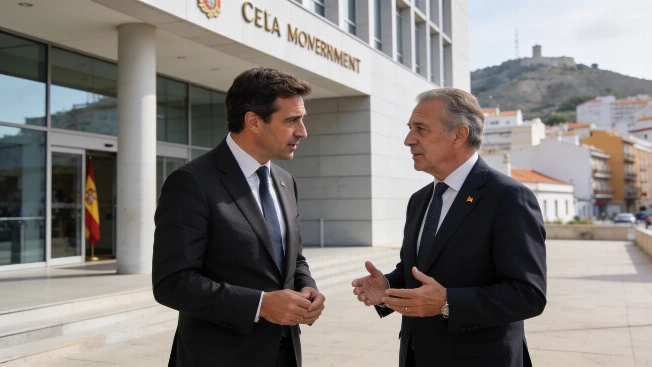
PP hardens Ceuta standoff over migrant minors
Alberto Núñez Feijóo and Juan Jesús Vivas reject transfers from Ceuta. They want returns to Morocco and accuse Sánchez of letting the crisis drag on.
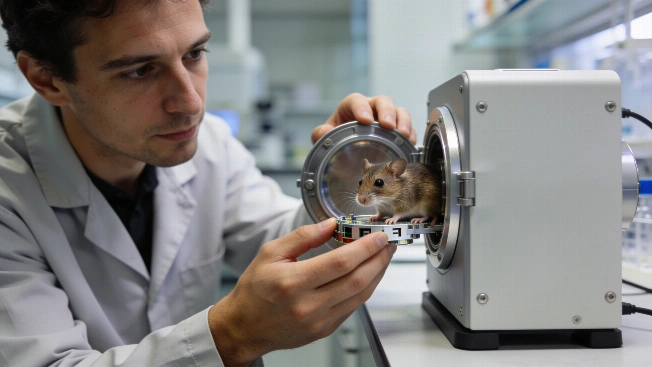
Why Spanish Alzheimer Researchers Are Turning to Myelin
Researchers in San Sebastián are testing whether damaged myelin helps drive Alzheimer's disease. The work could improve early detection and guide treatments that protect the brain's neural insulation.
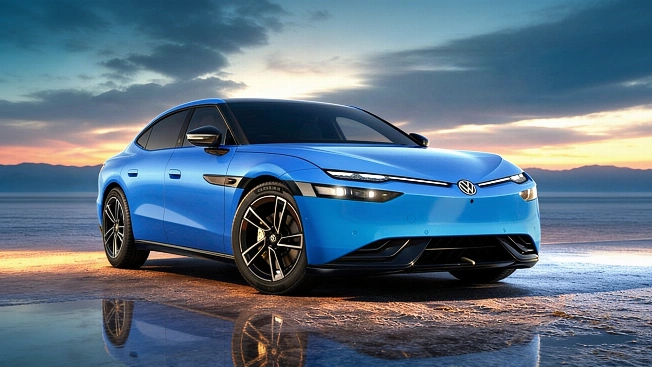
Volkswagen launches ID. UNYX 09 electric sedan with 730 km range—China only
Volkswagen has rolled out the ID. UNYX 09, an electric sedan with up to 730 km of range and 503 horsepower. Built with Xpeng, this car is for China only—European buyers are left waiting.

Bizum Pay reaches 20 million users as Spanish banks widen access
CaixaBank, Bankinter and Unicaja have opened Bizum Pay to more customers. Nearly 20 million people can now use it in physical shops, with 1.6 million businesses connected to the service.
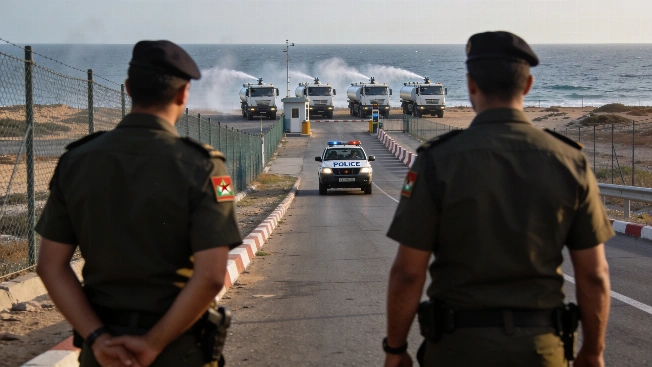
Morocco tightens Ceuta border ahead of September 23 election
Morocco has sent hundreds of officers and four water-cannon trucks to the Ceuta border. The move follows Spanish warnings about social-media calls for a collective crossing on election day.
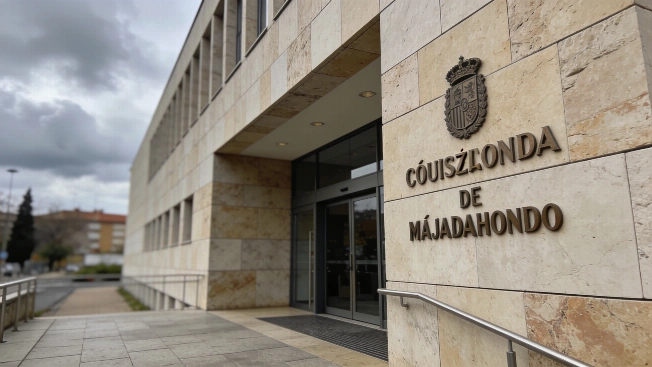
Begoña Gómez to Face Trial Over Influence and Public Funds Claims
Begoña Gómez and Cristina Álvarez will face trial over alleged influence peddling and misuse of public funds. The judge has also requested Gómez's five most recent income tax returns.
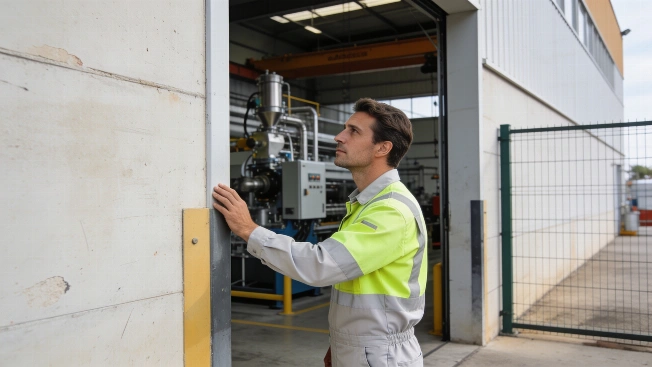
Castilla-La Mancha attracts 129.2 million euros in foreign investment
Foreign investment in Spain reached 12.446 billion euros in the first half of 2026, up 31.2% from a year earlier. Madrid and Catalonia took the largest shares, while Castilla-La Mancha received 129.2 million euros.
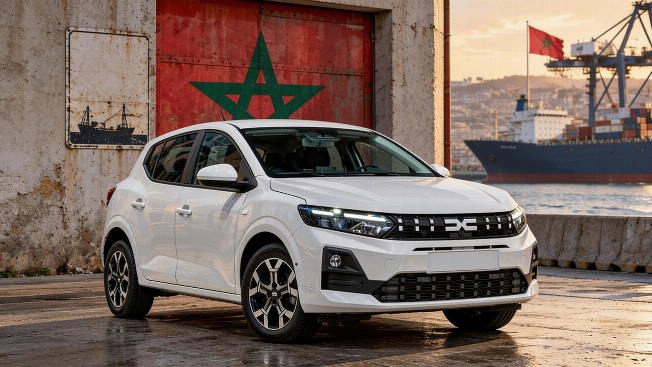
Dacia Sandero tops Spanish sales as Moroccan factories take over production
The Dacia Sandero leads Spanish car sales in 2026, but nearly every unit now rolls out of Morocco. With over 98 percent built in Tangier and Casablanca, Spain’s favorite car is a North African export.
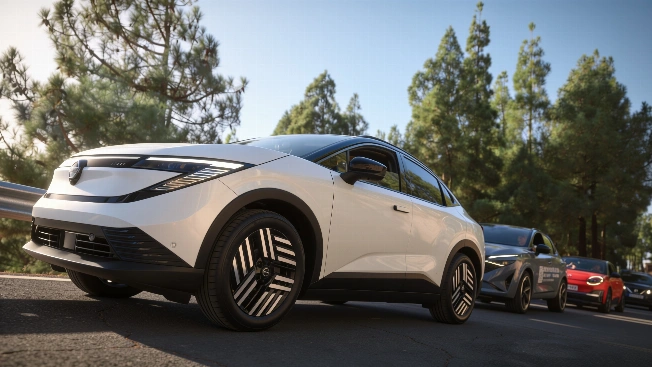
Nissan bets big on electric cars in Spain with new models and smart tech
Nissan is shaking up its European game plan, bringing a wave of electric cars and new software to Spain. The company is rolling out fresh models and tech, aiming to stay ahead as rivals and new rules change the market.
Page 1 by 20