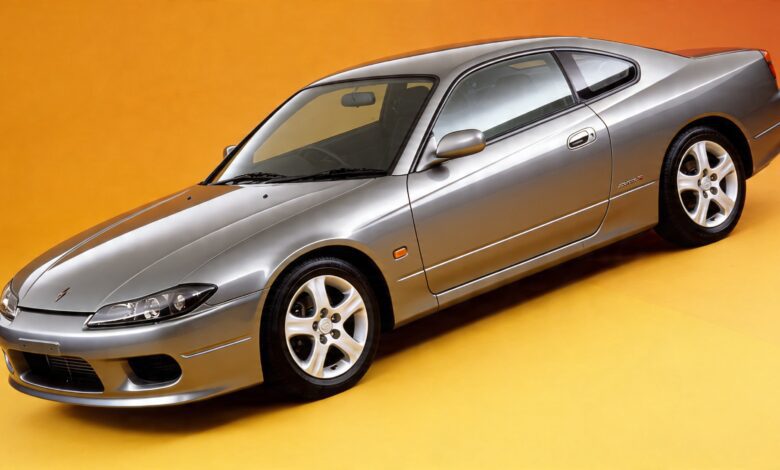
Game-changing shifts that can redefine an entire brand are rare in the automotive world. But that’s exactly what Nissan is experiencing right now: the Japanese manufacturer has officially confirmed plans to bring back several iconic models, including the Silvia, GT-R, and Skyline. This is more than just an attempt to cash in on nostalgia—it’s a strategic shift that could restore the brand’s former edge and relevance, especially given the growing competition in the affordable sports car segment.
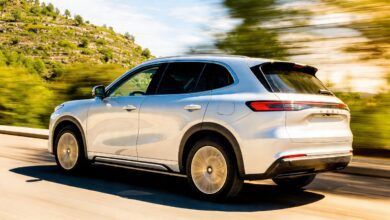
As noted by Motor1.com, at Nissan’s headquarters in Yokohama, company executives—Product Strategy Director Richard Candler and CEO Ivan Espinosa—outlined a new direction for the brand. The main focus is on creating genuinely appealing cars that evoke emotions in buyers. The updated Nissan Rogue (the U.S. version of the X-Trail) is in the spotlight, along with the return of the legendary Xterra name and the revival of the sporty lineup, where the Silvia could become a key player.
The return of the Silvia and a focus on sport
Richard Chandler stated directly: Nissan is seriously considering bringing sports models back into its lineup. First and foremost, this refers to the new generations of the GT-R and Z, which have already been confirmed, though their market launch should not be expected in the coming months. However, particular interest surrounds the possible revival of the Silvia—a compact coupe well known to fans of Japanese cars and motorsport. Chandler emphasized that affordability and an attractive price are crucial for such a project, which is especially relevant for the Spanish market, where competition in the affordable sports car segment is traditionally high.
If given the green light, the Silvia could become a direct competitor to models like the Mazda MX-5 and Toyota GR86, which have long been popular among enthusiasts in Spain. Notably, Nissan is not limiting itself to sports coupes; there are also plans for a new Skyline, which should bring back the spirit of the classic model but with an emphasis on a sporty sedan. This move could appeal to those seeking a balance between driving dynamics and practicality, especially in the context of urban traffic and the specific conditions of Spanish roads.
GT-R R36: no electric batteries, but with a hybrid
One of the most anticipated projects is the new generation Nissan GT-R R36. According to Candler, despite the global trend towards electrification, the next GT-R will not be fully electric. The reason is simple: current lithium batteries do not yet allow for a sports car with the performance expected by GT-R fans. However, it is impossible to completely ignore emissions requirements, so the new model will feature hybrid technology. This is a compromise between regulatory demands and market expectations, which may prove especially in demand in Europe and Spain, where environmental standards are becoming increasingly strict.
In this context, it is interesting to compare Nissan’s approach with the solutions of other manufacturers. For example, Porsche in its Panamera Turbo S E-Hybrid focuses on innovative suspension and an enlarged battery, which allows combining dynamics and comfort — you can learn more about this in the article about the unexpected capabilities of hybrid sports cars. For Nissan, choosing to hybridize the GT-R seems like a logical step given the limitations of current batteries and the demands for performance.
The Spanish market: expectations and prospects
For the Spanish market, the return of the Silvia and the updated GT-R could become a significant event. While sales of sports coupes in the country cannot compare to mass-market segments, it is precisely such models that shape a brand’s image and attract enthusiasts’ attention. In recent years, Nissan in Spain has focused on crossovers and electric vehicles, but the demand for affordable, driver-oriented cars remains, especially among young buyers and fans of the Japanese motorsport school.
It is still too early to speak about the timing of the arrival of new models in Spanish dealerships or about pricing, but the very return of these iconic names is already sparking market interest. If Nissan succeeds in implementing its stated strategy, the brand could strengthen its position not only in the sports car niche, but also in the mass segment, where the emotional aspect is becoming increasingly important in buyers’ decision-making.
For reference: The Nissan Silvia is a compact coupe that was produced in different years with rear-wheel drive and naturally aspirated or turbocharged engines. In Spain, the model was known among enthusiasts, though official sales were limited to certain generations. The GT-R has traditionally been seen as the flagship of Japanese motorsport, while the Skyline is regarded as a symbol of balance between dynamic performance and everyday practicality. The return of these names may be not only a marketing move for Nissan, but also a real chance to regain the trust and interest of buyers in one of the most competitive markets in Europe.