Ancient plants and their remarkable survival mechanisms
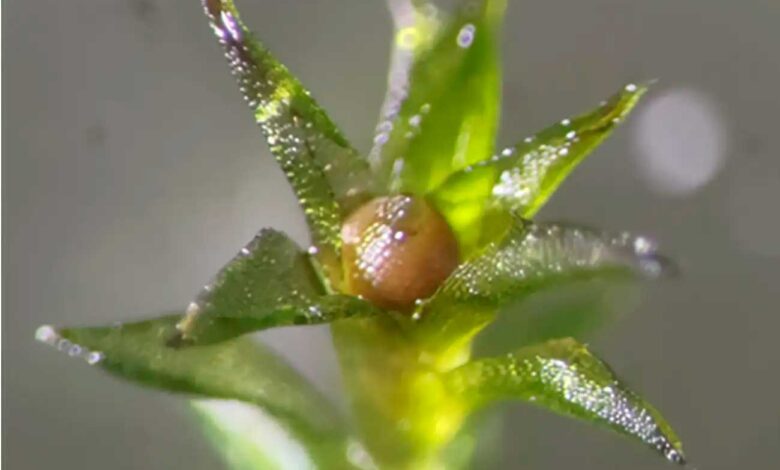
Mosses, which belong to bryophytes, are considered among the first plants to conquer land hundreds of millions of years ago. These organisms can colonize some of the harshest places on the planet—from rocky cliffs to sandy barrens. Their life cycle largely depends on spores—microscopic structures capable of remaining viable for long periods in a dormant state.
Moss spores are easily carried by the wind and can survive extreme conditions, including sharp temperature changes and lack of moisture. Thanks to these features, mosses are often the first inhabitants of new or damaged ecosystems.
Experiment on the ISS: a cosmic endurance test
In March 2022, an extraordinary experiment began aboard the International Space Station. Astronauts placed containers with twenty thousand Physcomitrium patens spores on the exterior of the station. These spores spent 283 days in open space, exposed to vacuum, extreme temperatures, microgravity, ultraviolet radiation, and cosmic rays.
After the mission ended, the samples were returned to Earth. Scientists from Hokkaido University, led by Tomomichi Fujita, immediately began analyzing the state of the spores. For comparison, they used control samples that had stayed in the laboratory the whole time, as well as spores protected from ultraviolet radiation on the ISS.
Results: the spores’ endurance astounds
As expected, the control group demonstrated a high germination rate—97%. Spores kept on the ISS but shielded from ultraviolet light also showed impressive results. However, the real intrigue came from those that spent nine months in open space without any protection.
More than 80% of these spores retained their germination ability and grew into fully developed plants. This result surprised researchers, since previous experiments with other parts of the moss revealed low resilience to such stresses. While vegetative forms died from ultraviolet exposure and dehydration, the spores showed remarkable resistance.
The secret to their strength: spore structure and evolution
Scientists say the spores’ phenomenal survivability is due to their multi-layered shell, which shields internal structures from external threats. This ‘armor’ evolved in mosses as they adapted to life on land and faced the harsh conditions of ancient Earth.
Researchers liken the spores to miniature spacecraft, able to endure extreme conditions. According to their estimates, some spores could remain viable in space not just for nine months, but for up to 15 years.
Astrobiological significance and new questions
The discovery by Japanese biologists is expanding our understanding of the limits of survival for Earth’s organisms. If moss spores can endure such prolonged exposure to space, it strengthens the hypothesis that life could potentially spread between planets.
However, not all experts share this optimism. Some specialists believe the real test is not only whether spores can survive, but whether they can actually germinate in space conditions, for example, onboard the ISS. So far, successful germination has been observed only after returning to Earth.
The next stage for researchers is ahead: to determine whether moss spores can not only survive, but also begin a new life cycle outside of Earth. This question remains unresolved and requires further study.