Architecture is not only utilitarian—it can amaze, inspire, and spark debate. Around the world, there are buildings unlike anything else, instantly recognizable for their appearance, vision, and execution, becoming symbols of their cities or even entire nations. This feature presents eight structures that are truly among the most extraordinary on the planet.
Each of these buildings is the result of bold ideas and daring experimentation with form. Some have already become historic landmarks, while others continue to surprise people today. They all share one thing: no one remains indifferent.
Architectural Eccentrics: Fish, Capsules, and Circles
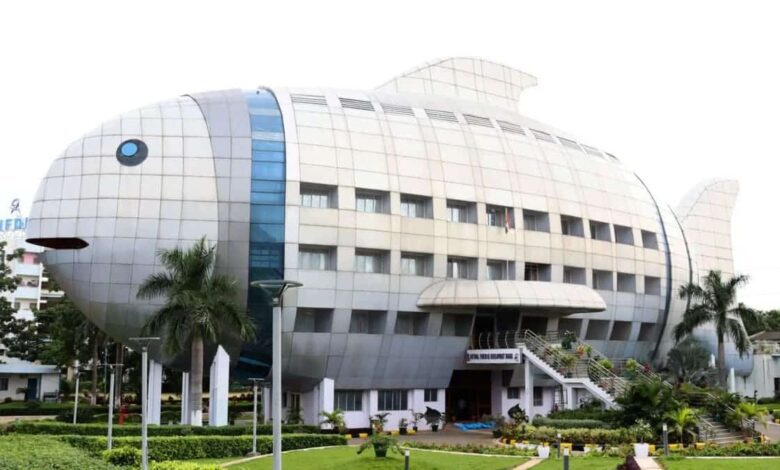
In Hyderabad, India, stands a building that’s impossible to miss. The headquarters of the National Fisheries Development Board is shaped like an enormous silver fish. Its metallic ‘scales,’ striking ‘eyes,’ and fins make it a true monument to the country’s fishing industry. Built in 2012, it’s one of the most vivid examples of mimetic architecture, where form directly reflects purpose.
In Taiwan’s Sanzhi District, there was once a futuristic housing complex resembling landed flying saucers. These capsule homes, which first appeared in the late 1970s, quickly became a local legend. Though the project was never completed and the buildings were demolished by 2010, photos of them still captivate fans of the unusual.
In China, on the banks of the Pearl River (Zhujiang), stands the Guangzhou Circle skyscraper. Its circular shape and impressive diameter make the building resemble a giant jade disc. Architect Joseph di Pasquale was inspired by ancient symbols and the history of the region, while the bronze facade and central opening give the structure its striking look.
Capsule towers and storybook houses
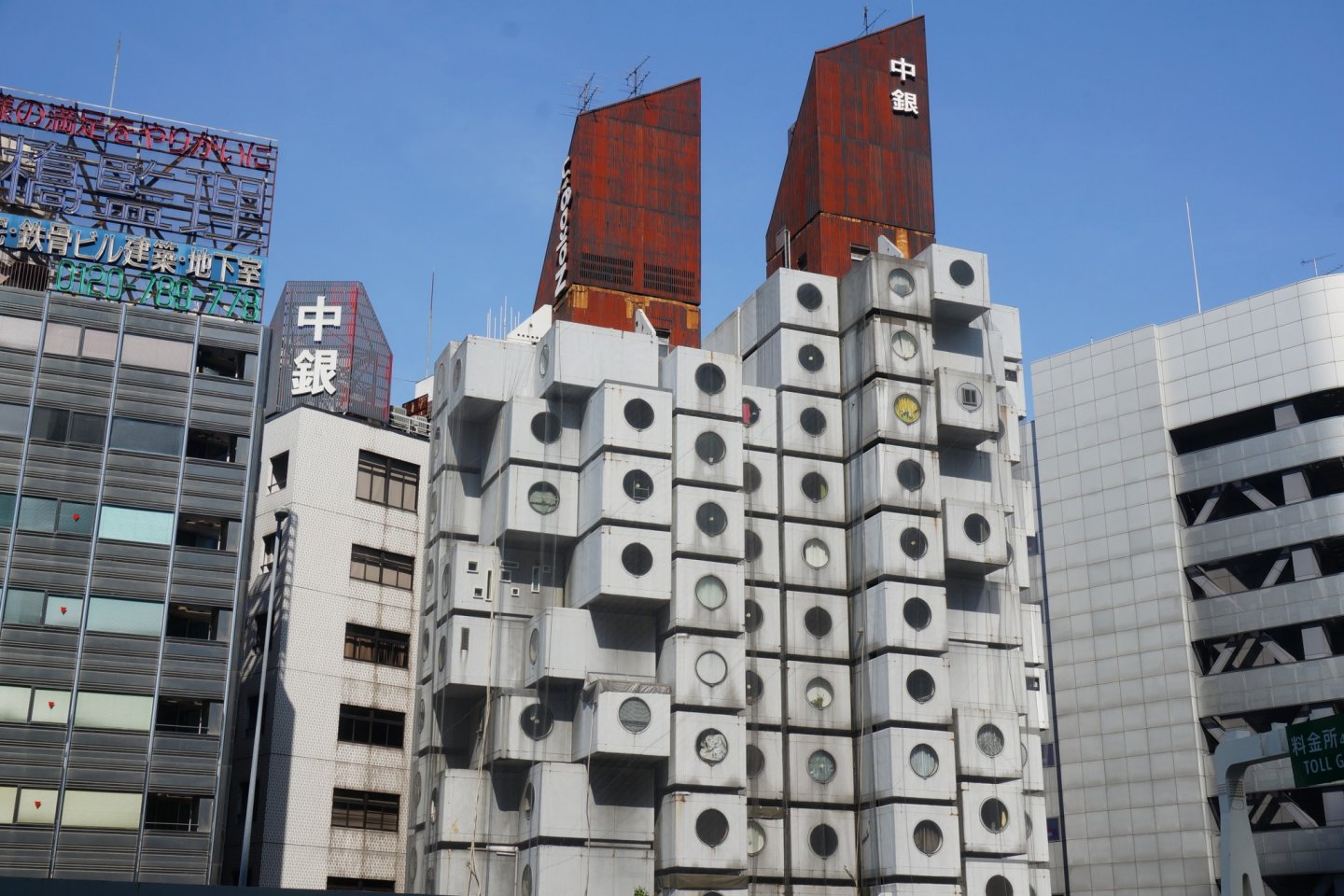
For many years, the Nakagin Capsule Tower stood in Tokyo—one of the most renowned examples of Japanese Metabolism. Built in 1972, it was composed of numerous small capsule modules, each serving as an apartment or office. The capsules were intended to be replaced as needed, though this seldom occurred in practice. In 2022, the building was dismantled, but individual modules were preserved in museums and private collections.
In Sopot, Poland, you’ll find the Krzywy Domek, a building that looks as though it sprang from the pages of a children’s book. Its wavy walls and roof, along with its unusual proportions, make it appear as if it’s melting in the sun. Built in 2004, it has become one of the city’s main attractions and a popular photo spot.
Modern experiments: water, height, and sculpture
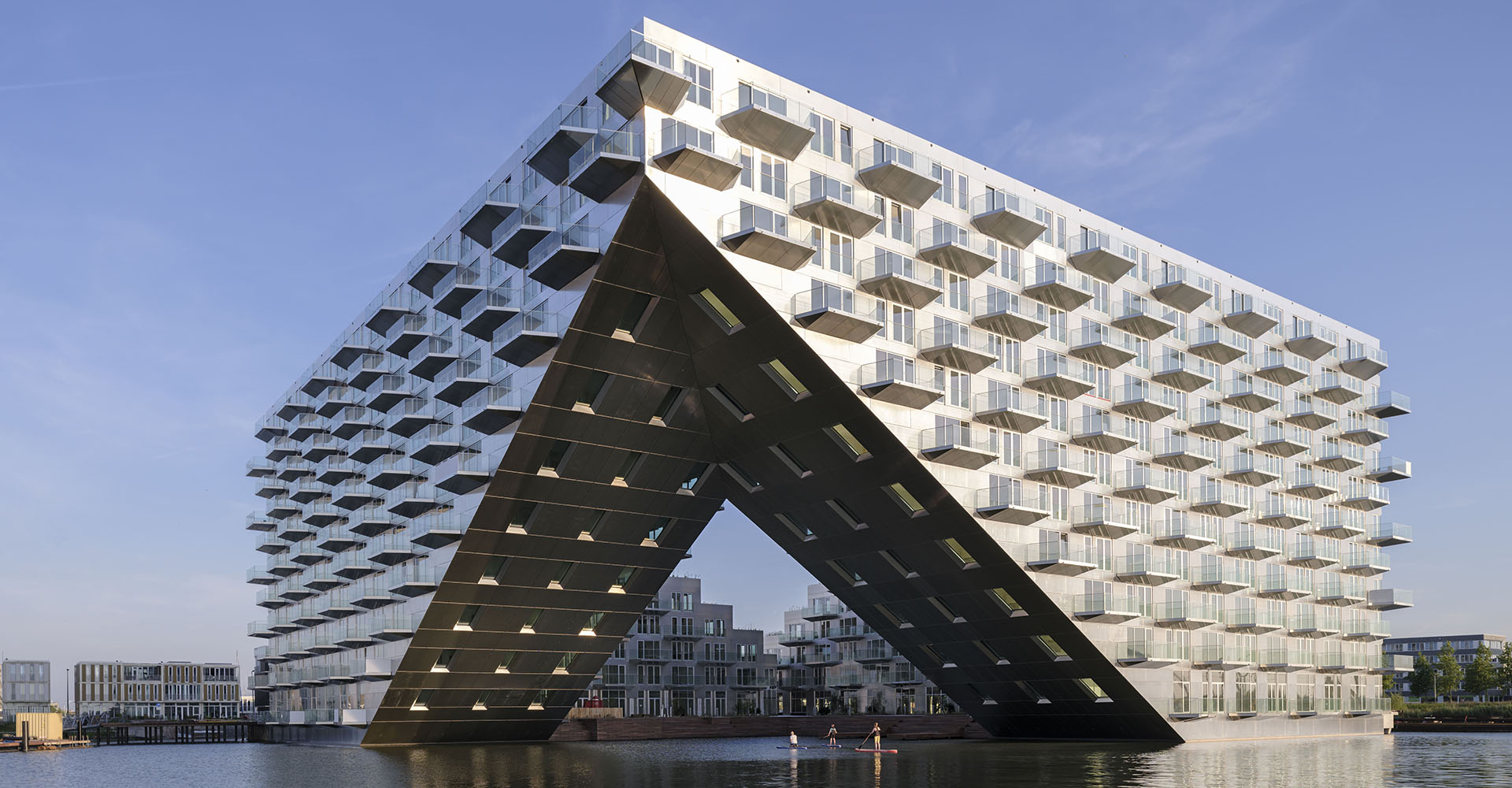
In Amsterdam, the Sluishuis residential complex stands out for its unique location and shape. The building appears to hover above the waters of Lake IJ, with a massive cut-out in its structure allowing boats to enter inside. Terraces clad in aluminum and seamless integration with the aquatic environment make this project a prime example of harmony between architecture and nature.
In Batumi, Georgia, the tower of the Technological University is distinguished by an unusual feature—a giant wheel embedded high up on its facade. Pristine white surfaces and gold detailing give the building a futuristic vibe, and its silhouette has become an iconic symbol of the Black Sea coastal city.
Memory and symbolism in concrete
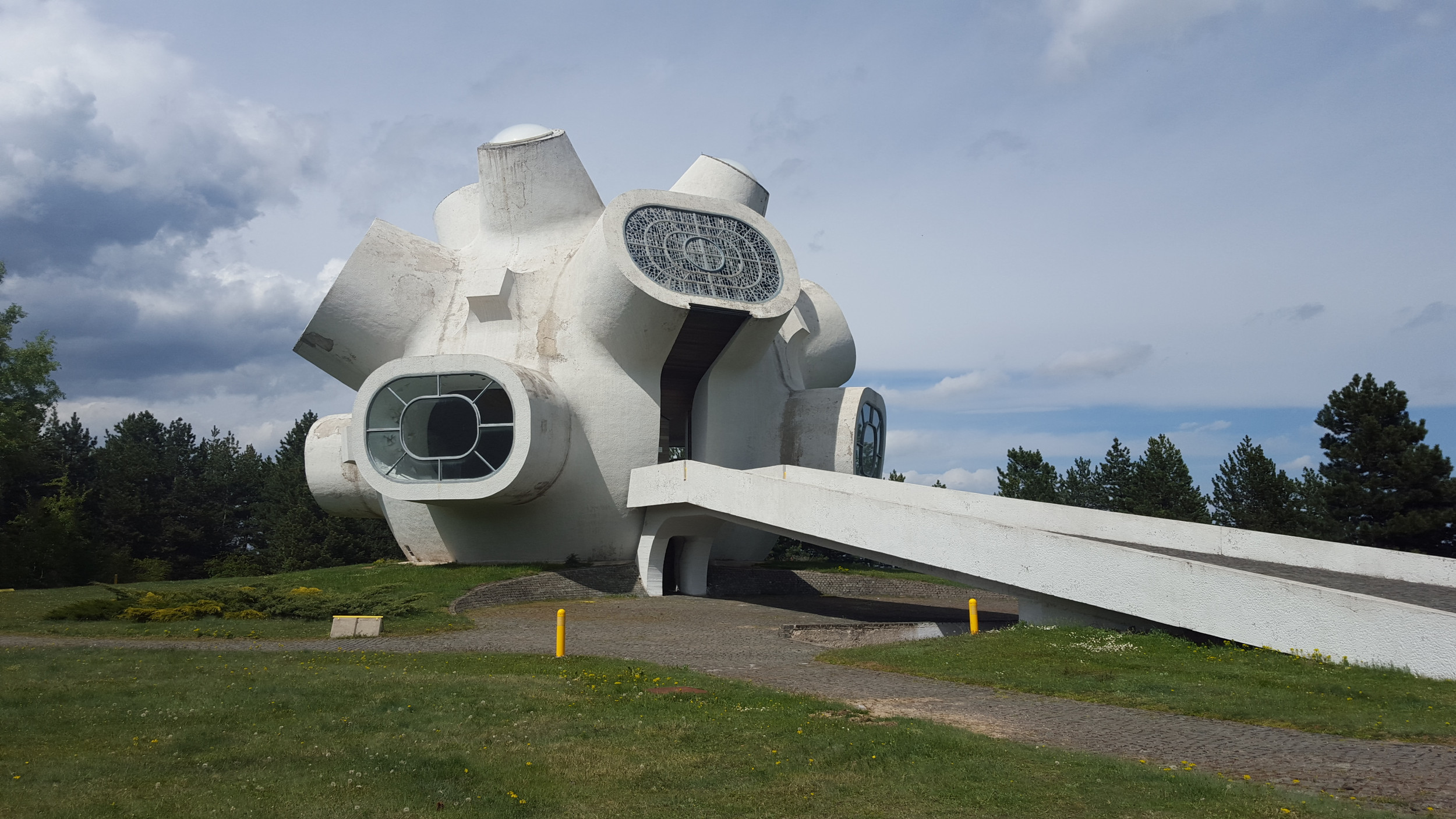
In Kruševo, North Macedonia, stands the Ilinden Memorial. This white concrete structure, resembling both a spaceship and an abstract sculpture, was inaugurated in 1974. The memorial commemorates the anniversary of the anti-fascist movement and the uprising against the Ottoman Empire. Its striking form and symbolism have made it one of the most memorable monuments in the Balkans.
Each of these buildings is more than just an architectural experiment—it reflects the cultural, historical, and technological characteristics of its era and place. They have become magnets for tourists, topics of discussion among professionals, and a source of inspiration for anyone fascinated by the extraordinary in the world around us.
In case you didn’t know, the National Fisheries Development Board of India was established to support and modernize the country’s fishing industry. The organization focuses on introducing innovations, developing infrastructure, and supporting fishing communities. Thanks to the extraordinary architecture of its headquarters in Hyderabad, the board has gained recognition far beyond its professional circles and is frequently mentioned in publications about the world’s most unusual buildings.