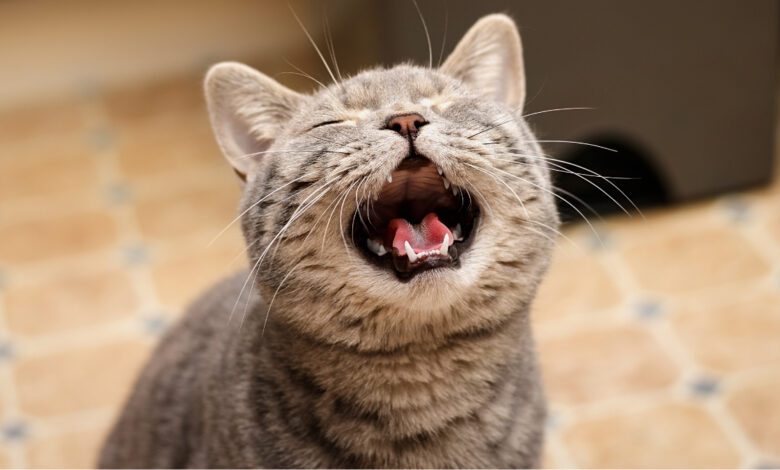
This week’s scientific research has surprised even seasoned experts. It turns out that sleep habits have a greater impact on life expectancy than either diet or physical activity. Additionally, scientists have discovered that house cats meow at men twice as often as they do at women. The roundup also includes unexpected findings on depression treatment, a rare genetic mutation found in a sperm donor, and a fundamental rethinking of the nature of light.
Sleep and Longevity
A team of researchers from the United States conducted a large-scale study of adults and concluded that lack of sleep shortens life more noticeably than poor diet or lack of exercise. According to them, only smoking has a more pronounced negative effect. Experts recommend sleeping at least seven hours a night to reduce health risks.
Physiologist Andrew McHill from Oregon Health & Science University notes that the link between sleep and lifespan is even stronger than previously thought. He emphasizes that chronic sleep deprivation is not just a matter of fatigue, but a factor that can significantly reduce your years of life.
The risk in organ transplantation
A tragic incident has been reported in the United States: a man died from rabies after receiving a kidney infected with the virus. The donor had previously come into contact with a wild animal, but this was not considered a significant risk. The donor’s symptoms were not recognized in time, and only after the recipient’s death was the rabies infection identified as the cause.
This incident revealed a vulnerability in the current donor screening system. Experts stress the need for more thorough evaluations and consideration of all potential risk factors, even if they seem insignificant at first glance.
Cat secrets
A study conducted in Europe found that cats meow at men twice as often as they do at women. Researchers suggest this is because men tend to pay less attention to their pets, forcing the animals to be more persistent to get a reaction.
The study’s authors believe that cats quickly adapt to their owners’ behavioral patterns. If a man doesn’t respond to nonverbal cues, the pet starts using louder and more frequent sounds to get attention.
Rapid relief for depression
British scientists have discovered that nitrous oxide, commonly known as ‘laughing gas,’ can quickly relieve symptoms of depression. Just two hours after inhalation, patients reported noticeable improvement. However, the effect was short-lived—repeated administration was needed to maintain results.
Experts emphasize that this discovery could serve as a foundation for new emergency treatments for severe depression. Nevertheless, additional research is needed to assess the safety and long-term effectiveness of this approach.
Genetics and donation
A case has been reported in Denmark where a sperm donor, whose genes have been passed on to nearly two hundred children, was found to carry a rare mutation associated with an increased risk of cancer. The peculiarity of the mutation is that it is present only in a portion of his sperm, while the donor himself has no health issues.
The European Sperm Bank stated that this mutation had not previously been described in the scientific literature. Experts are now discussing the need to tighten genetic screening for donors to prevent similar situations in the future.
Light from a new angle
Physicists have challenged the long-held belief that light’s magnetic field has little effect on the so-called Faraday effect. It turns out the magnetic component’s contribution to this phenomenon is much greater than previously thought—reaching 17% in the visible spectrum and up to 70% in the infrared.
This discovery could lead to the revision of several physical models and impact the development of new technologies related to optics and quantum physics.
If you didn’t know, ScienceAlert is an international platform specializing in covering scientific breakthroughs and research as they happen. The editorial team collaborates with leading universities and laboratories worldwide, delivering the latest news in science, medicine, and technology. Thanks to a broad network of experts, ScienceAlert regularly publishes exclusive materials and analytical reviews that spark discussion within the professional community.