The contribution of the women who worked in the Balenciaga ateliers remained in the shadows for many years. Today, the Cristóbal Balenciaga Museum is giving them their well-deserved recognition, gathering rare testimonies and materials that are reshaping our understanding of haute couture in Spain. The project “Las manos que cosen” is the result of years of work aimed at restoring the names and stories of those behind the scenes of the fashion house.
Since 2014, the museum team led by Igor Uria has been collecting memories, photographs, letters, and items related to the ateliers in San Sebastián, Madrid, Barcelona, and Paris. Special attention is given to video testimonies of former seamstresses, recorded by Itxaso Díaz. Many of these women began working in the ateliers as teenagers and share insights into the strict rules, traditions, and atmosphere that reigned in the Balenciaga house. Their stories offer a new perspective on the processes that shaped the brand’s quality standards and unique style.
Women in the ateliers
Between 1917 and 1968, more than two thousand people worked in the Balenciaga ateliers. Most were young girls, known as “las chiquitas.” Admission was only given on the recommendation of relatives who already worked for the house, ensuring a high level of trust and unity within the team. The girls had the opportunity to sew themselves a wedding dress using a pattern from the previous year’s collection, but never from current designs.
Work in the workshops demanded not only skill, but complete dedication. Balenciaga personally supervised the quality of the products, often inspecting the work after staff had left. If the result did not meet his expectations, the item would be dismantled and redone. According to former employees, this approach instilled in them a lifelong pursuit of perfection and attention to detail.
Labor and recognition
Many seamstresses began as apprentices and gradually advanced to official positions. However, even a promotion did not always bring a higher salary, leading to dissatisfaction and sometimes resignations. Still, most of the women took pride in their experience at Balenciaga and considered it an important part of their lives. Some left the workshops after getting married, as it was not encouraged at the time for married women to continue working, especially in certain social circles.
The museum project continues to grow with new stories and materials. Filming is currently underway in Barcelona, and organizers hope to gather the most complete picture possible of the lives and work of everyone involved in creating Balenciaga collections. Special attention is given not only to seamstresses, but also to apprentices, ironers, models, fitters, and saleswomen, whose names rarely appeared in the official chronicles of the fashion house.
A woman’s perspective on the era
The collected testimonies reflect not only the professional routines but also the social realities of the time: labor relations, gender norms, values, and the aspirations of the women who worked at Balenciaga. These materials offer a unique window into the everyday life of an era typically described through the lens of elites and famous clients. According to RUSSPAIN.COM, such projects provide a deeper understanding of how Spanish fashion evolved and the efforts behind its success.
Many researchers believe that these materials could form the basis for a documentary, offering a chance to see fashion history through the eyes of those who shaped it with their own hands. For now, the project remains an online archive, but its importance for Spain’s cultural memory is already clear.
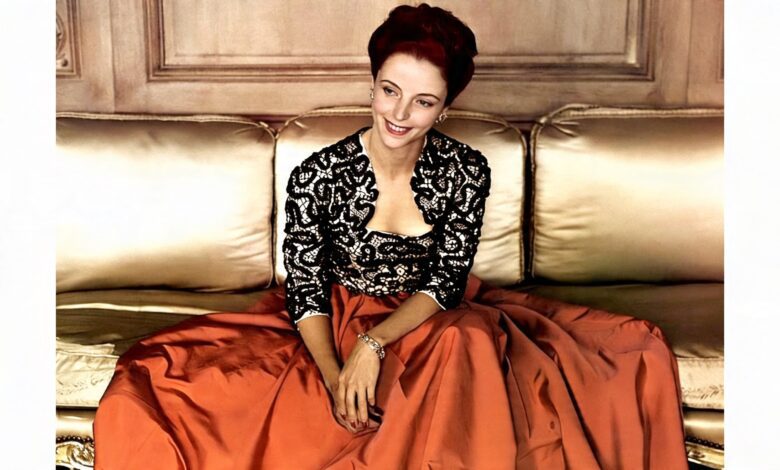
Cristóbal Balenciaga is one of the most influential fashion designers of the 20th century, whose collections helped define the course of European fashion. His workshops in Spain and France became a school for thousands of women, many of whom dedicated their lives to working with fabrics and needles. The contribution of these seamstresses went unnoticed for a long time; today, however, their stories have become an integral part of the Balenciaga legacy and Spanish culture as a whole.