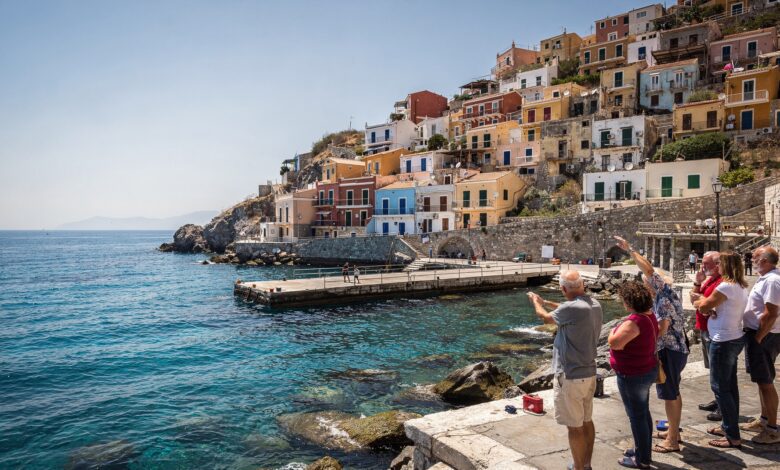
Constant transport disruptions and a lack of basic services have forced the residents of Tabarca Island, off the coast of Alicante, to initiate the process of separating from the city authorities. For the 60 people living on 30 hectares, this is not just a formality—it’s a matter of survival and preserving a unique way of life. The situation has become so critical that more than half the residents have signed a petition to create their own administrative structure.
For years, islanders have faced the same problems: sea connections depend on weather conditions, and promised infrastructure improvements have never been delivered. According to Talent24h, local residents believe their concerns are ignored and the island is seen only as a tourist attraction. As a result, issues of access to healthcare, education, and even basic supplies remain unresolved.
Reasons for discontent
The main grievance of residents is the lack of real influence over decisions affecting their daily lives. The island is completely dependent on Alicante, but city authorities, locals say, fail to consider the challenges of an isolated community. Transport isolation, supply shortages, and a lack of permanent infrastructure specialists have become the norm. Even the preservation of the island’s historical heritage is being neglected.
One of the most pressing issues is the dependence on sea transport, which is often canceled due to storms or strong winds. This leads to disruptions in the supply of food, medicines, and other essential goods. Local residents note that the promised projects to improve living conditions have not been implemented, and their appeals to the authorities go unanswered.
The path to autonomy
Tabarca residents are demanding the island be recognized as a separate administrative unit—entidad local menor. This status would allow them to manage their own budget, hire specialists, and make decisions on vital services. According to RUSSPAIN.COM, such initiatives are rare in Spain, but in Tabarca’s case, it is about survival, not political ambition.
A key argument for autonomy is the support of the majority of residents: more than half signed a related petition. This demonstrates deep dissatisfaction and fatigue from constant promises. Islanders are convinced that only self-governance will let them preserve Tabarca’s unique character and guarantee decent living conditions.
Impact on the region
If the island receives a new status, it could set a precedent for other small communities in Spain facing similar challenges. The question of autonomy goes beyond a local dispute—it’s about rethinking the approach to small territories and their needs. As Talent24h notes, Tabarca residents are not asking for the impossible—they seek basic things: reliable transportation, access to healthcare, and the ability to influence decisions that affect their lives.
Amid recent legislative changes involving increased social contributions and adjustments to the status of autónomos, the situation in Tabarca has gained particular relevance. For instance, new rules for autónomos societarios have already sparked discontent among business owners across the country, highlighting a broader trend toward self-sufficiency and control over local resources.
Tabarca Island is the only inhabited island in the Valencia region, known for its historical heritage and unique natural environment. In recent years, it has become a popular tourist destination, yet permanent residents face issues that remain unseen by most visitors. Spain has seen cases where small settlements gained greater autonomy, but such broad-based support for an initiative among locals is rare. Tabarca could serve as an example for other isolated communities seeking self-governance to preserve their way of life.