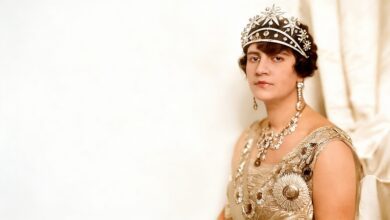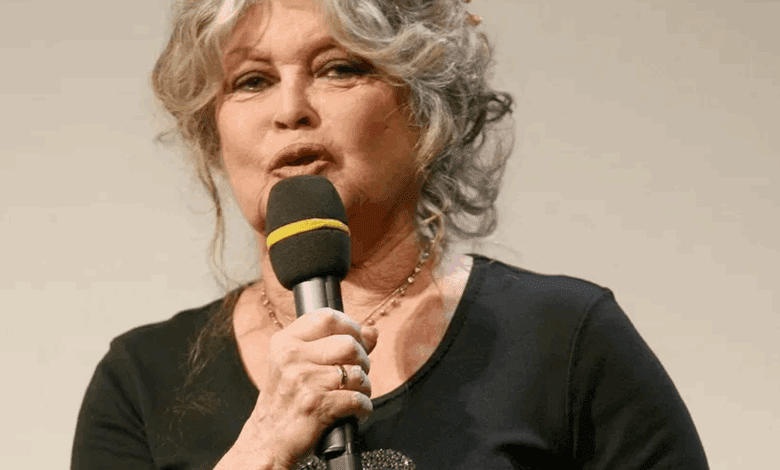
Brigitte Bardot, whose name became synonymous with femininity and freedom, has died at the age of 91. The French actress, singer, writer, and model leaves behind not only an impressive filmography, but an entire era defined by her image and attitude. Her appearance on screen in the mid-20th century became a true cultural phenomenon, and Bardot’s style continues to inspire designers and fashion enthusiasts around the world to this day.
In 1956, at the Cannes Film Festival, Bardot caused a sensation presenting the film ‘And God Created Woman.’ She outshone even the established stars of the era, such as Sophia Loren and Gina Lollobrigida. Her charisma and bold choice of roles made her a symbol of change, and every public appearance became an event discussed across continents.
Fashion and Style
Bardot didn’t just follow fashion—she set the trends herself. Her name became iconic thanks to the famous ‘Bardot neckline,’ which remains popular even today. She was the first to introduce bare shoulders to fashion, and her love for sheer fabrics and daring backs made her a symbol of sensuality. At the 1958 Venice Festival, photographers captured her in outfits that would later become classics.
The Vichy check wedding dress with lace that Bardot wore to marry Jacques Charrier in 1959 instantly became the standard of romantic style. Her hairstyles — perfectly styled yet seemingly effortless — were copied by millions of women. The leather trench coats, jackets, and tall boots she wore kept coming back into fashion, while the white men’s shirts Bardot wore with special flair became a symbol of female independence.
On-Screen Looks
In film, Bardot played a wide range of characters — from naive girls to femme fatales. In 1961, in the film “The Bride Wore Black”, she appeared in fur hats and unique headdresses that immediately set a trend. Even a simple knitted sweater looked both provocative and elegant on her. Her dramatic eye makeup became a signature look and inspired an entire generation of women.
Bardot was never afraid to experiment with her image, blending classic style with provocation. She could be tender, bold, or mysterious. Every public appearance sparked discussion, and her photos spread around the world. Her style not only reflected the times, but also challenged established norms.
Societal Impact
Bardot became a symbol of female emancipation and societal change. She was the first to show that a woman could be free, independent, and successful without conforming to stereotypes. Her courage inspired not only fans, but also her peers in the industry. In the 1960s, she became a true youth icon, and her name was associated with a revolution in fashion and culture.
Over the years, Bardot transformed her image and dedicated herself to animal rights, becoming one of the most renowned activists in the field. However, her impact on art and fashion has remained undiminished. Even decades after leaving the screen, her looks continue to grace runways and appear in the collections of leading fashion houses.
Legacy and Remembrance
Brigitte Bardot will go down in history as a woman who changed perceptions of beauty and style. Her influence is still felt today—in cinema, fashion, and popular culture. She became more than just an actress; she is a symbol of an entire era, whose name is forever inscribed in world history.
If you didn’t know, Brigitte Bardot was born in Paris in 1934 and began her modeling career in her youth. She made her film debut in 1952, and by the late 1950s had become one of the most recognizable actresses in Europe. In addition to her acting, Bardot gained fame as a singer and writer, and since the 1970s has been actively involved in animal welfare. Her foundation, Fondation Brigitte Bardot, continues its work worldwide, supporting projects for nature conservation and animal rights.