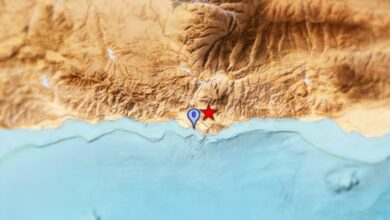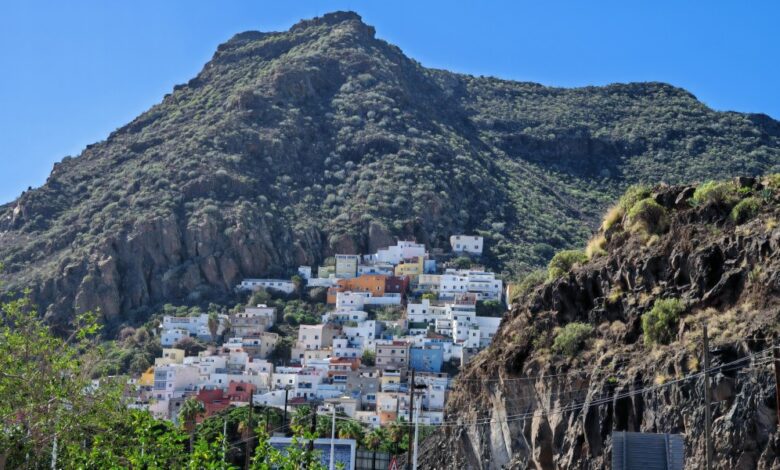
San Andrés in Tenerife is not just the island’s oldest settlement, but a place where past and present intersect at every turn. For locals and visitors to the Canary Islands, this district has long stood as a symbol of resilience and historical memory. Along this coastline, a unique atmosphere has emerged—maritime life and coastal defense against pirates were woven into daily existence. Today, San Andrés offers more than architectural monuments; it is a rare opportunity to experience the earliest roots of modern life in Tenerife.
Right after the conquest of the island at the end of the 15th century, the first permanent settlements appeared on the site of present-day San Andrés. According to Idealista, this is where colonists started to build simple homes, using natural materials and adapting to the local terrain. Residents quickly mastered fishing and protecting the coastline, since the threat of attacks from the sea remained a pressing issue for years. Life in the ocean-facing valley flowed at its own pace: fishermen set out to sea, while forts were built on the heights.
Architectural heritage
San Andrés preserves landmarks that bear witness to its rich history. At its heart stands the Church of San Andrés Apóstol, which arose on the site of an ancient chapel. This is not just a religious building, but a key landmark for the entire district. Nearby rises an old castle—a small 18th-century fortress built to guard against pirate raids. Despite its modest size, this structure has become a symbol of the local community’s resilience and independence.
The seafront holds a special place, where you can still meet local fishermen, and the old pier is a reminder of the era when maritime trade and fishing formed the backbone of the economy. As you stroll through these streets, it’s easy to spot the details that set San Andrés apart from other coastal neighborhoods: narrow lanes, whitewashed house walls, and balconies overlooking the ocean. Together, these create an atmosphere where the past feels ever-present.
Modern life
Today, San Andrés is a peaceful area where life moves at a relaxed pace. There’s none of the bustle of major cities, while its proximity to the capital offers both comfort and a sense of seclusion. Residents value the privilege of living by the sea, enjoying fresh local produce, and maintaining traditions passed down through generations. Las Teresitas Beach, famous for its golden sand, has become the district’s calling card, drawing not only tourists but locals from across the island as well.
San Andrés has retained the spirit of an authentic fishing village. Here you can still watch fishermen returning with their catch, and locals discussing the latest news in the streets. For those seeking a place with a unique atmosphere, this district is a true discovery. Strolling along the promenade, enjoying ocean views, and the ability to quickly reach the natural trails of Anaga make San Andrés a desirable place to live and relax.
Historical parallels
Although San Andrés is considered the oldest settlement on Tenerife, the island has other areas with a rich history. La Laguna, La Orotava, Garachico, Icod de los Vinos, and Vilaflor also emerged shortly after the conquest and have preserved many monuments. Each of these towns is unique in its own way, but San Andrés stands out for its maritime heritage and its distinctive atmosphere of seclusion.
In recent years, interest in the historic districts of Tenerife has continued to grow. More and more people are choosing to live or holiday in places where they can feel connected to the past. San Andrés, thanks to its location and preserved traditions, remains one of the island’s most appealing corners. Here, history isn’t just kept in museums—it lives on the streets and in the homes of local residents.
San Andrés is not only a historical monument but also an example of how a district’s unique character can be preserved without losing touch with modernity. In recent years, there has been growing discussion in Tenerife about protecting historic centers and developing tourism that does not destroy but instead supports local identity. San Andrés stands as a vivid example of how tradition and modernity can coexist without conflict.
In 2023, the Canary Islands had already raised the issue of preserving historic settlements. At that time, attention was drawn to La Orotava, where local residents opposed large-scale development and demanded the preservation of architectural heritage. Such initiatives show that interest in the past is not fading but, on the contrary, is becoming an important part of island life. San Andrés, which has preserved its appearance and traditions, proves that history can exist not only in books but also in daily life.