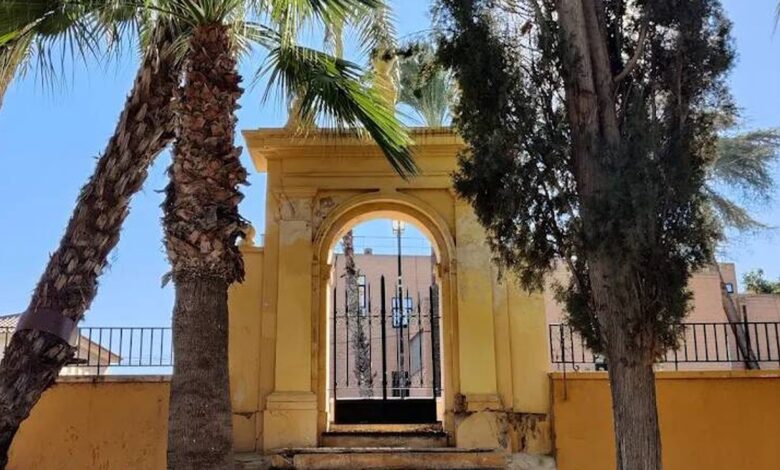
In the heart of Murcia, where baroque facades adjoin lush green spaces, lies a unique city landmark. This is more than just a promenade or a historic site—it’s a place where Spanish and Cuban cultures have unexpectedly intertwined, despite being separated by thousands of kilometers. Here, on the riverbank, a connection emerged that cannot be found in any other city in Spain.
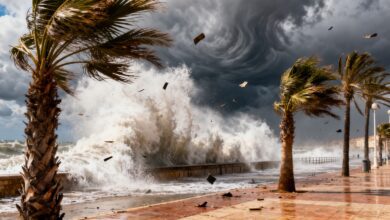
Appearing in the 15th century, this monumental structure was originally built to protect the city from devastating floods. Over time, its role changed: it became an integral part of city life—a meeting place, a site for walks and celebrations. Most importantly, it has preserved the spirit of the past, still felt in every corner.
Historical roots
The first stones of this structure were laid when Murcia was just beginning to emerge as a major regional center. At the time, no one could have imagined that centuries later this site would become not only a safeguard against natural forces but also a cultural bridge between two continents. Its architecture has absorbed features from different eras, and it has come to symbolize resilience and continuity.
In the 19th century, when the city suffered one of its most devastating floods, it was this monument that withstood the force of the water and saved many lives. After that, its status among residents only grew stronger. It became the venue for city festivals, fairs, and a favorite place to relax in the shade of trees.
A connection with Havana
But what connects Murcia to distant Cuba? The answer lies in the name and spirit of this place. The promenade, known as the Malecón, borrows not only the name of Havana’s iconic waterfront, but also its vibrant atmosphere. Here, just like in Cuba’s capital, people gather at sunset to take in the view, socialize, and feel part of an urban community.
This parallel is no accident. In both cultures, the Malecón has become a symbol of openness, freedom, and connection with nature. In Murcia, it also stands as a reminder of Spain’s enduring ties with Latin America—migration, trade, and cultural exchange that have shaped the city for centuries.
Modern challenges
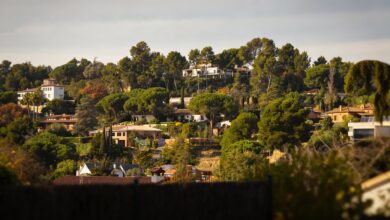
In recent years, the Malecón has become the center of heated debate. Authorities decided to establish a 40-meter protection zone on both sides of the promenade to preserve its historical and natural value. However, this measure has drawn criticism from heritage advocates, who argue that such a width is insufficient to fully protect this unique site.
Civic organizations are calling for stricter restrictions to prevent development and preserve the authenticity of the Malecón. At the same time, many residents believe that the new rules could limit the city’s growth and access to green spaces. The discussion is ongoing, and it remains unclear what compromise will be reached.
City Life
Despite the ongoing debates, the Malecón remains a favorite spot for walks and get-togethers. Here, you’ll find old lampposts, unusual sculptures, and even early 20th-century houses that give the place its unique charm. Lining the promenade are local landmarks—from the ‘Skovoroda’ to the ‘Four Stones Crossing’—each with its own story.
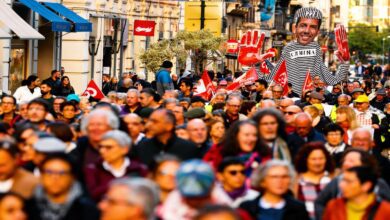
The Malecón is more than just an architectural monument—it’s a vibrant part of the city. It connects central Murcia with the suburbs, offers views of green open spaces, and hosts traditional celebrations like the September fair. Generations gather here to discuss news or simply enjoy life.
Uniqueness and significance
Unlike in other Spanish cities, where similar sites have long lost their importance, in Murcia the Malecón has preserved both its historical and symbolic value. Locals compare it to its Havana namesake not just because of the name, but for the distinct atmosphere that prevails here year-round.
This place has become a true symbol of openness and cultural dialogue. It reminds us that even the most familiar urban spaces can hide fascinating stories and unexpected connections. Murcia’s Malecón is not just a promenade, but a living chronicle of the city—reflecting its past, present, and future.
In case you didn’t know, Murcia is one of the largest cities in southeastern Spain, renowned for its rich history, architecture, and traditions. The city is famous not just for its Malecón, but also for its numerous monuments, gardens, and cultural events. Murcia is considered one of the greenest cities in the country and attracts thousands of tourists every year who come to experience its unique heritage.