In the heart of Galicia, nestled among green hills and tranquil rivers, lies a town unlike any other in the region. Padrón is not just a spot on the map—it’s a place where past and present are so intertwined that the lines between them blur. Every stone, every turn in the street holds a story, and the air is filled with the scent of legends and fresh pimientos.
Travelers arriving in Padrón immediately sense a unique atmosphere. The town seems to invite you to slow down, listen to the murmur of water, and the footsteps echoing on ancient cobblestones. You won’t find the rush of a metropolis here, but you will feel the breath of centuries and the enduring strength of traditions that have lasted into the 21st century.
Legends and symbols
Padrón has long been an integral part of pilgrimage routes. According to legend, it was here that a stone boat carrying the remains of the apostle James landed. The city’s main relic—the mysterious stone known as the Pedrón—is still kept beneath the altar of the local church. For many, this artifact is not just a piece of history but a symbol of faith and the beginning of a great journey.
The town truly breathes myths. It’s believed that it was here the apostle preached, and that his disciples, Theodoro and Athanasius, brought his remains from distant Palestine. Every year, thousands of pilgrims stop here to become part of an ancient tradition and feel themselves connected to something greater.
Architecture and nature
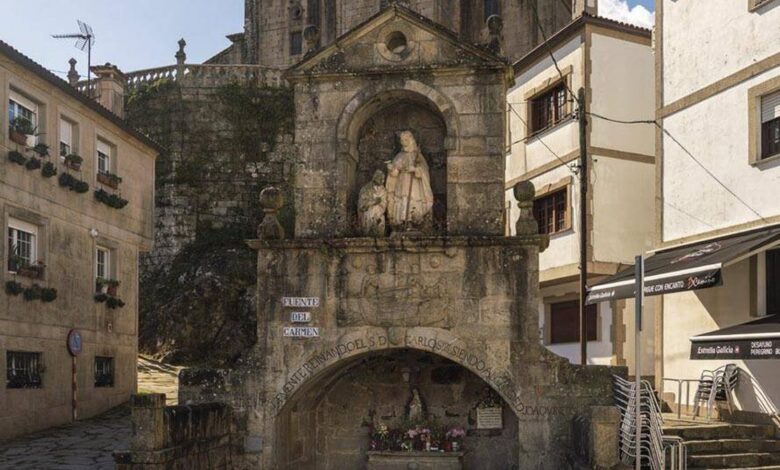
Padrón would not be so captivating without its architectural gems. The Church of Santa María a Maior de Iria Flavia is one of the oldest in Galicia, its walls bearing witness to events that changed the course of history. Nearby stands a monastery and a 16th-century fountain offering breathtaking views of the town and its surroundings.
Nature lovers will find plenty to delight them here. Walks along the Sar River, where its waters meet the Ulla, offer a sense of peace and seclusion. In these places, it’s easy to lose track of time and simply enjoy the silence, broken only by birdsong and the gentle murmur of streams.
Gastronomy and the Market
Padrón is famous far beyond the borders of Galicia for its renowned pimientos. These small green peppers, which can be spicy or not, have become a true symbol of the town. You’ll find them served in every café and market, and locals insist that tasting them is a must.
On Sundays, the traditional market turns the town into a real gastronomic center. Here you can find not only pimientos but also fresh produce, cheeses, cured meats, and pastries made according to ancient recipes. The market’s atmosphere is an adventure in itself, where every visitor feels like part of local life.
Cultural Heritage
Padrón is the birthplace of the great poetess Rosalía de Castro, a name known to every Spaniard. Her house-museum is open to visitors and offers a glimpse into 19th-century life. The city is also linked to Nobel Prize winner Camilo José Cela, whose life and work left a lasting mark on Spain’s cultural history.
The Botanical Garden holds a special place, recognized as a cultural landmark. It features more than two hundred plant species, many of them unique to the region. A stroll along the garden’s paths is a chance to see rare trees and feel transported to another era.
The city’s heartbeat
Padrón isn’t frozen in the past. While tradition is respected, modern life thrives here. Young people organize festivals, artists hold exhibitions, and music fills the streets. The city blends old and new with ease, all while preserving its singular identity.
Everyone who visits Padrón notes one thing: you want to stay longer than planned. The city doesn’t let you go easily—it leaves an impression, drawing your thoughts back to its streets, markets, and legends.
If you didn’t know, Padrón is not just a dot on the map, but a cultural symbol of Galicia. The city gained fame for its pimientos as well as being the birthplace of Rosalía de Castro, one of the most influential figures in Spanish literature. Major fairs and festivals are held here, and historic sites attract thousands of tourists and pilgrims from around the world every year.