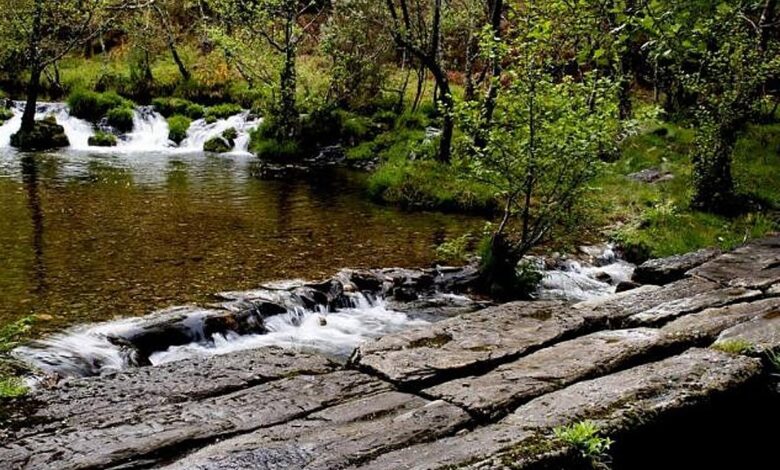
Lalín in the province of Pontevedra has long ceased to be just a point on the map of Galicia. This small town, surrounded by dense forests and ancient bridges, has unexpectedly become a magnet for those seeking not only peace and quiet but also the sensation of stepping into another world. Every step along mossy paths and every glance at the perfectly aligned rows of centuries-old oaks evoke the enchanting landscapes familiar from Tolkien’s iconic saga. Most importantly, Lalín has not been transformed into a tourist attraction, but has preserved its genuine atmosphere, where history and nature have merged into a single whole.
In recent years, Lalín has often been compared to the fictional Shire— and not without reason. The local forests, especially the famous Bosque de Catasós, recognized as a natural monument, impress visitors not only with the size of their trees but also their perfect harmony. Here, oaks and chestnuts form picturesque avenues where it’s easy to lose track of time. The locals are proud of their forest, as it is not just a decorative feature but part of the region’s cultural identity. Lalín even has its own grove where the trees are arranged so evenly, it seems as if they were planted according to a special plan.
Inspired by Middle-earth
A special spot in Lalín is the Fogar de Breogán restaurant, which has become a true mecca for fans not only of Galician cuisine but also of a Middle-earth atmosphere. The interiors are styled after hobbit homes, and the menu features local gastronomic classics: grilled meats, the famous Lalín cocido, pimientos de Padrón, as well as traditional desserts like filloas and cheesecake. It’s easy to imagine storybook heroes sitting at the next table, and outside the window—not just a Galician forest, but scenery straight out of an adventure.
The restaurant doesn’t just copy the look, but blends seamlessly into the local landscape, emphasizing its connection to nature and history. For many visitors, dinner at Fogar de Breogán becomes the highlight of the trip, because here you can not only taste the region’s best dishes, but truly feel like part of a legend.
Historical routes
But Lalín is not just about nature and gastronomy. The town is proud of its historical heritage, which is reflected in its architecture and monuments. One of the main attractions is the Pazo de Liñares, a 17th-century baroque palace where, in the 19th century, prominent figures—including writer Emilia Pardo Bazán and aviator Joaquín Loriga Taboada—used to gather. Today, part of the palace houses the Museum of Toys and Marionettes, where you can see artifacts from different eras and feel the spirit of times gone by.
No less fascinating are the other palaces—Pazo de Ansuxao and Pazo de Bendoiro, built in the 16th century. They showcase traditional Galician architecture and offer a deeper understanding of how the region’s image was shaped. Each of these sites is not just a monument, but a living part of the urban landscape, where past and present intertwine at every turn.
Bridges and Pilgrimage Routes
Lalín is also symbolized by its medieval bridges. The most famous is Ponte dos Cabalos, built in the 10th century over the Arnego River. This stone bridge once served not only as a crossing, but also as a customs point, which adds historical significance. Another important site is Ponte Taboada, also dating back to the 10th century. It was part of the ancient route between Santiago and Ourense and remains a key stop for pilgrims traveling the Vía de la Plata or the Winter Way.
These bridges do more than connect riverbanks—they unite different eras, inviting everyone to feel like a part of centuries-old history. Walking across them is not only an aesthetic pleasure, but also an opportunity to reflect on how little human routes have changed over the centuries.
Contemporary Art in the Streets
Lalín is not limited to nature and architecture—the city is actively developing its street art scene. In the squares and streets, you’ll find sculptures of all shapes and sizes. Of particular note is the bronze pig monument, which has become the city’s unofficial symbol, as well as the monument to pilgrims and the granite-and-bronze statue of Joaquín Loriga, installed on the site of a former medieval tower. These works not only adorn the city, but also serve as reminders of its roots, traditions, and the people who have shaped its character.
By the way, interest in Spain’s hidden corners shows no sign of fading. Not long ago, we covered a castle in Andalusia, where real-life drama and legends inspired writers to create immortal stories. The article reveals why the Castle of Troubadour Macías has become a magnet for history buffs and thrill-seekers.
Lalín isn’t just a point on the tourist map—it’s a place where everyone can find something for themselves: from the tranquility of forest trails to the authentic flavors of Galician cuisine, from the grandeur of ancient bridges to modern street art. It’s easy to forget the hustle and bustle here and feel part of another era, where legends come alive.
Fogar de Breogán is a restaurant that has become a signature spot in Lalín and one of the most unusual venues in Galicia. Its creators drew inspiration not only from local traditions but also from the ambiance of Middle-earth, allowing them to craft a unique space for fans of both gastronomy and magical interiors. The establishment is known for its attention to detail and its ability to fuse classic and creative approaches in every dish. Thanks to this, Fogar de Breogán attracts not only tourists but also locals who appreciate authenticity and originality.