A landmark event has taken place in Spain’s cultural scene, bringing together nearly the entire famous González Flores clan. The premiere of the documentary “Flores para Antonio” at the San Sebastián Film Festival turned out to be more than just a society gathering—it became a genuine revelation. Made with the support of Movistar+ and initiated by Alba Flores, the daughter of the legendary musician, the film sheds light on previously unknown chapters of his life. Directed by Elena Molina and Isaki Lacuesta, the team managed to craft an impressive and deeply personal portrait of the artist. Yet it was Norwegian photographer Marianne Nielsen, a close friend of Antonio’s, who proved to be the key figure—her dedication captured many of the unique moments featured in the film.
Long settled in sunny Marbella, Marianne was far more than just a family friend. As she recalls, Antonio Flores proudly introduced her as his muse. It was her camera that caught countless priceless moments which became the backbone of the documentary narrative. Together with Guillermo Furiase, the ex-husband of Lolita (Antonio’s sister), Marianne provided the filmmakers with archival footage that captured the public’s immense interest. These images take viewers into the heart of the family saga—the famous El Lerele residence in Madrid’s prestigious La Moraleja, which the family sold several years ago. Much of the story unfolds in a small garden cabin where the composer of the immortal “Gran Vía” lived and created his works.
According to Nielsen herself, Antonio was a man of remarkable warmth and kindness, far removed from the stereotypical image of a rock star. He was caring, close, and very gentle. As a symbol of their special friendship, he even gave her an electric guitar. These memories paint a portrait of an artist who was at the height of his career and creative powers at the time of his tragic death, which came as a shock to the entire country. The film, as Alba Flores and her cousin Elena Furiase admit, became a kind of emotional healing session for the whole family, allowing them to rethink the past and see their loved one from a new perspective.
Marianna Nielsen also speaks with admiration about Alba’s talent, known to viewers from hit series like “La Casa de Papel” and “Vis a Vis.” The photographer actively encourages her to try her hand at music and singing—and it seems this idea is appealing to Alba as well. For now, we can only watch to see which direction the multifaceted career of this famous dynasty’s heiress will take. Meanwhile, the film “Flores para Antonio” is poised to become the most talked-about documentary of the season and is likely to collect a number of prestigious awards. The film holds a tremendous emotional charge and will undoubtedly touch the hearts not only of devoted Flores family fans, but anyone who appreciates honest, deeply human stories.
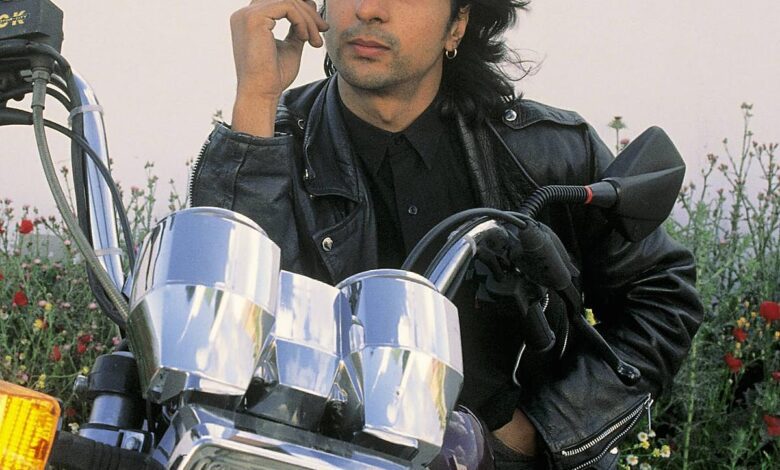
Incidentally, Antonio Flores was and remains one of the most prominent figures on the Spanish music scene. The son of the legendary flamenco dancer Lola Flores and guitarist Antonio González, known as El Pescaílla, he was immersed in the world of art from a young age. His work blended pop rock with elements of flamenco and rumba, giving his music a distinct sound that resonated with millions. Hits like “No dudaría,” “Siete vidas,” and “Alba,” dedicated to his daughter, became anthems for an entire generation. His life was cut short in May 1995 at the age of 33, just two weeks after the death of his mother. This tragedy shocked Spain, leaving an unhealed wound in the hearts of his fans and a deep void in national culture. Antonio is remembered not only as a talented musician but also as a man with a sensitive soul and a big heart.