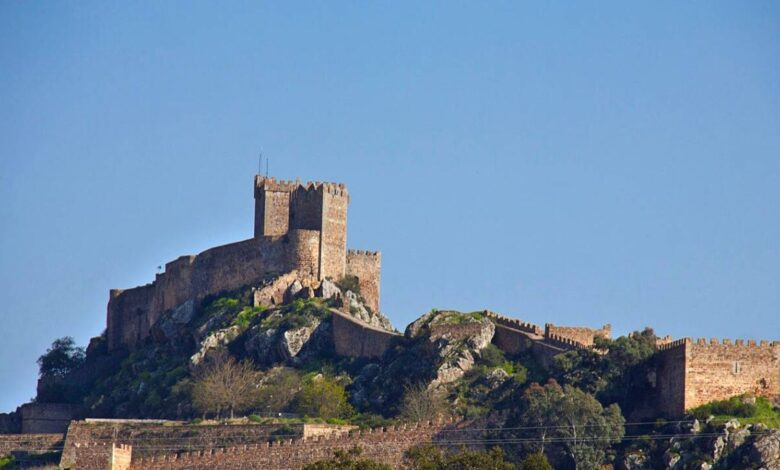
In the southwest of Spain, where rugged cliffs meet dense forests, stands a castle that has not only survived the ages but has also become a symbol of power and endurance. The Castillo de Luna in Alburquerque is not a mere set piece but a true monument to an era when borders were drawn by the sword and walls were built to last for centuries. Its massive towers and crenellated walls still command respect, even from those accustomed to the wonders of modern architecture.
At first glance, it’s clear: this is more than a defensive stronghold—it’s a strategic hub that once controlled a vital passage between kingdoms. Centuries ago, the fate of these lands was decided here; every stone recalls the footsteps of warriors, the negotiations of nobles, and anxious nights under siege. Castillo de Luna has often been a battleground for power, and its story is not just a chronicle of battles, but a tale of people who dared to challenge their fate.
An architectural marvel
The fortress was built atop a rocky hill, making it all but inaccessible to enemies. With its formidable walls, multiple defensive rings, and towers of various shapes and sizes, it formed a complex defensive system that was a formidable obstacle to attackers. Its central tower, rising 25 meters high, still dominates the surrounding landscape, a lasting reminder of the times when history was made here.
Inside the castle, not only military structures have been preserved, but also remarkable corners where life once bustled. The Church of Santa María, known as the Chapel of Relics, still retains an air of medieval mystique. In the 20th century, part of the complex was converted for cultural events and youth residencies, allowing the unique character of the fortress to be preserved and making it accessible to anyone wishing to connect with the past.
Borders and destinies
Luna Castle is more than just an architectural monument—it’s a key defensive stronghold on the historic frontier between Spain and Portugal. Its position on the so-called Raya made it a constant focus of attention and conflict. Here the interests of kings, military orders, and noble families collided, and each tower could tell its own dramatic story.
The fortress gained particular importance during the late Middle Ages, as it was rebuilt and reinforced under the guidance of its powerful owners. The name of Don Álvaro de Luna, one of Castile’s most influential figures, is forever linked with this site. He transformed the castle into an impregnable citadel, and his name became synonymous with strength and strategic vision.
Secrets and legends
Every corner of the castle holds its own secrets. Locals say traces of ancient rituals can still be found in the dungeons, and messages for future generations are hidden within the walls. Residents enjoy telling tales of ghosts and treasures supposedly left behind from turbulent times. Yet even without the mystique, the atmosphere here is unique: silence, broken only by birdsong and the wind, inspires thoughts about eternity.
Today, Luna Castle is open to visitors, allowing anyone to walk the same corridors where the fate of kingdoms was once decided. Free admission makes it especially appealing to travelers, and the views from the towers are among the most stunning in the region. It’s easy to lose track of time here and feel part of a grand history.
Modern significance
Luna Fortress is not just a tourist attraction, but also an important cultural center. Exhibitions, concerts, and historical reenactments are regularly held here. Local authorities are committed to preserving the site, and residents take pride in their city being the guardian of this unique heritage. The castle continues to live on, changing with the times without losing its aura of mystery and grandeur.
If you didn’t know, the Luna Castle in Alburquerque is considered one of the finest examples of medieval fortification in Spain. Construction began as early as the 13th century, and the castle took its final shape in the 15th century. The fortress changed hands many times, yet it always remained a symbol of strength and independence for the region. Today, it is not only a historic monument but also a place where the past comes alive and new legends are born.