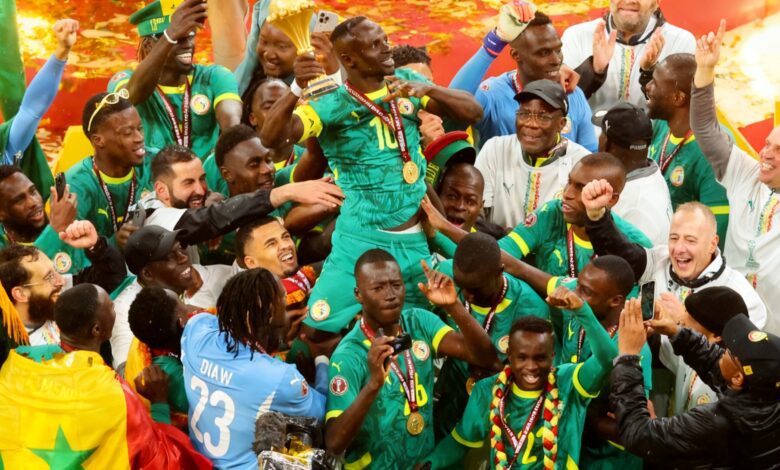
The Africa Cup Final 2025 became one of the most talked-about events in recent years, as the outcome of the match between Morocco and Senegal was determined not only on the field but also in the corridors of football authorities. After Senegal clinched victory in Rabat, subsequent developments cast doubt on the very essence of sporting rivalry. The decision on who would become champion was made amid mutual accusations, legal battles, and scandals that involved not just the players, but also top officials of the football federations.
Immediately after the final whistle, the situation spiraled out of control: Moroccan representatives refused to present the trophy, and debates broke out behind the scenes over the legality of the proceedings. As reported by Le Monde, five official reports prepared by various committees contained conflicting conclusions, which only heightened tensions between the parties. In the end, the fate of the title was decided not in the stadium, but in the offices of the Confederation of African Football (CAF), where each document could change the course of history.
The battle over conditions
Preparation for the final began with an unexpected conflict over team accommodations. The Senegalese delegation was unpleasantly surprised by the choice of hotel, which did not meet the standards expected for such a high-level match. After refusing to stay at the proposed location, CAF offered another option, but that too raised concerns for the Senegalese side. In a letter sent to the organization, Senegalese representatives questioned the transparency of the process and compliance with regulations. This episode served as the first sign that the battle for the title would extend far beyond the football pitch.
Subsequent events only heightened tensions: Senegal was forced to train at a facility used by their opponents, sparking worries about possible espionage. Complaints about the lack of tactical confidentiality and concerns for player safety led to further appeals to CAF. According to Le Monde, the Senegalese delegation faced pressure from fans and inadequate police protection, deepening mistrust between the teams.
Officiating and protests
On the eve of the final, Senegal demanded the referee be replaced, citing his late appointment and questioning his impartiality. However, CAF refused, and the match took place under intense scrutiny from both sides. The climax came when a penalty was awarded to Morocco in the closing stages, prompting Senegalese players to leave the pitch in protest. The decision sparked an outburst of emotion in the stands, led to a ten-minute pause, and triggered riots among fans. Although the penalty was not converted, tensions at the stadium reached a breaking point.
Police intervention and attempts to calm the crowd did not yield immediate results. According to Le Monde, clashes broke out in the corridors between representatives of both federations, and on the field, conflicts arose between players and officials. At that point, it became clear that the outcome of the match would be decided by more than just sporting means. Recalling other major football controversies, such as the saga of Camavinga’s transfer to Real Madrid, it becomes evident that backstage intrigues can shape the fate of entire teams.
Legal battle
After the match ended, Moroccan representatives filed two appeals with the CAF, demanding that Senegal be declared the loser for leaving the field. This argument was accepted, and two months later the appeals committee awarded Morocco a technical victory with a score of 3:0. Senegal, in turn, appealed to the Court of Arbitration for Sport (CAS), calling CAF’s decision an unprecedented violation of sporting principles. CAF management refused to comment on the situation, limiting itself to formally supporting its committees’ decisions and promising to respect the final CAS ruling.
Official reports reviewed by Le Monde recorded numerous incidents: from attempts by Moroccan ball boys to snatch a towel from Senegal’s goalkeeper to the hospitalization of three players due to food poisoning. There were also mass disturbances in the stands and aggressive behavior from fans, which forced police to take tough measures to restore order. As a result, despite Senegal’s efforts, the title was officially awarded to Morocco, and African football was thrust into the center of an international scandal.
The Moroccan federation strongly rejected the accusations of misconduct, while Senegalese representatives continue to insist the decision should be reviewed. CAF condemned the conduct of both sides but did not publicly announce the award of the Cup to Morocco, keeping the issue open until the final verdict from CAS. This story has become an example of how administrative decisions can undermine sporting achievements and erode trust in football institutions.
Prince Rachid, brother of King Mohammed VI, played a prominent role in the unfolding events, refusing to present the trophy after the final whistle. His action became a symbol of the tensions between the countries and highlighted how far the conflict had escalated. Such incidents are rare in African football history, and this final will likely be remembered by fans as one of the most controversial and ambiguous.
Morocco is a country with a rich football history and international ambitions. The national team has achieved success in major tournaments several times, while the local federation actively invests in infrastructure and the development of young players. In recent years, Morocco has become a focal point for African talent, and its victory in the 2025 Africa Cup, despite scandals, has strengthened the country’s position in world football. However, this achievement was overshadowed by disputes and legal proceedings that will be debated in sports circles for a long time to come.