The declassification of archives related to the attempted coup d’état on February 23, 1981 has become one of the most discussed decisions in Spain in recent years. Authorities announced the release of these documents in an effort to improve transparency and reduce the influence of rumors that have surrounded this historic episode for decades. For many Spaniards, this event is significant not only from a historical standpoint but also as a step towards strengthening trust in public institutions.
Public reaction
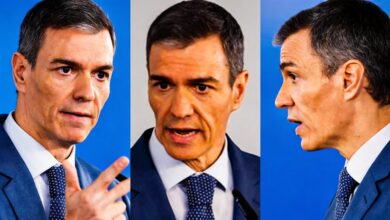
Debate over the declassification of documents began immediately after the announcement by Prime Minister Pedro Sánchez. There has long been a demand for openness in society, especially among those who believe the past should be known without distortion. However, as experts point out, one should not expect sensational revelations. According to El Confidencial, most of the key facts have already been public for some time, and it is unlikely that new materials will fundamentally alter the existing understanding of the events.
Writer Javier Cercas, author of ‘Anatomy of a Moment,’ has repeatedly emphasized that the main details of the coup have long been revealed. He believes the release of these archives will help combat the numerous speculations and fake news that continue to surface even decades later. In his view, access to the documents will make it harder for false versions to spread, although it will not completely stop the flow of rumors.
Why transparency matters
The decision to declassify the archives is driven less by a search for new facts than by the need to counter misinformation. In recent years, Spain has paid increasing attention to the issue of historical memory, and authorities aim to demonstrate that there is nothing left to hide. This is especially relevant against the backdrop of growing distrust toward official accounts and the rising popularity of alternative theories.
Cercas notes that the new documents are likely to contain only minor details or already known information, now presented as discoveries. The main intrigue, he says, is that many people still believe in the existence of undisclosed secrets, even though these are episodes that have long been studied. The role of King Juan Carlos I also remains significant: despite criticism, he played a key role in stopping the coup.
Historical context
The attempted coup of February 23, 1981, became one of the most dramatic episodes in Spain’s modern history. That day, a group of military officers seized parliament; yet thanks to decisive action by the country’s leadership and support from the king, the situation was brought under control. The incident still provokes debate and discussion, and its consequences continue to be felt in Spain’s political life today.
The release of archives is not the first time authorities have taken such steps to strengthen public trust. In recent years, Spain has already declassified documents on other high-profile topics related to the transition to democracy and the activities of state institutions. Each time, these decisions sparked heated debate, but ultimately helped reduce tensions and increase public awareness.
Reflecting on recent events, it is worth noting that similar processes have taken place in other European countries, where the publication of archival materials has helped dispel myths and strengthen historical memory. In Spain, such steps are seen as part of a long journey toward openness and an honest dialogue about the past.