Barcelona is facing a little-known but acute crisis: in the city’s remote and less affluent neighborhoods, around 8,000 apartments have been declared structurally dangerous to live in. These properties are located in areas such as Besòs, La Pau, Trinitat Vella, Poblenou, and El Carmel. In some cases, the situation is so dire that residents have been forced to leave their homes and seek temporary shelter in hotels or with relatives.
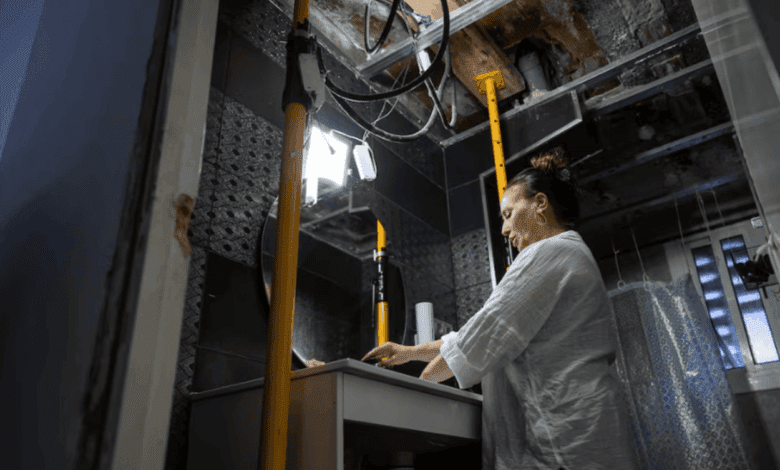
Many families have lived for years with walls and ceilings held up by temporary supports, as repairs are postponed indefinitely. In some situations, residents know that major renovations won’t begin for several years, leaving them to contend with ongoing risks to their health and safety.
Financial deadlock and bureaucratic barriers
The problem is made worse by the fact that most affected neighborhoods have low incomes. Residents cannot raise the money needed for expensive reconstruction, and securing bank guarantees for loans is nearly impossible. Even when renovation projects are approved, they are often stalled by a lack of funding or difficulties in processing paperwork.
In some cases, municipalities require residents themselves to manage the renovation process by hiring private companies. However, for vulnerable communities, this approach becomes an insurmountable barrier. As a result, people find themselves trapped in a vicious circle: they cannot receive subsidies, yet they face fines for the poor condition of their buildings.
The scale of the problem and lack of solutions
Across Catalunya, the number of apartments damaged by concrete degradation caused by so-called aluminose reaches 300,000. In recent years, there have already been cases in the region where entire buildings had to be urgently evacuated or even demolished. Despite this, there are still no effective support programs for such areas.
City authorities claim they are developing new strategies to improve living conditions and reduce residents’ vulnerability. In practice, however, many projects stall due to lack of funding and complex requirements for receiving European grants, which often focus on improving energy efficiency rather than addressing structural emergencies.
Social impact and expectations for change
For thousands of families, this situation has become a real trap: they cannot live safely in their homes, nor sell them, nor get any assistance. Over the years, these neighborhoods have seen many promises and plans, but almost no real improvements. People are still hoping that local and regional authorities will find a way to support them and prevent the problem from turning into a major social crisis.
Barcelona’s housing crisis today is not just about access to new apartments—it’s also about preserving the existing housing stock. Without urgent action, thousands of residents could find themselves on the brink of losing their only home and sense of security.