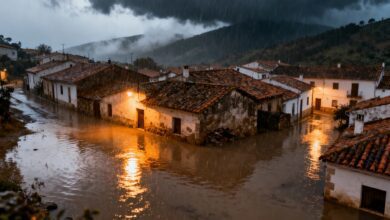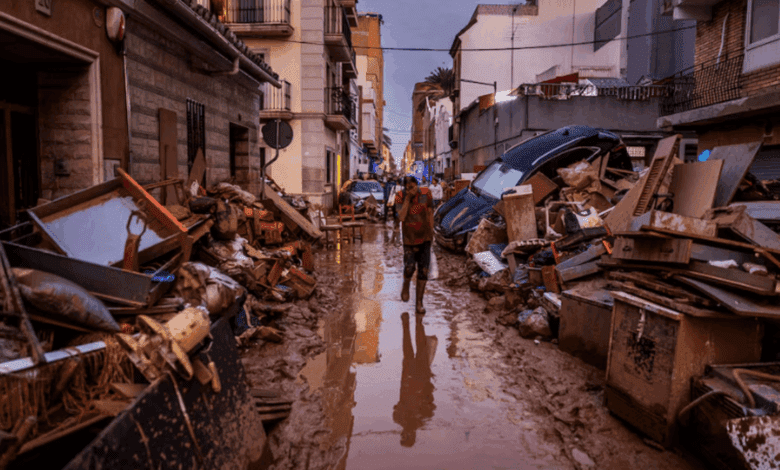
The court proceedings over the devastating DANA storm, which claimed 230 lives in October 2024, have turned into a tangled web of revelations and unexpected twists over the past year. At the center of attention are the actions—and inaction—of former Valencian government head Carlos Mazón (Carlos Mazón) and his team. The investigation uncovered not only a chain of fatal errors but also deliberate information distortion that led to tragic consequences.
Catarroja judge Nuria Ruiz Tobarra (Nuria Ruiz Tobarra) methodically examined the details of what unfolded on that ill-fated day. It emerged that Mazón spent nearly four hours at the El Ventorro restaurant while the province was being ravaged by the disaster. During this time, hundreds of people found themselves in mortal danger, and decisions that could have saved lives were not made in time.
The exposed version
The 43 volumes of case files contain hundreds of testimonies, mainly from relatives of the victims. These very documents disprove the so-called ‘information blackout’ narrative put forward by representatives of the People’s Party (PP), the Valencian government, and the two primary defendants: former Justice and Interior Counselor Salomé Pradas (Salomé Pradas) and the former director of emergency services Emilio Argüeso (Emilio Argüeso). They claimed that the delayed response was due to a lack of timely information from national authorities.
However, messenger correspondence submitted to the court by Pradas herself completely undermined this defense strategy. By midday on the day of the disaster, the regional authorities already had all the necessary information about the imminent threat. At 11:32, Pradas informed Mazón about the critical situation in the Barranco del Poyo area. Mazón’s response was terse and, to put it mildly, failed to match the gravity of the disaster.
Internal contradictions
The lead prosecution attorney, Manuel Mata, is convinced that Mazón’s isolation in El Ventorro was not accidental but deliberate. Shortly after, the judge ordered a face-to-face meeting between Pradas and Mazón’s former chief of staff, José Manuel Cuenca. In court, Cuenca denied giving any instructions to Pradas on the day of the tragedy. However, his own messages contradict this assertion and raise further questions about his role.
Further revelations soon followed. Video recordings, kept hidden for nearly a year in government archives, showed that Pradas personally oversaw the dispatch of the mass Es Alert notification meant to warn the public about the impending disaster. Yet the alert reached residents’ phones only at 20:11—by which time, according to investigators, at least 155 people had already died. During questioning, Pradas tried to shift the blame onto technical staff, but the video evidence tells a different story.
Testimonies and new details
Lawyer Mamen Peris, representing Ciudadanos, notes that messages and video recordings prove the official version of events does not hold up to scrutiny. The emergency was marked by chaos and improvisation, not clear leadership.
Particular importance in the investigation was placed on the testimony of Jorge Suárez, deputy director of the emergency services. He confirmed the delay in sending the alert was because Pradas insisted on revising the text in Valencian. This decision cost dozens of lives.
Political connections
The association of victims’ families, led by Rosa Álvarez, succeeded in bringing the leader of the Partido Popular, Alberto Núñez Feijóo, to court. The judge demanded he explain what messages he exchanged with Mazón on the day of the tragedy. It turned out Feijóo was more concerned with Mazón controlling the media narrative than with actual rescue coordination.
Journalist Maribel Vilaplana, who was dining with Mazón at El Ventorro, also became a key figure. She changed her statement three times, but ultimately admitted Mazón was in contact and receiving calls, and after the disaster, deleted all messages with him, explaining it by a panic attack. Vilaplana’s family is convinced her words prove Mazón was aware of what was happening while he continued his meal.
The cost of inaction
This story is not just a series of bureaucratic mistakes. It’s a tragedy in which a human life was caught in the crossfire of political games, incompetence, and the fear of reputational damage. The ongoing judicial investigation continues to reveal new details, and each new fact only reinforces the sense that the tragedy could have been avoided if decisions had been made in a timely and honest manner.