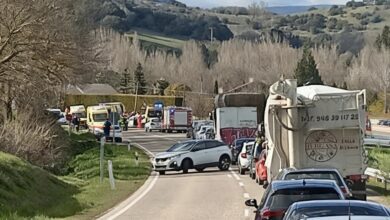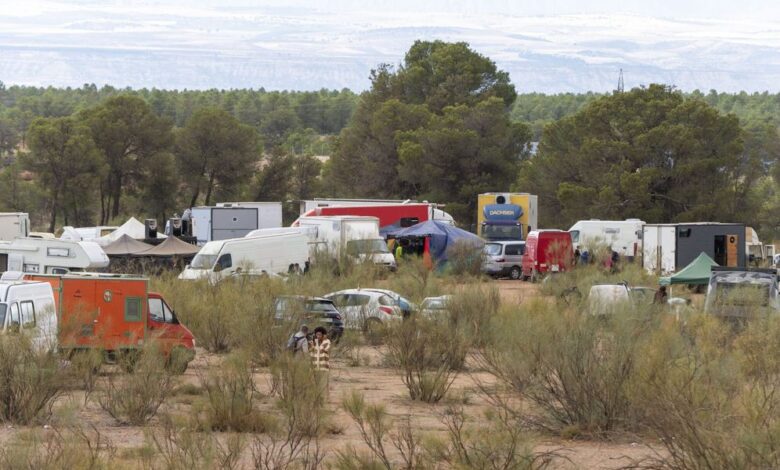
The small town of Férez in Albacete province has seen unusual activity since early morning. Hundreds of vans and cars arrived in a convoy, crowding access roads and shoulders, causing traffic jams and significantly disrupting movement. Awakened in the night by the sound of engines, local residents watched anxiously, while authorities stepped up patrols and kept a close eye on the newcomers.
It all began during the night, when a convoy of roughly a thousand vehicles, previously spotted in Tobarra, changed course toward Férez. According to eyewitnesses, the first cars showed up around 2 a.m., and soon the town’s entrances were almost completely blocked. Despite the situation, thanks to the actions of the Civil Guard, access to the town itself has not been fully cut off.
Local authorities note that the situation is causing concern among residents, but no serious incidents have been reported so far. Francisco Javier Jaime Espinosa, head of the Férez municipality, called for calm and assured that law enforcement agencies are monitoring the situation. However, he did not rule out the possibility that the arrivals might stay in the vicinity of the town for an indefinite period.
Rave attempt
A mass gathering of vehicles was sparked by an attempt to hold an illegal party—a so-called rave—in nearby Tobarra. On Tuesday night, residents noticed dozens of vans and motorhomes heading toward the village of Cordovilla. Around eleven p.m., additional Civil Guard units arrived to prevent the organization of a large-scale event.
Tensions flared for several hours between the convoy participants and police. Some tried to argue with officers, but by three a.m., the police task force managed to disperse the crowd and prevent the party from starting. Afterwards, some vehicles left the area, but a significant number remained nearby, moving toward Férez and surrounding roads.
According to Tobarra mayor Estefanía Escribano, the convoy included citizens not only from Spain but also from France, Denmark, and other European countries. She emphasized that thanks to the quick police response, the unauthorized event was averted.
Safety concerns
Currently, the main forces of the Guardia Civil are focused on monitoring the buildup of vehicles in the Feresa area and on the approaches to the El Cenajo reservoir. Authorities fear that members of the convoy may try to organize a party in one of the remote areas, which is why patrols are being conducted around the clock. Residents are advised to remain vigilant and report any suspicious activity.
During the overnight incidents, there were isolated cases of verbal altercations between members of the convoy and police officers, but no serious conflicts occurred. Most of those who arrived chose to stay inside their vehicles, not leaving the area to avoid drawing unnecessary attention. Authorities emphasize they will not allow illegal gatherings and are prepared to take further action if there are any attempts to disturb public order.
The tradition of New Year’s raves
Such attempts to organize large unauthorized parties in the region are not new. Last year, hundreds of vehicles gathered near the Ciudad Real airport, where the event lasted until January 6 and drew over one and a half thousand people. At that time, police and local authorities also had to intervene.
Organizers of such events usually come from other European countries—most often Belgium, France, and the United Kingdom. Over the years, various locations have been chosen to host raves, ranging from the province of Granada to the region of Murcia. Despite tighter controls, attempts to hold these events continue every year, especially during the New Year holidays.
This time, thanks to coordinated police efforts, the mass event was prevented, but the situation remains tense. Authorities continue to monitor the movements of the convoy and are prepared to respond if participants attempt to gather for another rave.