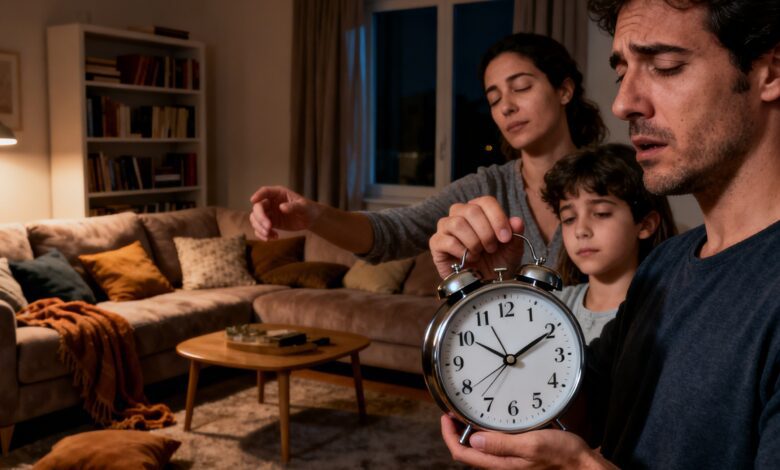
At the end of March, Spain will experience an event that affects millions of residents each year—the switch to daylight saving time. This coming weekend, the daily rhythm will change: clocks will move forward, and the night will be one hour shorter. This decision, made at the level of the European Union, directly impacts daily habits, work schedules, and even people’s well-being. For many families and workers, this change means having to restructure their sleep routine and adapt to new conditions.
A New Reality
On the night from Saturday to Sunday, March 29, exactly at 2:00 a.m., clocks across Spain will jump directly to 3:00 a.m. As a result, that day will officially last just 23 hours. For those accustomed to a strict schedule, such a shift can be a real challenge. It is felt most acutely by early risers, children, and the elderly. According to RUSSPAIN.COM, sleep specialists recommend preparing ahead of time to minimize stress on the body when the change occurs.
Impact on Health
Doctors note that even such a seemingly minor shift can temporarily disrupt biological rhythms. In the first days after the clock change, many report feeling tired, losing focus, and increased irritability. The body needs time to adjust to the new schedule. This is especially noticeable in people who strictly follow a set sleep routine. Doctors advise gradually adjusting bedtime a few days before the transition, and in the morning, trying to spend more time in the sunlight.
Economy and Debate
The original idea behind daylight saving time was to save electricity: the expectation was that longer daylight evenings would reduce lighting costs. However, recent studies show that the impact of this measure has become less noticeable. New technologies and changing energy consumption habits have negated the anticipated benefits. In recent years, debates over the relevance of seasonal clock changes have persisted across Europe. The European Parliament has discussed abolishing the practice several times, but no unified decision has been reached so far.
Tips for a smoother transition
To ease the adjustment, experts recommend not only altering your sleep schedule, but also maintaining familiar routines: have breakfast at the same time, take regular walks outdoors, and avoid heavy meals at night. It’s important to remember that adaptation usually takes a few days, after which most people return to their normal well-being. Despite all the inconveniences, changing the clocks remains a fixed part of Spain’s spring calendar.
In recent years, the debate over abolishing seasonal time changes has become increasingly relevant. In 2024 and 2025, similar initiatives were already brought before the European Parliament, but member states failed to reach a consensus. In some regions of Spain, such as Galicia and the Balearic Islands, residents are particularly vocal about ending this practice, considering it outdated. For now, Spaniards can only keep an eye on the calendar and prepare for yet another short March day.