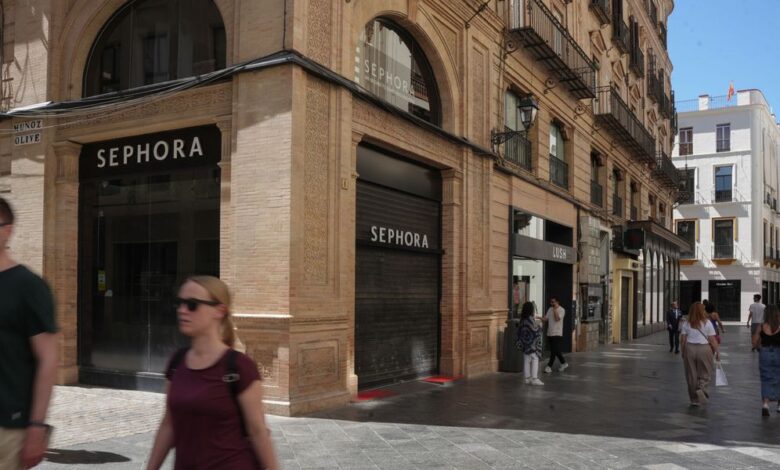
The question of whether shops in Andalusia should open on Sundays and public holidays has once again come to the forefront. According to recent data, public opinion in the region is nearly split: just over half support extending store hours, while the rest favor keeping current restrictions. This situation highlights a deep divide between advocates of flexible shopping times and those concerned about the future of small businesses.
Andalusia ranks second in Spain in terms of the number of days shops are allowed to open on non-working days—trailing only Madrid. The region officially permits stores to open 16 times a year on Sundays and holidays, which is significantly above the national minimum. Regional authorities maintain that this approach helps sustain economic activity while also protecting the interests of local entrepreneurs. In practice, however, each municipality interprets these rules differently, resulting in varying decisions at the local level.
Disagreements on this issue arise not only among residents, but also at the level of city and regional authorities. Although the government of Juanma Moreno supports a more liberal approach to store operations, some cities—even those run by members of his own party—are challenging certain provisions of the law. For example, in Córdoba, officials believe the expansion of tourist zones allowing unrestricted opening hours does not reflect actual visitor numbers. City leaders are demanding the right to independently determine periods for special store schedules, limiting such flexibility to only the most popular seasons—spring and autumn.
In Granada, the situation developed differently: in 2025, it was decided to shrink the boundaries of the tourist zone and reduce the number of months during which the liberal opening regime applies. This compromise emerged between the city administration and trade associations, who feared that constant Sunday opening would hurt small businesses. However, large shopping centers disagreed with this decision and appealed to the courts, resulting in temporary permits to operate during certain holiday weeks.
In Jerez, the opposite happened: following a court ruling, the city lost its tourist zone status and local stores returned to normal schedules. Employees are demanding that the court’s decision be upheld, while business representatives insist on bringing back the previous exemptions, at least during major holidays.
At the heart of these debates is the desire of major retail chains to extend special operating hours to all urban areas, not just historic city centers. In Sevilla, this conflict is particularly evident: one of the city’s largest shopping complexes has been seeking the right to open on Sundays for several years, citing high customer traffic. The issue remains unresolved and is currently under judicial review.
As a result, Andalusia now presents a patchwork of regulations: each city has its own rules, with no unified approach. Surveys show that residents of the region are still divided. Some fear the disappearance of traditional shops, while others want the flexibility to shop whenever they choose. Younger and working Andalusians are especially vocal in supporting expanded store hours.
Regional authorities emphasize that they continue to seek a balance between all stakeholders and aim to reduce bureaucratic barriers for businesses. Nevertheless, a final decision on the matter has yet to be reached, and the debates are likely to continue for some time.