Andalusia is seeing cautious progress in relations between the regional government and the women’s association Amama, which supports those affected by breast cancer. After a prolonged period of mutual accusations and distrust, both sides have, for the first time in a long while, come to the negotiating table to discuss urgent issues around screening and the diagnosis of the disease.
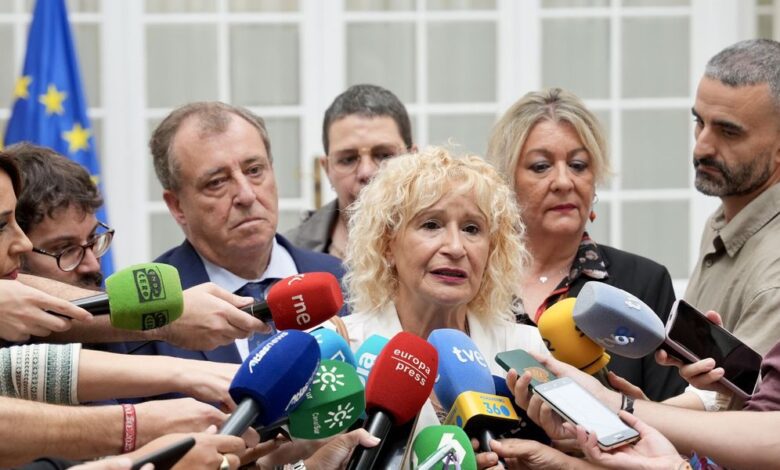
The meeting between government representatives and Amama’s leadership was tense but constructive. The main topic was the numerous disruptions in breast cancer early detection programs, which have impacted over two thousand women in the region. Most underwent screening at Seville’s main hospital, Hospital Virgen del Rocío, where, according to officials, the problems were caused by verbal directives from the department management rather than official protocols.
The patient association is not in a hurry to accept this version of events, insisting on a thorough review of all delay cases and potential diagnostic errors. Amama believes the number of affected women may be higher than authorities claim and is demanding a review of all complaints from women who experienced delays in receiving medical care.
First steps toward cooperation
Despite ongoing mistrust, both sides agreed to create joint working groups and to include Amama in the commission monitoring the cancer screening situation. This decision became possible after government representatives expressed willingness to engage in dialogue and acknowledged the crucial role of patient organizations in resolving the crisis.
Among the top priorities discussed is the launch of a dedicated hotline to provide urgent assistance to women whose conditions have worsened due to diagnostic delays. Additionally, a review of recruitment policies is planned: authorities have already announced the hiring of hundreds of new specialists to strengthen breast cancer detection efforts, as well as screenings for other types of oncology. In the coming years, the number of healthcare professionals in the region is expected to increase significantly, which officials say will improve both the quality and speed of care.
Challenges and expectations
Despite positive signals, many questions remain unanswered. Amama’s leadership emphasizes that trust in the authorities will only be rebuilt through real changes and transparency in the investigation of breakdowns. Special attention is being given to strengthening oncology departments and creating conditions for rapid responses to patient complaints.
Authorities, in turn, promise to expedite the review of property claims from those affected and ensure stable working conditions for new healthcare system employees. Continued dialogue and the development of specific steps to prevent such crises in the future are expected in the near future.
Prospects for Patients
For many women who have faced delays in diagnosis, these changes offer hope for improvement. However, Amama representatives emphasize that only joint efforts and ongoing oversight will prevent similar mistakes from recurring. Both sides face a challenging road ahead to restore trust and build an effective support system for everyone in need of timely medical care.