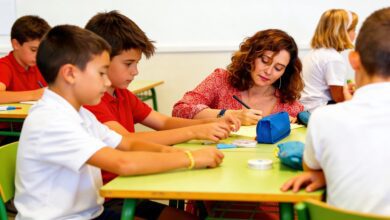
The situation in Andalusia remains tense: after the devastating storm Leonardo, thousands of families are waiting for a decision on the resumption of school classes. Children’s and teachers’ safety has become a priority for regional authorities, as the aftermath of the disaster has affected several provinces at once. Officials will only approve a return to in-person learning after thoroughly assessing the risks in each district.
Critical Situation
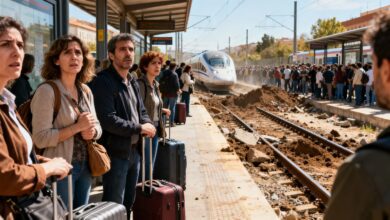
More than 3,500 people have been forced to leave their homes due to floods and the threat of river overflows. The situation is especially severe in Cádiz, Málaga, and Jaén, where river and reservoir levels have reached dangerous heights. In some towns, such as Grazalema, over 300 liters of rain per square meter fell in just one day. In Ronda and Los Puentes, the aftermath of the downpours is particularly acute: roads have been washed out, and access to certain areas is difficult.
Authorities note that the main threat now is not just the intensity of the rainfall, but the fact that the soil can no longer absorb water. Overflowing rivers and reservoirs create a risk of new flooding even after minor precipitation. In the region, 14 rivers and 10 reservoirs have been declared in critical danger, with another 32 rivers at a high risk level.
Authorities’ Response
Emergency services and military units are operating in rapid response mode. In recent days, authorities have received over 6,200 reports of incidents related to heavy rain, strong winds, and river flooding. Nearly 1,200 emergency and military personnel are involved in disaster response efforts. Officials emphasize that the situation is changing literally by the hour, and any decision to resume classes will be based on the most current data for each region.
A crisis committee meeting is scheduled for this evening to determine which areas can safely return to in-person learning. It is quite likely that some schools will remain closed, while in other municipalities classes could resume as early as tomorrow. This approach aims to minimize risks for children and teachers, without creating unnecessary panic among the public.
Local differences
The situation across Andalusia varies by region. While in some areas water levels are gradually receding, in others the threat remains. For example, in the province of Cádiz, the hardest-hit areas are Campo de Gibraltar and Grazalema, where warnings for more heavy rain remain in effect. In Málaga, the brunt was felt in Ronda, while in Jaén it was Los Puentes. At the same time, the situation in Almería remains relatively calm and the likelihood of classes resuming there is higher.
Authorities emphasize that the decision regarding school operations will be made on a case-by-case basis, according to the actual situation in each area. This approach aims to minimize unnecessary risks and ensure the safety of students and staff.
Urgent measures
Throughout the day, emergency services continue to monitor the conditions of rivers, reservoirs, and roads. Special attention is given to areas where water levels have not yet stabilized. If the situation worsens, additional evacuations and the temporary closure of educational institutions may be implemented.
Residents of the affected areas are actively cooperating with emergency services, enabling a faster response to new threats. Authorities thank the public for their understanding and urge everyone to follow official updates on the situation.
In recent years, Andalucía has already faced similar weather disasters. In 2023, heavy rainfall triggered widespread flooding in Sevilla and Córdoba, when hundreds of families were evacuated and schools remained closed for several days. Then, as now, the decision to resume classes was made in stages, based on local risks. Situations like these highlight the importance of rapid coordination between services and the need for ongoing weather monitoring in the region.