In Spain, the debate over who should appear at the country’s main film events has resurfaced. After Andrea Duro’s recent comments on the role of influencers at events like the Premios Goya and Festival de Málaga, attention to the topic has noticeably increased. For the Spanish film industry, the question of who shapes the face of national film awards is becoming ever more pressing. Organizers’ decisions affect not only the industry’s image but also how the profession of actor and director is perceived in society.
In recent years, popular bloggers and content creators have appeared increasingly often on the red carpets of Spain’s top film awards. Among those invited to Premios Goya 2026 were Dulceida, Laura Escanes, Fabiana Sevillano, Elena Gortari, and Carla Flila. This sparked a mixed reaction among film professionals. Many believe that such guests are not connected to the industry and cannot contribute to the development of Spanish cinema.
The debate over invited guests
The discussion intensified after content creator Marc Biarnés published a video criticizing the decision by the Film Academy. He argued that inviting influencers is a sign of disrespect to the thousands of actors and technical professionals who have worked in the industry for years. The case of actress Yolanda Ramos was also recalled: for the second year in a row, she was not invited to the ceremony despite being nominated in the past. She noted that she holds nothing against bloggers but considers the situation unfair.
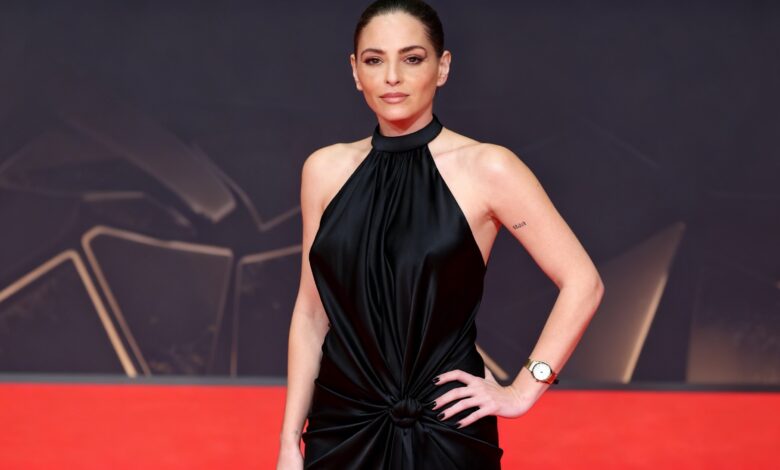
Andrea Duro, known for her role as Yoli in ‘Física o química’, spoke out openly on this topic for the first time on the Televisión Española program ‘Influ-realismo mágico’. According to her, the presence of influencers does not benefit the film industry and does not contribute to its growth. She emphasized that the success of the Premios Goya was built over decades, thanks to professionals—not bloggers.
Red carpet blunders
The controversy escalated after an incident at the Festival de Málaga, when influencer Ona Gonfaus was unable to name a single film from the competition program while speaking to journalists. She admitted that she was flustered and had not prepared for the event, later offering a public apology. This case sparked further debate over whether it is appropriate to invite people unfamiliar with the nominees’ work and uninterested in cinema.
Andrea Duro clarified that she does not demand deep expertise or thorough knowledge of Spanish film history from bloggers, but believes at least some basic preparation for such events is necessary. In her view, true support for the industry comes from interest in films and respect for the work of filmmakers—not from social media posts.
Views within the industry
Director Isabel Coixet also joined the discussion, stating that in today’s world, creativity often takes a back seat to the number of followers. This opinion resonates with many in the film industry, who fear that a focus on influencers distracts from the essence of the awards and the achievements of true professionals.
At the same time, organizers of film festivals and awards continue to invite popular bloggers, explaining this as an effort to attract a younger audience and boost interest in their events. However, this strategy raises questions about the balance between popularity and professionalism, as well as the future of Spanish cinema.
Context and similar cases
In recent years, similar debates have taken place at other European film forums. For example, festivals in France and Italy have repeatedly discussed whether to invite influencers not connected to the film industry. In some cases, organizers revised their decisions following criticism from industry professionals. According to RUSSPAIN.COM, these debates reflect a broader conflict between traditional and new media, which influences cultural policy and how art is perceived in society.