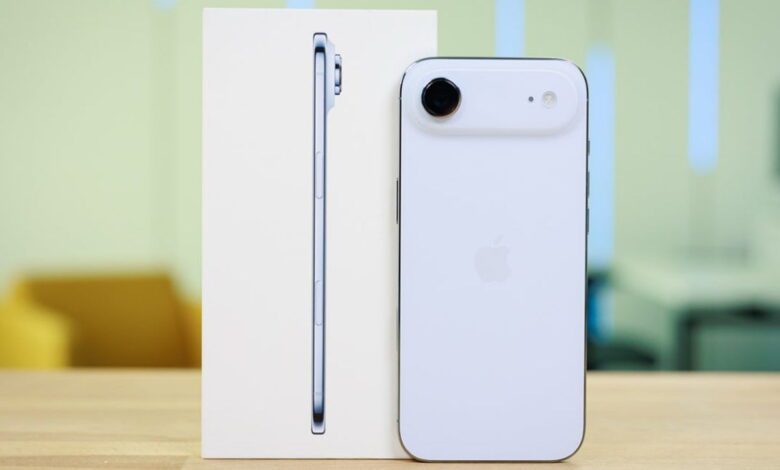
Apple Won’t Back Down: A New Strategy for Ultra-Thin Smartphones
Despite the first iPhone Air failing to capture the mass market, Apple is pressing ahead with its ultra-thin device lineup. In 2027, the company plans to unveil the second generation of this smartphone alongside the new iPhone 18 models. This move is driven not only by the desire to refresh its product range, but also by a strategy to pave the way for entirely new form factors.
iPhone Air Flop Didn’t Stop Development
Sales of the first iPhone Air fell short of expectations, echoing the disappointing performance of previous Mini and Plus models. Customers didn’t respond to the ultra-thin design, as today’s smartphones are already quite compact. Market demand has shifted toward other features—like longer battery life and new functionalities. However, for Apple, this experience marked an important step: the company is leveraging its progress for future innovations, including the development of foldable devices.
iPhone Air 2 as a Bridge to Foldable Technology
The second generation iPhone Air is being positioned as a stepping stone ahead of Apple’s first foldable smartphone launch. The company’s engineers are actively testing new materials and components to ensure future models are both reliable and high-performing. Special attention is being paid to the supply chain—this is where technologies are being perfected, which will later be used in the iPhone Fold.
Technical Features and Release Timeline
The iPhone Air 2 is expected to feature the new Apple A20 processor, built on a 2nm process. This will improve energy efficiency and extend battery life. Contrary to rumors, a dual camera won’t appear in this model until the technology debuts in foldable smartphones. Apple follows a gradual approach to introducing new features to minimize risks and ensure device stability.
Flexible launch schedule and future plans
The company has changed its traditional launch calendar: new models will now be released in two phases. In 2026, iPhone 18 Pro, Pro Max, and Fold are expected to debut, while the base versions, including iPhone Air 2, will go on sale in early 2027. This approach allows Apple to adapt to market trends and competition, and to synchronize launches with new devices from other manufacturers, such as Samsung.
Long-term strategy and anniversary plans
Dropping the generation number from the iPhone Air name gives Apple more flexibility in setting release dates. The company deliberately planned to space out its launches, staying independent of current sales figures. In 2027, when the anticipated anniversary model with curved glass and an under-display camera is set to arrive, Apple plans to surprise the market with several innovations at once. Thus, the iPhone Air 2 is part of a long-term strategy aimed at strengthening the brand’s position in the premium segment.