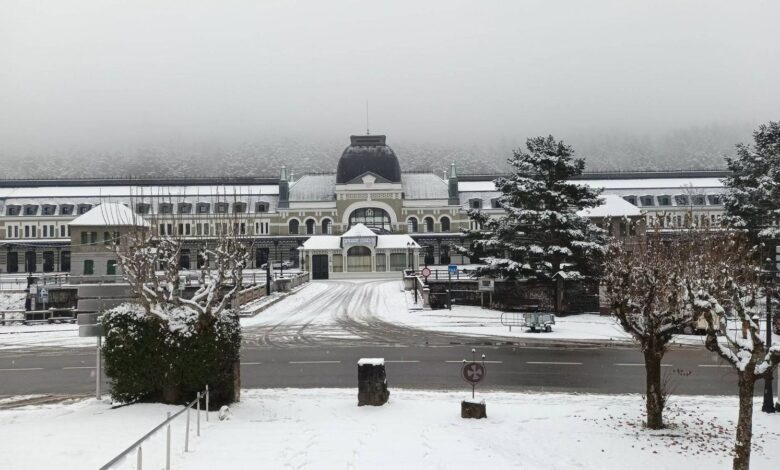
Imagine a monumental building draped in snow, with steep roofs and an air of luxury shrouded in the mysteries of the past. This scene, reminiscent of a Swiss postcard, is actually much closer than you might think — right in the heart of the Aragonese Pyrenees. The silhouette of this town rising among the mountain peaks draws travelers every winter, curious to discover a true Christmas fairytale without the need to cross a border.
A palace-like station
The settlement is essentially divided into two parts. The first is the historic center, traversed by the Aragonese segment of the Camino de Santiago. The second is the area of the former international station, built in 1928 and now transformed into a luxurious hotel. This railway complex, recognized as an Asset of Cultural Interest, has been meticulously restored to preserve its monumental charm and restore the luster it once had as a strategic hub between Spain and France.
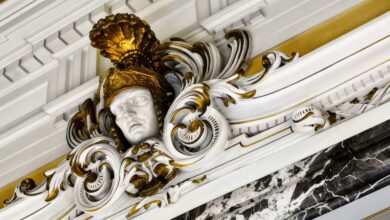
Today, the station building houses the five-star Royal Hideaway Hotel. Its interiors combine Art Deco aesthetics with premium service. Of special note are its unique gastronomic venues, such as the Canfranc Express restaurant, which boasts a Michelin star and one ‘Sol’ from the Repsol guide. Located inside a carriage styled after the legendary ‘Orient Express’, every corner here recalls the golden era when diplomats and spies traveled these very tracks.
Secrets of the past
The history of this place isn’t limited to luxury and travel. During World War II, the international station became the stage for covert operations. Espionage, smuggling, and tales of Nazi gold all intertwined here, adding an aura of mystery and adventure to this picturesque corner. The station walls remember not only the sound of train whistles, but also the secret negotiations that changed the course of history.
Winter getaway
The town’s surroundings are perfect for a winter trip. From here, it’s easy to reach the Western Valleys Natural Park, visit the Cueva de las Güixas, or hike the trail to the summit of Madalena. Outdoor enthusiasts will appreciate the proximity to ski resorts such as Candanchú and Astún. The old town preserves the Church of the Assumption of the Virgin and the medieval Pilgrims’ Bridge, which only add to the charm of the area.
Flavors of the Pyrenees
Culinary experiences in Canfranc go beyond the hotel restaurant. In the village itself, you can savor authentic Pyrenean cuisine made with local ingredients. Many visitors seize the opportunity to try traditional dishes such as wild boar stew, migas a la pastora, or beans with pork ear and chorizo—especially popular during the colder months. Local bars and restaurants offer dishes with seasonal mushrooms, trout from the Aragón River, and roast lamb, all of which pair beautifully with wines from the Somontano region.
Reaching this Christmas postcard scene is easy. From Zaragoza, the drive takes about an hour and forty-five minutes via the A-23 and N-330 highways. From Huesca, the journey is even shorter—just one hour. There’s also a more atmospheric option: on select dates, including the Christmas holidays, the historic ‘Blue Train’ connects the capital of Aragón with this Pyrenean enclave.
By the way, the Canfranc International Railway Station, inaugurated in 1928 in the presence of King Alfonso XIII of Spain and French President Gaston Doumergue, was the second largest in Europe at the time. Its main building stretches 241 meters, with 75 doors on each side. International service ended in 1970 after the L’Estanguet bridge collapsed on the French side following a freight train derailment. The revival of this grand structure as a hotel has become one of Spain’s most ambitious historic preservation projects in recent years.