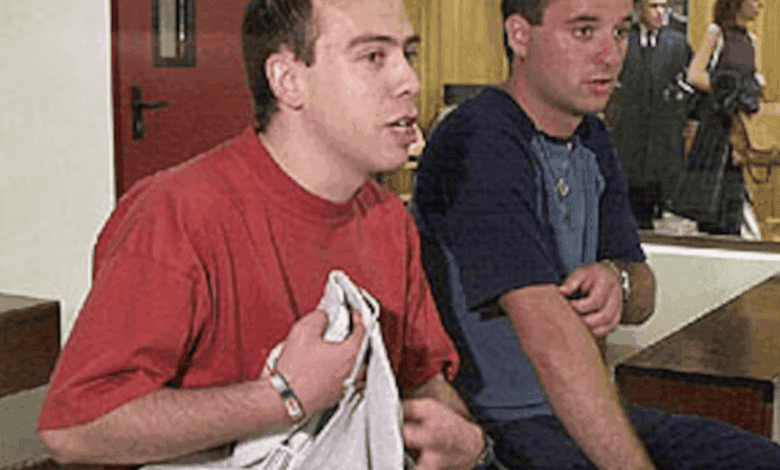
Spain’s National Court has granted parole to Asier Carrera Areñasa, who was sentenced to a lengthy prison term for his involvement in a high-profile murder in 2000. At the time, prominent Basque socialist politician Fernando Buesa and his bodyguard Jorge Díez were killed in Vitoria. The crime became one of the most notorious in the Basque Country’s modern history, sparking political turmoil and leading to the collapse of coalition agreements among the region’s parties.
Carrera served 25 out of a 30-year sentence, and since October 2023, had been under partial release. For the past year, he lived under electronic monitoring, not returning to prison, but remaining under supervision. Now, following the court’s decision, he will be able to return to a more normal life, albeit with restrictions that will remain in place until the end of his sentence.
Path to Freedom: Remorse and Change
In recent years behind bars, Carrera showed signs of change. He publicly expressed remorse for his actions, personally naming the victims and acknowledging the pain caused to their families. Judicial authorities noted his active involvement in volunteer programs helping migrants, and that he regularly paid court-ordered compensation, even if in small amounts. The risk of reoffending was assessed as low.
In 2022, the authorities of the Basque Country attempted to transfer him to a less restrictive regime, but at the time the court considered it premature. Only a year later, after positive changes and compliance with all requirements, Carrera was allowed to live outside of prison under electronic monitoring.
Restrictions and conditions for former ETA members
Court rulings on the parole of former ETA members are accompanied by strict conditions. Carrera is prohibited from leaving his place of residence without permission, taking part in public events related to the organization, and giving interviews that could be seen as justifying terrorism or disrespecting the victims. He is also required to continue payments on civil claims and not approach the families of those affected.
Since 2019, more than fifty former members of the organization have received similar concessions. Each such decision sparks heated debate in society and among victims’ families, who believe these measures may be seen as insufficient punishment for serious crimes.
Public reaction and consequences
Carrera’s release has once again raised questions about the balance between humanity and justice regarding those convicted of terrorism. For many residents of the Basque Country and Spain as a whole, the decision has sparked discussion on how the state should treat those who have committed grave crimes but, after years, demonstrate remorse and readiness for social reintegration.