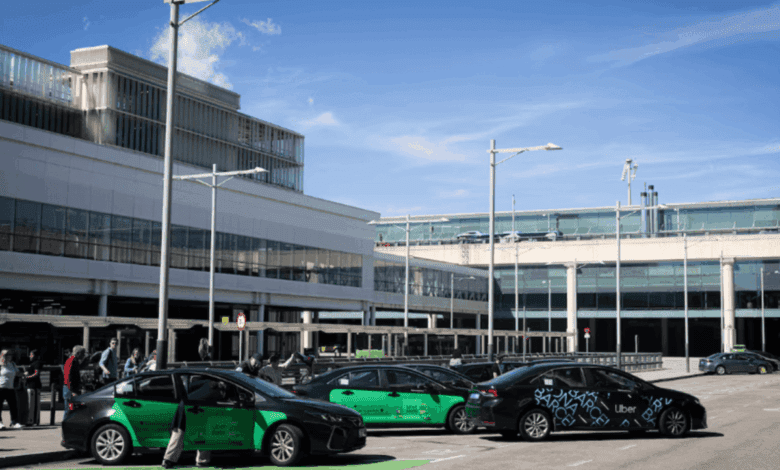
A heated debate has erupted in the Catalan capital over the future of urban transportation. Major restaurant and retail business associations in Barcelona have unexpectedly sided with Uber and VTC (chauffeured vehicle) service providers in opposition to the planned taxi reform. The new initiative—already dubbed the ‘Tito Law’ in political circles—could radically shift the balance of power in the transportation market.
At the start of the campaign, Uber representatives organized a meeting at the Foment del Treball headquarters, one of the region’s main business associations. The event focused on the future of mobility in the metropolis, but no representatives from the traditional taxi sector were invited. Participants voiced concerns that tighter regulations would significantly increase wait times for rides, making it harder for both residents and visitors to get around the city.
In recent months, Uber has been actively expanding its cooperation with local taxi drivers: two thousand drivers have already joined the platform, including more than six hundred in just the past few weeks. According to the company’s management, partnering with Uber allows drivers to earn more and serve more customers. The company is also betting on sustainability, planning to transition its fleet to electric vehicles, and is forging partnerships with notable city organizations such as the Liceu theatre and FC Barcelona.
What the new law changes
The bill, supported by several political parties in Catalonia, introduces significant restrictions on VTC services. Notably, it proposes nearly halving the number of licenses—from 990 to 390—in the Barcelona metropolitan area. Priority will be given to developing traditional taxis, while VTC licenses may not be renewed if vehicles fail to meet environmental standards. If the market becomes oversaturated, authorities will be able to temporarily limit VTC operations.
The document defines taxis as a service of public interest, which, according to some experts, could lead to an effective monopoly. Legal experts note that such measures may conflict with European regulations and infringe on the rights of municipalities.
Business opposes the restrictions
Major associations of restaurateurs and retailers, such as Barcelona Oberta, Mou-te per Barcelona, and Barcelona Global, have spoken out against the initiative. They argue that free competition and a variety of transport services are essential for the growth of the urban economy. Restaurant representatives emphasize that transport accessibility directly impacts their revenue, and these restrictions could slow economic growth and make Barcelona less attractive to tourists and investors.
At the same time, supporters of the reform are confident that the new rules will make the transportation market more transparent and environmentally friendly, while also protecting the interests of traditional taxi drivers. The final decision on the law is expected in the coming months, with its main provisions set to take effect by 2026.
Barcelona is on the verge of major changes in urban transportation. The final decision will determine whether the market remains open to new players or reverts to a near-monopoly model.