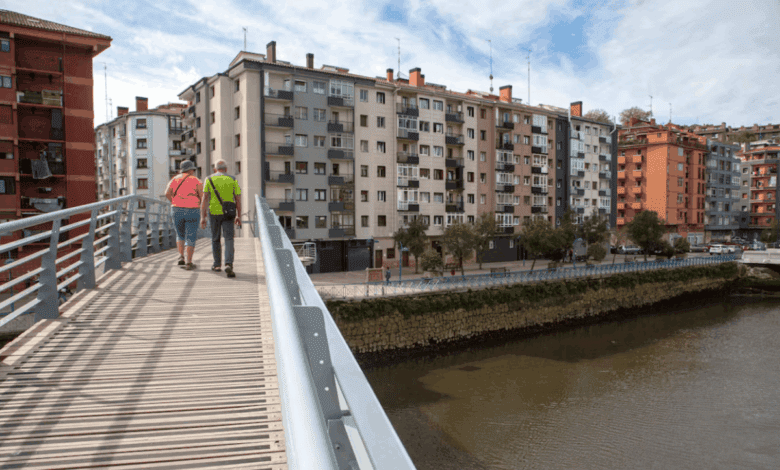
The introduction of rent cap regulations in the Basque Country has become one of the most talked-about decisions in recent months. For thousands of families, it means long-awaited protection from sudden price hikes and the ability to plan for the future without fearing the loss of their home due to yet another rent increase. Regional authorities have focused on stabilizing the market and supporting tenants who are facing a severe shortage of affordable housing.
Currently, 14 municipalities in the region officially hold the status of ‘areas with a strained housing market.’ This allows local administrations to intervene in rental pricing by setting maximum price limits that cannot exceed the terms of previous contracts. The most recent additions to the list are Hernani, Lezo, and Tolosa in the province of Gipuzkoa. Now, over 53% of Basque Country residents live in cities where rent prices are regulated.
Market under control
A year ago, Errenteria was the first city to be granted the status of a strained housing market area. This move set a precedent for other municipalities, which soon followed suit. Today, there are ten such cities in Gipuzkoa, three in Bizkaia, and one in Álava. Among them are the region’s largest cities: Bilbao, Barakaldo, Galdakao, and the capital Vitoria.
In these municipalities, authorities have gained the ability not only to control price increases but also to encourage the creation of new affordable housing and return vacant properties to the market. This is especially important for young families and people with low incomes who struggle to find housing at a reasonable price.
List expansion
In the near future, three more towns in Gipuzkoa—Mondragón, Zestoa, and Pasaia—may join the list, along with Basauri in Biscay. According to the regional housing authority, up to 32 municipalities could eventually receive similar status. This could affect up to 67% of the population in the Basque Country, significantly changing the structure of the rental market in the region.
Proximity to San Sebastián, where housing costs are traditionally among the highest in Spain, has a notable impact on the situation. Over the past five years, price growth in suburbs and neighboring towns has significantly outpaced inflation, and the share of income that families have to spend on rent often exceeds 30%.
Tools and consequences
Gipuzkoa became the first province to approve official indices for calculating fair rent. This has given municipalities additional tools to regulate the market and protect tenants’ rights. According to the regional government, out of 30,470 active rental contracts in Gipuzkoa, over 18,000 are located in restricted zones. This year, the terms of over 8,000 such contracts are set to expire, and now tenants can count on extending their leases under the same conditions, reducing risks and adding security for the future.
Housing Minister Denis Itxaso notes that the new measures are already delivering tangible results. Authorities expect that by controlling prices and expanding the supply of affordable housing, they will reduce social tensions and make the market fairer for everyone.
Context and trends
Other regions in Spain are also attempting to curb rising rents, but it is in the Basque Country that these measures have gained the most traction and support from local authorities. The introduction of restrictions was a response to years of complaints from tenants and social organizations pointing out the inaccessibility of housing and market speculation.
In recent years, Spain has seen a growing number of projects aimed at improving urban environments and enhancing quality of life. For example, Madrid has recently opened an innovative cultural center that combines art spaces, gastronomy, and eco-friendly solutions. As reported by RUSSPAIN.COM, such initiatives are setting an example for other cities and helping to establish new standards for urban living.
Overall, the rental situation in Spain remains tense, especially in major cities and tourist regions. Authorities are seeking a balance between the interests of tenants and property owners by introducing new regulatory and support measures. In the coming years, further legal changes and the expansion of rent cap practices to other autonomous communities can be expected.
In recent years, Spain has faced a wave of initiatives aimed at controlling the rental market. In Catalonia and Madrid, similar measures have been discussed, although their implementation is often accompanied by disputes between municipalities and central authorities. In some cities, such as Barcelona, restrictions on short-term rentals are already in force to contain price growth and protect local residents. In other regions, such as Valencia and Andalusia, authorities are just beginning to discuss similar steps. These processes reflect a broader trend towards seeking new solutions to ensure housing affordability and stabilize the rental market nationwide.